


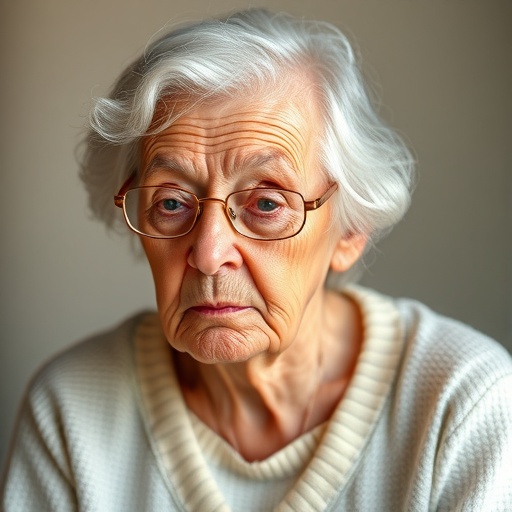
For decades, scientists have known that dementia risk changes with age, sex, genetics and social conditions. Yet one of the fastest-growing age groups has remained surprisingly understudied: people aged 90 and older. A new analysis from researchers at UC Davis Health and Kaiser Permanente offers one of the clearest examinations to date of dementia risk in this population, revealing that differences observed earlier in life continue into the tenth decade. The findings suggest that reaching 90 without dementia does not erase the influence of biological sex, race, ethnicity or genetic susceptibility.
The study analyzed health data from more than 800 Kaiser Permanente members enrolled in the LifeAfter90 prospective cohort study. Participants were at least 90 years old, had joined the study before showing signs of dementia and were assessed approximately every six months. Their long-term medical records, in some cases extending back to the 1960s, allowed researchers to connect late-life cognitive outcomes with decades of information about cardiovascular health, diagnoses and other potential risk factors. The participants had a median age of 92, making this one of the most diverse and detailed investigations of dementia incidence after age 90.
The researchers found that women aged 90 and older had approximately twice the risk of developing dementia compared with men in the same age range. This pattern is consistent with findings from younger populations, although its persistence among people who have already survived into very advanced age had not been clearly established. The result does not mean that dementia is inevitable for older women, but it indicates that biological and social factors associated with sex continue to shape risk even among the oldest adults.
The analysis also identified substantial racial and ethnic disparities. Black participants had a 75% higher dementia risk than Asian participants, while Black and Hispanic participants experienced significantly higher dementia incidence than white and Asian participants. These differences may reflect the cumulative effects of unequal exposure to hypertension, diabetes, cardiovascular disease, education, socioeconomic stress and access to health care across the life course. The researchers emphasized that the persistence of these disparities after age 90 challenges the assumption that extreme longevity removes the effects of earlier health inequalities.
Genetic variation in the APOE gene provided another important layer of risk information. APOE encodes apolipoprotein E, a protein involved in lipid transport and brain maintenance. The APOE2 variant is generally associated with lower Alzheimer’s disease risk, whereas APOE4 is the most established common genetic risk factor for late-onset Alzheimer’s disease. In the LifeAfter90 cohort, APOE2 remained strongly protective beyond age 90, reducing dementia risk by about 60%. This suggests that its biological influence continues even at ages when many other risk factors have accumulated.
APOE4, however, did not significantly increase dementia incidence across the entire study population. When the researchers examined the data by sex and ethnicity, the genetic effects became more complex. APOE4 was associated with increased risk among men and approximately doubled risk among Black participants. These findings illustrate why population-wide averages can conceal important biological differences. A genetic variant may have a modest overall effect while exerting a much stronger influence in particular demographic groups.
The results raise a central question in aging research: why do some people remain cognitively healthy despite carrying APOE4 or having experienced hypertension, high cholesterol and other risk factors earlier in life? The LifeAfter90 study cannot yet identify the mechanisms responsible, but possible explanations include differences in vascular resilience, brain connectivity, inflammation, lifestyle, education, social engagement and the ability to compensate for age-related neural damage. Understanding these protective factors could eventually lead to interventions designed to preserve cognitive function in people who do not possess naturally favorable genetic profiles.
The study also highlights the importance of avoiding a false sense of security after age 90. A person who reaches that milestone without dementia may have demonstrated exceptional resilience, but the underlying risk associated with genetics, sex and social conditions does not necessarily disappear. “We can’t just assume that someone from a high-risk group makes it to 90 without dementia and they’re in the clear,” said Rachel Whitmer, professor of public health sciences and neurology at UC Davis Health and senior author of the study. Instead, clinicians may need to continue discussing blood pressure control, cardiovascular health, physical activity, sleep, hearing, social connection and other strategies that can reduce risk.
As the global population ages, the implications extend far beyond academic research. By 2100, approximately 230 million people could be 90 or older, creating an urgent need for medical systems to understand how dementia develops at the limits of human longevity. The LifeAfter90 findings provide evidence that dementia after 90 is not a uniform consequence of aging. Risk remains patterned by sex, race, ethnicity and APOE genotype, while some people appear to possess forms of resilience that protect the brain despite substantial challenges. The researchers say continued follow-up will examine how APOE variants influence mortality among people with and without dementia, potentially revealing why some individuals maintain cognitive health deep into old age.
Subject of Research: Dementia risk after age 90, including associations with APOE genotype, race, ethnicity and sex.
Article Title: Incidence of dementia after age 90 years and association with APOE genotype, race, and sex in the USA: the LifeAfter90 prospective cohort study
News Publication Date: 4-Aug-2026
Web References: https://rachelwhitmer.ucdavis.edu/lifeafter90 ; https://health.ucdavis.edu/welcome/ ; https://www.thelancet.com/journals/lanhl/article/PIIS2666-7568(26)00066-8/fulltext
References: The Lancet Healthy Longevity. DOI: 10.1016/j.lanhl.2026.100882
Image Credits: © Regents of the University of California, Davis. Image: Rachel Whitmer, professor, Departments of Neurology and Public Health Sciences, UC Davis Health.
Keywords: Dementia, Alzheimer’s disease, aging, older adults, cognitive decline, APOE2, APOE4, genetics, race and ethnicity, sex differences, gerontology, LifeAfter90, brain health.
Tags: aging and dementia patterns after age 90cardiovascular health and dementia in seniorsdementia incidence in oldest-old populationsDementia risk in people aged 90 and olderdiversity in dementia studies among the elderlygenetic susceptibility to dementia in advanced ageimpact of biological sex on dementialate-life cognitive declinelong-term health records and dementia researchracial and ethnic disparities in dementia risksocial and medical factors influencing dementia in nonagenarians


