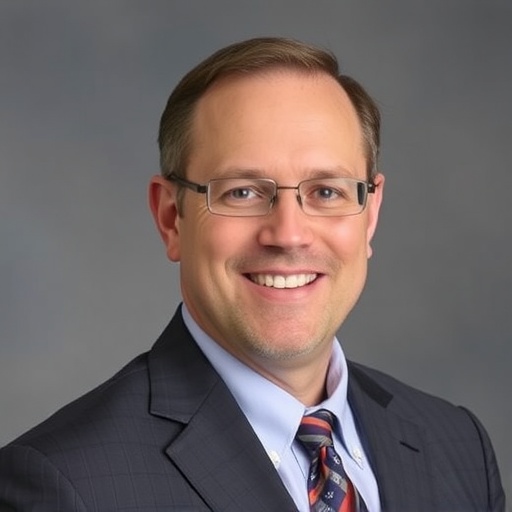
BOSTON, Massachusetts—August 14, 2026—Jim Flynn, managing partner of Deerfield, will be a featured speaker at the 13th Aging Research & Drug Discovery Meeting, an event that organizers say will bring the expanding longevity field into closer contact with the institutions capable of turning biological discoveries into medicines. The conference, known as ARDD 2026, is scheduled for October 1–3 at the David Rubenstein Treehouse at Harvard University. Its organizers describe the meeting as a global forum where researchers studying the biology of aging will meet clinical investigators, pharmaceutical companies, biotechnology executives, entrepreneurs, and investors. Flynn’s participation is significant because Deerfield operates at the intersection of biomedical science, therapeutic development, and healthcare investment, making his perspective particularly relevant as aging research moves from academic laboratories toward commercial drug pipelines.
The meeting arrives at a moment when longevity science is being reshaped by a more technical and clinically oriented understanding of aging. Rather than treating aging as a single disease, researchers increasingly describe it as a network of interacting biological processes, including genomic instability, cellular senescence, mitochondrial dysfunction, chronic inflammation, altered nutrient sensing, loss of regenerative capacity, and changes in intercellular communication. These processes can influence one another over decades, contributing to the gradual decline of multiple organ systems and increasing the risk of cancer, cardiovascular disease, neurodegeneration, diabetes, and frailty. The therapeutic challenge is therefore not simply to identify one “anti-aging” compound, but to determine which mechanisms can be safely modified in humans and whether doing so can delay or prevent several age-related diseases at once.
Vadim Gladyshev, executive chair of ARDD and a professor of medicine at Harvard University, said the biology of aging has become one of the most promising frontiers in biomedical science. He emphasized that the field must connect fundamental discoveries with interventions capable of improving healthspan, the period of life spent in relatively good health. That distinction is central to modern geroscience. Extending lifespan without preserving physical function, cognition, independence, and resilience would not meet the field’s broader medical goals. Researchers are consequently developing biomarkers intended to measure biological aging more precisely than chronological age alone. These include molecular signatures based on DNA methylation, inflammatory proteins, immune-cell states, metabolic profiles, and other physiological measurements that may help determine whether an intervention is changing the underlying rate of decline.
ARDD 2026 is expected to focus heavily on the translation of these concepts into drug discovery and clinical development. Translational research requires more than demonstrating that a molecular pathway changes with age in laboratory animals. Scientists must establish whether the pathway is causally involved in human disease, identify a druggable target, design a selective and tolerable compound, and develop clinical endpoints that can reveal meaningful benefits within a practical trial period. This is particularly difficult in aging research because healthy aging is a long-term outcome, while conventional clinical studies often last only months or a few years. Investigators are therefore exploring composite measures such as frailty, mobility, immune resilience, multimorbidity, and the incidence of several age-related conditions, alongside molecular biomarkers that could provide earlier evidence of biological activity.
The organizers say presenters will include leaders from ten of the world’s largest pharmaceutical companies, as well as academic scientists and biotechnology innovators. Their participation reflects a growing belief that longevity biology may become a foundation for a new class of preventive and disease-modifying therapies. Several strategies are being pursued across the field. Senolytic drugs are designed to remove senescent cells, which stop dividing but can release inflammatory factors that damage surrounding tissues. Drugs aimed at nutrient-sensing pathways seek to influence systems such as mTOR, insulin and insulin-like growth factor signaling, and sirtuin-related metabolism. Other programs focus on mitochondrial quality control, epigenetic regulation, immune aging, regenerative biology, or the replacement of damaged cells and tissues. Each approach carries different technical risks, and the biological effects may vary substantially between organs, disease states, and stages of life.
Morten Scheibye-Knudsen, co-chair of ARDD and an associate professor at the University of Copenhagen, said the conference’s move to Boston represents a new chapter for the event. Boston and the neighboring Cambridge biotechnology corridor contain a dense concentration of universities, hospitals, venture-backed companies, pharmaceutical research centers, and translational institutes. That ecosystem has helped accelerate the movement of discoveries from basic biology into clinical testing, particularly through collaborations that combine molecular biology, computational science, medicinal chemistry, and human studies. In aging research, such proximity may be especially valuable because the field must integrate data from multiple levels, ranging from cellular damage and tissue repair to patient function and long-term disease risk.
The 2026 meeting is being organized by Insilico Medicine and anchored by Tier 1 sponsors Insilico Medicine and Eli Lilly. The McKinsey Health Institute is joining as the sole knowledge partner. Additional listed sponsors include AbbVie, AniVC, AstraZeneca, BioAge Labs, Biocytogen, Cambrian Bio, Cyclarity Therapeutics, Dior, GlycanAge, Gordian Biotechnology, Human Longevity, the Institute for Healthier Living Abu Dhabi, LongeVC, Maxwell Biosciences, Nestlé, Tally Health, and TruDiagnostic. Synaro Capital, The Cat Health Company, and PranaGen Bioscience are supporting the event as Tier 4 sponsors, while Estée Lauder, Morgan Stanley, the Intrinsic Capacity Frailty & Sarcopenia Research Conference for Healthy Longevity, and QuadraScope are listed as Tier 5 sponsors. The breadth of these organizations illustrates how aging biology now reaches beyond traditional drug development into diagnostics, consumer health, nutrition, finance, personal care, and data-driven wellness.
Alex Zhavoronkov, co-chair of ARDD and chief executive officer of Insilico Medicine, said the meeting has served for more than a decade as a platform for dialogue among academia, pharmaceutical companies, startups, and investors. Insilico Medicine has been associated with the use of artificial intelligence in drug discovery, a field that is increasingly influencing how researchers identify targets, design molecules, predict toxicity, and prioritize experiments. In principle, machine-learning systems can analyze large collections of genomic, clinical, imaging, and chemical data to identify patterns that are difficult to detect with conventional methods. However, computational predictions still require experimental validation and carefully designed clinical trials. For longevity biotechnology, artificial intelligence may be most useful when paired with high-quality longitudinal human data, mechanistic laboratory studies, and biomarkers that can distinguish genuine biological improvement from short-term changes in health measurements.
The conference also highlights a continuing debate over how longevity interventions should be evaluated and regulated. A therapy may influence a molecular marker associated with aging without producing a clinically meaningful improvement, while a treatment that improves strength, cognition, or immune response may affect several biological pathways at once. Scientists must therefore determine which outcomes matter most to patients and how to demonstrate that a treatment is beneficial across diverse populations. Safety is equally important. Interfering with cellular survival, immune activity, metabolism, or tissue renewal could have unintended consequences, particularly when therapies are administered to otherwise healthy people for extended periods. The next phase of the field will depend on disciplined target validation, transparent reporting, reproducible biomarkers, and trials designed to measure healthspan rather than relying on broad claims about lifespan.
ARDD 2026 will take place against this backdrop of growing investment and rising expectations. The organizers describe it as the world’s largest meeting dedicated to aging and longevity biotechnology, now entering its 13th year. The Nordic Aging Society, a nonprofit scientific organization focused on the biology of aging and collaboration across the Nordic region and beyond, is supporting the event. By bringing together scientists, clinicians, industry leaders, investors, and policymakers, the meeting aims to address a central question for modern medicine: whether the biological processes that drive aging can be modified safely enough to prevent or delay multiple diseases simultaneously. If the field can answer that question with rigorous human evidence, longevity research could shift from an aspirational scientific idea into a major pillar of preventive healthcare and drug development.
Subject of Research: Aging biology, longevity biotechnology, geroscience, and the translation of aging research into therapeutic development.
Article Title: Jim Flynn to Speak at ARDD 2026 as Longevity Research Moves Toward Therapeutic Development
News Publication Date: August 14, 2026
Web References: https://agingpharma.org; https://mediasvc.eurekalert.org/Api/v1/Multimedia/81f58208-1485-4cb4-89f1-8e7640201428/Rendition/low-res/Content/Public
References: Aging Research & Drug Discovery (ARDD) 2026 announcement; Insilico Medicine; Nordic Aging Society
Image Credits: ARDD 2026
Keywords: aging research, longevity science, geroscience, drug discovery, healthspan, biotechnology, ARDD 2026, Jim Flynn, Deerfield, Insilico Medicine, Harvard University, artificial intelligence, pharmaceutical research
Tags: aging process and age-related diseaseshighlighting the need for integrated therapeutic strategies.