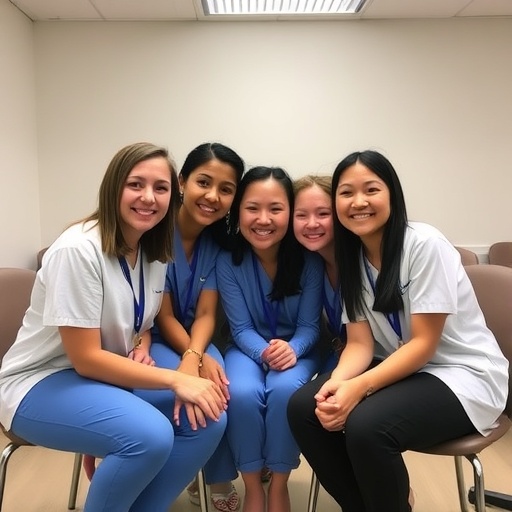
In response to the urgent need for more physicians in key specialties and the evolving landscape of medical education financing, the University of Colorado Anschutz School of Medicine has announced the launch of a pioneering accelerated three-year Doctor of Medicine (MD) program. This innovative program, known as the Peak-to-Peak Pathway, is part of a growing trend among medical schools nationwide that seek to accelerate medical training while alleviating financial burdens on students. The school’s bold step responds directly to two converging pressures: an escalating physician shortage and stringent new federal student loan borrowing limits.
The Peak-to-Peak Pathway is designed to compress the traditional four-year medical curriculum into three years without compromising the educational rigor or clinical competency required for medical licensure. Jennifer Adams, MD, a professor of internal medicine and the associate dean of medical education at the University of Colorado, emphasizes that the core curriculum remains unchanged. Students will experience the full breadth of medical knowledge and clinical training, but certain elective courses and unstructured time—typically used by students to interview for residencies—will be streamlined to facilitate this reduction in program length. The challenge lies in maintaining the delicate balance between training thoroughness and program efficiency.
This accelerated pathway aims to respond specifically to the persistent shortage of physicians within specialties such as pediatrics, infectious diseases, family medicine, and internal medicine, which are critically underserved both in Colorado and nationwide. The Association of American Medical Colleges (AAMC) projects a serious shortage of between 13,500 and 86,000 physicians by 2036, a gap that threatens the sustainability and quality of healthcare delivery. By fast-tracking students committed to these high-need fields, the program seeks to alleviate this looming crisis by producing well-prepared clinicians ready to enter practice earlier than their peers.
Central to the program’s motivation is a recent federal policy change that caps the lifetime limit of student loan borrowing at $257,000. This cap creates a significant barrier for many prospective medical students who have already accumulated undergraduate or graduate debt, effectively pricing out those from disadvantaged socioeconomic backgrounds. Dr. Adams highlights that this policy intensifies the challenge of making medical education accessible and equitable. By decreasing tuition and living expenses through a shorter training duration, the Peak-to-Peak Pathway directly addresses the financial constraints threatening students’ ability to enroll in or complete medical training.
The structure of the Peak-to-Peak Pathway involves enrolling a small cohort—initially eight students—who commit at matriculation to one of five accelerated-track specialties aligned with residency programs across Colorado. These tracks include pediatrics, rural and urban family medicine, urban primary care internal medicine, and internal medicine with a focus on infectious diseases. These pathways are designed to integrate medical education with early clinical exposure and mentorship, aimed at fostering deep specialty commitment and facilitating a seamless transition into residency. Students will bypass the traditional residency match process, securing a residency spot immediately upon graduation.
The elimination of elective time traditionally used for residency interviews and exploratory specialties reflects a strategic shift. By honing in on students who exhibit clear vocational direction from the outset, the program prioritizes depth and specialization over breadth. This intentional design reflects an understanding that prolonged training and exploratory phases, while beneficial in some contexts, can also extend educational timelines and increase costs without guaranteeing a more informed career choice for all students. The streamlined trajectory appeals to those who have already solidified their clinical interests and are eager to enter their chosen fields efficiently.
An important facet of the program is its emphasis on serving Colorado’s diverse and often underserved communities. The selection process aims to attract students who not only express a personal passion for primary care and related specialties but also demonstrate a dedication to practicing in the geographical and demographic areas most affected by physician shortages. By aligning training locations and residency pathways with regional health needs, the program is crafted to produce physicians who are likely to remain in Colorado’s communities post-graduation, addressing both specialty-specific and geographic disparities in healthcare access.
The financial dimension remains a critical driver for this transition. Medical school debt in the United States has escalated to unprecedented levels, often influencing specialty choice and career longevity among graduates. Primary care fields, despite their essential role, generally offer lower remuneration compared to specialized disciplines, pushing some students away from these areas. The Peak-to-Peak Pathway reduces the financial barriers by cutting down one year’s worth of tuition and living expenses, which collectively can amount to significant savings in loan amounts and interest accrued over the years.
Moreover, early engagement with residency programs under the auspices of the Peak-to-Peak Pathway can improve career preparedness and reduce the uncertainty commonly associated with the residency match process. This streamlined entry reduces the administrative and emotional burden on students, who traditionally spend months applying, interviewing, and waiting for match results. Providing a guaranteed residency placement upon completion of the program reduces these stresses and allows students to focus on training and clinical competency development, potentially enhancing the quality of their educational experience.
The program also carries implications for the broader medical education ecosystem. As more schools consider similar accelerated pathways, the traditional four-year medical school model may undergo significant transformation. This could lead to a more diverse set of training models tailored to meet specialty demands and student financial realities. Additionally, an earlier entry into clinical practice may enhance workforce availability but will require careful oversight to ensure that compressed training does not compromise the depth of medical knowledge or clinical skills.
Experts suggest that this model suits students with high levels of motivation and clarity about their career goals, particularly those passionate about serving in primary care and underserved areas. The program underscores the importance of matching educational pathways with the long-term professional aspirations and community commitments of students. This alignment not only benefits the individual learners but also strategically addresses systemic workforce shortages and health equity challenges.
As the Peak-to-Peak Pathway begins enrolling its inaugural class for matriculation in summer 2027, its outcomes will be closely observed by medical education stakeholders across the country. Success could inspire replication and innovation in training models, while challenges encountered will offer valuable lessons in curriculum design, student selection, and integration with graduate medical education. Ultimately, this initiative exemplifies how academic medicine can adapt creatively and responsively to meet contemporary challenges in healthcare workforce development and financing.
The University of Colorado’s pioneering effort offers a tangible pathway toward reconciling the competing demands of educational quality, affordability, and workforce needs. It is a concrete example of how institutions can rethink traditional paradigms to better align medical training with the evolving realities of healthcare delivery and student circumstances. This program may well set a precedent that reshapes the future of medical education across the United States.
Subject of Research: Medical education innovation and physician workforce development
Article Title: University of Colorado Launches Accelerated Three-Year MD Program to Tackle Physician Shortages and Student Debt
News Publication Date: 2024
Web References:
– University of Colorado Anschutz School of Medicine Peak-to-Peak Pathway: https://medschool.cuanschutz.edu/education/programs/peak-to-peak-pathway
– Association of American Medical Colleges Physician Shortage Report: https://www.aamc.org/media/75231/download?attachment
References: None provided within the article
Image Credits: None provided
Keywords: Accelerated medical education, physician shortage, student loan debt, primary care, university of Colorado Anschutz, Peak-to-Peak Pathway, medical residency, internal medicine, pediatrics, infectious diseases
Tags: accelerated three-year MD programclinical competency in accelerated programsfederal student loan limits impactinternal medicine education reformmedical education innovationmedical residency interview streamliningmedical school curriculum compressionmedical student financial burden reductionPeak-to-Peak Pathwayphysician shortage solutionsreducing medical training costsUniversity of Colorado Anschutz