


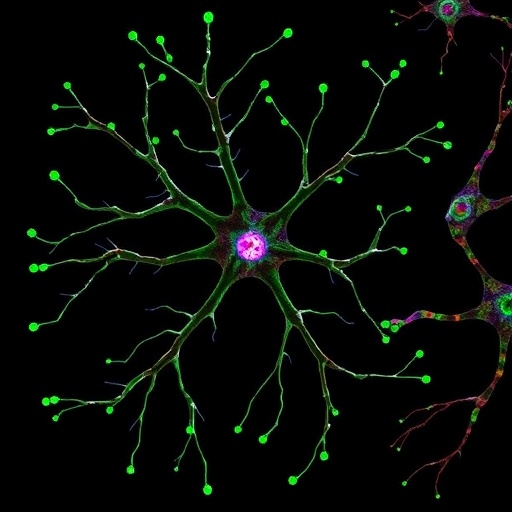
In a groundbreaking study published in Nature Neuroscience, researchers have unveiled new insights into the genetic underpinnings of neurodevelopmental disorders (NDDs) by utilizing cutting-edge CRISPR-Cas9 technology. Neurodevelopmental disorders, which encompass a wide spectrum of conditions arising from disrupted brain development, remain largely enigmatic in terms of their molecular and cellular bases. This study leverages genome-wide CRISPR knockout screens in mouse embryonic stem cells as they differentiate into neural lineages, systematically identifying hundreds of genes essential for normal neuronal differentiation. The implications of these findings are profound, offering a refined genetic framework that not only adds depth to our understanding of brain development but also implicates previously unrecognized genes in the pathogenesis of NDDs.
Neurodevelopment is an intricate process orchestrated by a complex interplay of genetic and environmental factors, yet pinpointing the precise molecular contributors to disorders such as microcephaly, intellectual disability, and autism spectrum disorders has proven challenging. The researchers approached this challenge by introducing CRISPR-Cas9-mediated gene knockouts across the genome in pluripotent stem cells induced to differentiate into neurons. This high-throughput functional genomics platform enabled an unprecedented interrogation of gene function during critical windows of neuronal lineage commitment and maturation, thereby revealing which genes are indispensable at various stages of neural development.
What emerged from the screen was a long list of essential genes, spanning a wide array of biological processes. Intriguingly, the vast majority of these genes had not been previously linked to human NDDs, highlighting significant gaps in the current genetic landscape associated with brain developmental anomalies. The study further stratified these essential genes based on patterns of inheritance seen in NDDs. Dominant disease-associated genes were enriched in transcriptional regulators—genes that modulate the expression of numerous downstream targets central to neuronal fate decisions. In contrast, recessive NDD genes were predominantly implicated in metabolic pathways, underscoring the diverse biological routes that can culminate in neurodevelopmental pathology.
To experimentally validate the functional relevance of their screen, the authors generated mouse knockout models for eight candidate genes identified as essential in neural differentiation: Eml1, Dusp26, Dynlrb2, Mta3, Peds1, Sgms1, Slitrk4, and Vamp3. These mouse models displayed profound neuroanatomical abnormalities, including microcephaly—a condition characterized by reduced brain size—that served as a phenotypic hallmark for half the knockout lines. These in vivo phenotypes provided compelling evidence that disruption of these genes perturbs neural development at the organismal level, reinforcing the potential clinical relevance of these findings.
Among the standout discoveries was the identification of PEDS1, a critical enzyme involved in plasmalogen biosynthesis, a lipid pathway essential for membrane integrity and signaling in neurons. Loss-of-function mutations in PEDS1 have hitherto not been associated with neurodevelopmental disorders, yet this study uncovered a bi-allelic variant in individuals exhibiting classical features of NDDs, including microcephaly, global developmental delay, and congenital cataracts. This crucial link between PEDS1 mutations and human disease exemplifies the translational power of the CRISPR screening approach combined with patient genetic analyses.
Delving deeper into the role of PEDS1, the study analyzed its deficiency in the mouse model, revealing accelerated cell-cycle exit among neural progenitors, a phenomenon that prematurely halts proliferation. This accelerated exit compromises the pool of progenitor cells available for proper neuronal differentiation and migration, ultimately yielding profound defects in brain architecture. These findings underscore the importance of precise regulation of the cell cycle and lipid metabolism during brain development—a complex choreography disrupted in PEDS1 deficiency.
The role of plasmalogens, as dictated by PEDS1 activity, extends beyond structural functions to critical signaling pathways. Plasmalogens have been implicated in antioxidative defense, membrane fusion, and cell signaling cascades—all vital for neural progenitor viability and differentiation. The newfound involvement of PEDS1 extends the functional repertoire of lipid metabolism in neurodevelopment, suggesting that metabolic dysregulation may be an underappreciated driver of neurological disease.
This work also sheds light on the broader spectrum of molecular pathways essential for neurodevelopment. By categorizing genes according to their functional annotations, the study highlights distinct clusters of gene functions—transcriptional regulation, metabolic processing, cytoskeletal organization, and vesicular trafficking—that coalesce in coordinated networks to guide neuronal differentiation. Many of these networks remain unexplored in the context of human diseases, presenting a fertile ground for future research.
This integrative approach—merging CRISPR functional genomics, mouse genetics, and human patient data—sets a new benchmark for discovery in neurodevelopmental biology. Notably, the identification of PEDS1 as a disease gene emphasizes the necessity of investigating metabolic enzymes and lipid biosynthesis pathways, areas traditionally underrepresented in neurogenetic studies. Furthermore, the study’s demonstration that disruptions in these pathways lead to distinct anatomical and functional consequences opens new avenues for therapeutic targeting.
The implications of this study extend beyond academic curiosity; they hold promise for improving diagnostic frameworks and patient stratification in clinical genetics. Genetic screening panels for NDDs may soon incorporate these newly identified essential genes, including PEDS1, facilitating earlier diagnosis and potentially guiding interventions tailored to the specific molecular defect. Moreover, understanding the pathways underlying these defects paves the way for the development of novel therapies aimed at modulating cell cycle progression or lipid metabolism in affected individuals.
Considering the complexity of neurodevelopment, where numerous genes often converge on common cellular processes, the study’s findings reinforce the paradigm that both rare and common genetic variants contribute collectively to disease phenotypes. The broad spectrum of essential genes uncovered here also suggests that neurodevelopmental disorders may arise from diverse, yet interconnected mechanisms, reflecting the multifaceted nature of brain development.
Beyond neurogenetics, this research exemplifies the power of functional genomics combined with advanced animal models to illuminate gene function in vivo. The approach employed could be adapted to investigate other developmental processes and diseases, where delineating causative genes remains a critical scientific challenge. The methodology holds particular promise for identifying disease-related genes not apparent through conventional genetic association studies alone.
Critically, while the study reveals numerous candidate genes, it also points to the remaining gaps—the fact that many essential genes have yet to be linked to specific human phenotypes underscores the complexity of translating mouse model findings to clinical practice. Future studies will need to assess the penetrance and expressivity of variants in these genes across diverse populations, along with their interactive effects with environmental factors.
In sum, this research marks a significant leap forward in decoding the genetic architecture of neurodevelopmental disorders. Through the comprehensive interrogation of gene function during neuronal differentiation and corroborative animal studies, the authors have revealed new players and pathways essential for normal brain development. The identification of PEDS1, in particular, heralds a new class of metabolic genes implicated in NDDs, expanding the horizon for diagnosis and therapy.
As neurogenetics continues to evolve, the integration of genome-wide functional approaches with developmental biology and clinical genomics will be pivotal. This study exemplifies the transformative impact of such integration and sets the stage for a new era of precision medicine in neurodevelopmental disorders. The collective insights gleaned here not only enhance our molecular understanding but also ignite hope for affected individuals and families seeking answers and treatments in the face of neurodevelopmental challenges.
Subject of Research: Neurodevelopmental disorders; genetic pathways essential for neuronal differentiation; functional genomics using CRISPR knockout screens in mouse embryonic stem cells; role of PEDS1 in neurodevelopment.
Article Title: CRISPR knockout screens reveal genes and pathways essential for neuronal differentiation and implicate PEDS1 in neurodevelopment.
Article References:
Amelan, A., Collins, S.C., Damseh, N.S. et al. CRISPR knockout screens reveal genes and pathways essential for neuronal differentiation and implicate PEDS1 in neurodevelopment. Nat Neurosci (2026). https://doi.org/10.1038/s41593-025-02165-0
Image Credits: AI Generated
DOI: https://doi.org/10.1038/s41593-025-02165-0
Tags: autism spectrum disorder researchCRISPR-Cas9 technology in neurosciencefunctional genomics in neurobiologygene knockout insights in neurodevelopmentgenetic basis of neurodevelopmental disordersgenome-wide knockout screenshigh-throughput gene function analysisimplications for brain developmentmicrocephaly and intellectual disability geneticsmouse embryonic stem cells researchneurodevelopmental disorder pathogenesisneuronal differentiation gene identification



