


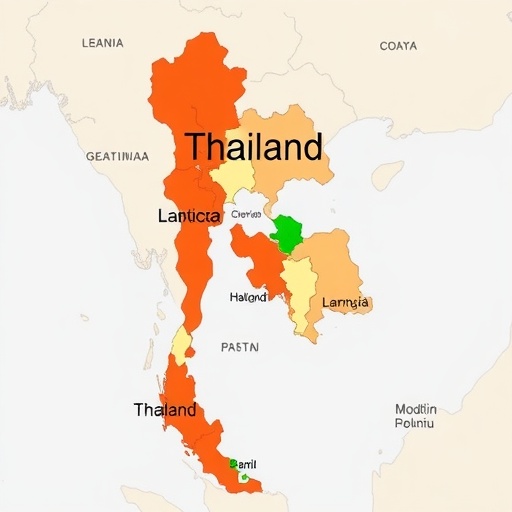
In an ambitious endeavor to enhance public health policy and strategy, researchers in Thailand have recently unveiled the District-level Socioeconomic Deprivation Index, a groundbreaking tool designed to measure socioeconomic deprivation across different districts in the country. This innovative index, rooted in a comprehensive census-based methodology, aims to identify areas most in need of attention and resources, ultimately striving to bridge the gap in health disparities that plague the nation. The implications of this research extend far beyond mere numbers; they touch on the very fabric of healthcare accessibility and quality in Thailand.
By employing an extensive dataset from the national census, the researchers have created a robust framework that encapsulates various indicators of socioeconomic status. The research, spearheaded by a team of esteemed scholars, including Dr. W. Ruamtawee, Dr. M. Tipayamongkholgul, and Dr. K. Bundhamcharoen, delves deep into the complexities of socioeconomic factors that contribute to health outcomes. The index serves as a lens through which policymakers can examine the intricate relationships between economic conditions, healthcare access, and population health.
One of the cornerstone principles behind the development of this index is the recognition that health and socioeconomic status are inextricably linked. The researchers meticulously designed the index to incorporate a multitude of variables, including income levels, education, employment rates, and access to basic amenities. Each of these factors plays a crucial role in determining health outcomes, influencing everything from life expectancy to chronic disease prevalence. By utilizing a census-based approach, the index offers unparalleled precision and reliability, providing a holistic view of socioeconomic deprivation in Thai districts.
In the landscape of public health research, few tools hold the potential for such widespread impact as the District-level Socioeconomic Deprivation Index. By equipping health officials with a clearer understanding of where resources are most desperately needed, this index aims to catalyze targeted interventions that address the underlying causes of health inequities. This proactive approach stands in stark contrast to reactive measures often taken after health crises unfold, emphasizing the importance of preventive action.
Moreover, the implications of this research extend beyond Thailand’s borders. As global health challenges continue to mount, the methodologies employed in this study can serve as a valuable blueprint for similar initiatives in other low- to middle-income countries. The index’s adaptability and cultural relevance may inspire other nations grappling with health disparities to undertake comparable examinations of their socioeconomic landscapes. This potential for international replication underscores the worldwide need for concerted efforts to tackle health inequities.
As the research team prepares to disseminate their findings in the upcoming issue of Health Research Policy and Systems, the initial responses from the academic and healthcare communities have been overwhelmingly positive. Experts in public health are lauding the innovative nature of the District-level Socioeconomic Deprivation Index, emphasizing its capacity to shed light on underserved populations. The anticipation surrounding this publication speaks to the crucial role that research plays in informing policy decisions at all levels of governance.
To effectively combat socioeconomic deprivation, public health strategies must be informed by clear, actionable data. The District-level Socioeconomic Deprivation Index provides a framework that enables health officials to implement targeted health interventions based on precise, localized data. This level of specificity ensures that resources are allocated where they will have the most significant impact, ultimately improving health outcomes and quality of life for millions of individuals.
In addition to its implications for health policy, the research contributes to a broader understanding of the socioeconomic determinants of health. By analyzing trends over time, the index can serve as a robust tool for evaluating the effectiveness of health policies and interventions. Consequently, stakeholders across various sectors can engage in a data-driven dialogue regarding the allocation of resources and the need for reforms.
The index not only highlights the disparities in health and socioeconomic status, but it also emphasizes the importance of community engagement in addressing these issues. To achieve sustainable improvements in public health, collaboration between government, community organizations, and citizens is paramount. The research team envisions the index as a catalyst for dialogue and partnership, bringing together stakeholders to collaboratively address social determinants of health that contribute to disparities.
Furthermore, the comprehensive approach taken in developing the index underscores the need for interdisciplinary collaboration in public health research. By integrating knowledge and methodologies from various fields, the researchers have created a dynamic framework that can be used to assess and address health disparities. This interdisciplinary approach is essential for comprehending the multifaceted nature of socioeconomic deprivation and its cascading effects on health.
As discussions surrounding this research gain momentum, it’s crucial to consider the ongoing challenges posed by socioeconomic factors. The COVID-19 pandemic has exacerbated existing inequalities, highlighting the urgent need for innovative solutions to address health disparities. The District-level Socioeconomic Deprivation Index offers a timely intervention, providing a means to assess the long-term effects of the pandemic on socioeconomic status and health outcomes.
Moving forward, the research team is committed to refining the index and expanding its utility. This includes ongoing engagement with stakeholders to ensure that the index remains relevant and applicable to the evolving landscape of public health. It is through continuous improvement and iterative feedback that the index can embody the needs of the communities it seeks to serve.
In summary, the development of the District-level Socioeconomic Deprivation Index marks a significant milestone in the quest to address health inequities in Thailand. By offering a comprehensive, census-based methodology to analyze socioeconomic deprivation, this innovative tool paves the way for targeted interventions that can profoundly improve health outcomes for underserved communities. The initiative stands as a testament to the power of research in informing policy and catalyzing positive change on a national scale. As the research gains further visibility through upcoming publications, the hope is that it will inspire a global movement towards equitable health for all.
Subject of Research: Socioeconomic Deprivation Index for Thailand
Article Title: Development of the Thailand district-level Socioeconomic Deprivation Index: a census-based methodological study.
Article References:
Ruamtawee, W., Tipayamongkholgul, M., Bundhamcharoen, K. et al. Development of the Thailand district-level Socioeconomic Deprivation Index: a census-based methodological study. Health Res Policy Sys (2026). https://doi.org/10.1186/s12961-026-01441-0
Image Credits: AI Generated
DOI: 10.1186/s12961-026-01441-0
Keywords: Socioeconomic Deprivation, Health Disparities, Public Health Policy, Thailand, Census-Based Methodology, Health Equity.



