• HOME
  • NEWS
  • EXPLORE
    • CAREER
      • Companies
      • Jobs
    • EVENTS
    • iGEM
      • News
      • Team
    • PHOTOS
    • VIDEO
    • WIKI
  • BLOG
  • COMMUNITY
    • FACEBOOK
    • INSTAGRAM
    • TWITTER
Tuesday, June 9, 2026
BIOENGINEER.ORG
No Result
View All Result
  • Login
  • HOME
  • NEWS
  • EXPLORE
    • CAREER
      • Companies
      • Jobs
        • Lecturer
        • PhD Studentship
        • Postdoc
        • Research Assistant
    • EVENTS
    • iGEM
      • News
      • Team
    • PHOTOS
    • VIDEO
    • WIKI
  • BLOG
  • COMMUNITY
    • FACEBOOK
    • INSTAGRAM
    • TWITTER
  • HOME
  • NEWS
  • EXPLORE
    • CAREER
      • Companies
      • Jobs
        • Lecturer
        • PhD Studentship
        • Postdoc
        • Research Assistant
    • EVENTS
    • iGEM
      • News
      • Team
    • PHOTOS
    • VIDEO
    • WIKI
  • BLOG
  • COMMUNITY
    • FACEBOOK
    • INSTAGRAM
    • TWITTER
No Result
View All Result
Bioengineer.org
No Result
View All Result
Home NEWS Science News Health

Crappy news for the dung beetle and those who depend on them

Bioengineer by Bioengineer
September 24, 2019
in Health
Reading Time: 2 mins read
0
IMAGE
Share on FacebookShare on TwitterShare on LinkedinShare on RedditShare on Telegram

IMAGE

Credit: Daniel González-Tokman

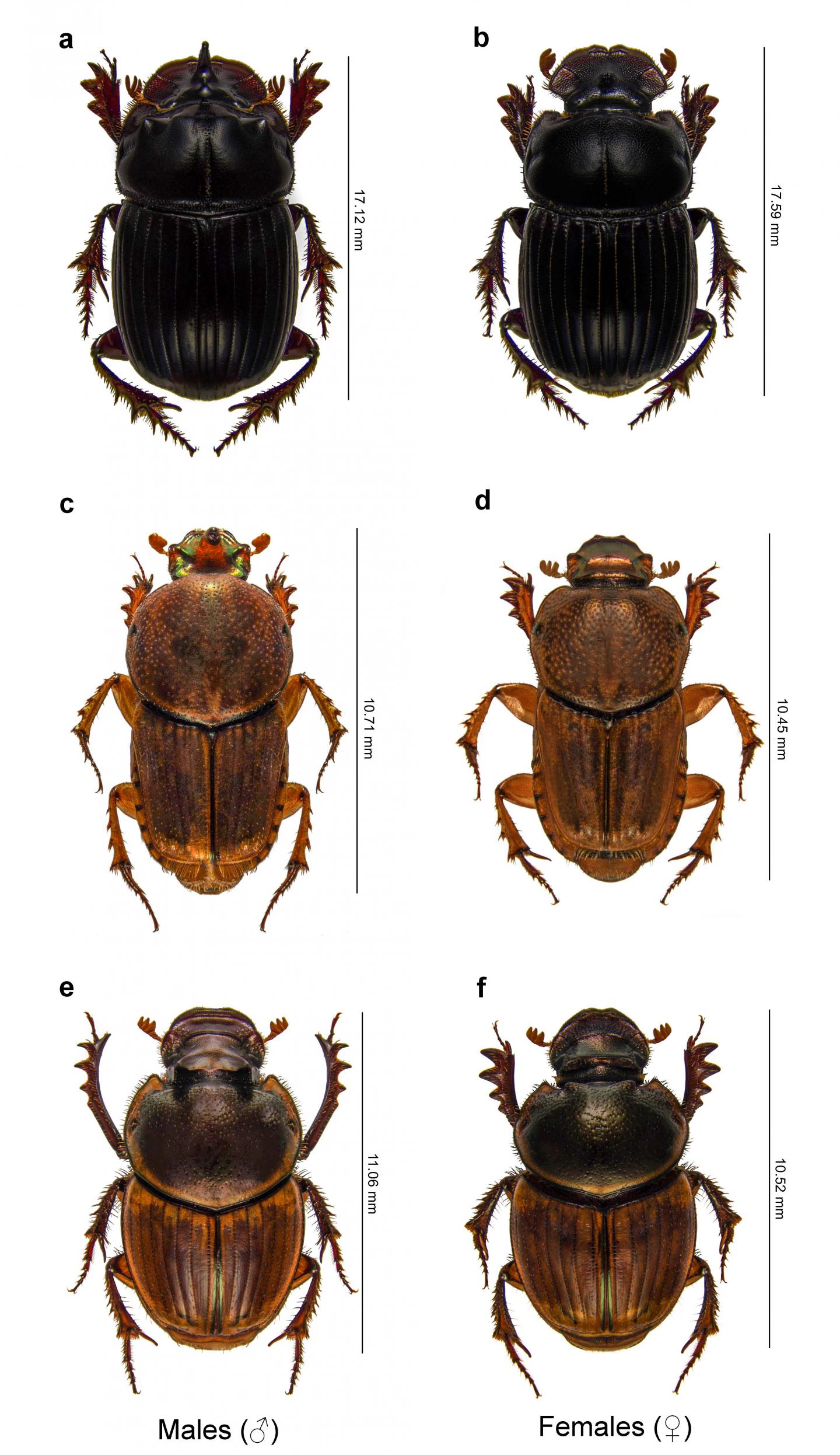
You mightn’t think that the life of a dung beetle, a creature who eats poop every day of its short life, could get any worse, but you’d be wrong. Dung beetles, also known as rollers, pretty much live in manure. They can be found in a variety of environments-deserts, prairies, forests-and they subsist on poop. Dung beetles provide a highly useful service to the environment and to us. How? By simply living their lives, these valuable insects conduct “ecosystem services” that are important to agriculture, such as redistributing nutrients in the soil, controlling pests and reducing greenhouse gasses. Yet, dung beetles are one of the most threatened terrestrial animal species; and one of the main threats is the excessive use of veterinary medical products that are excreted in dung.

In an article recently published in Environmental Toxicology and Chemistry, lead author Daniel González-Tokman and his colleagues from the Institute of Ecology and the National Autonomous University of Mexico provided “the first evidence under natural conditions that native and exotic species of dung beetles are highly sensitive to different types of livestock management.” The researchers showed that veterinary medications and herbicides used in intensive animal feeding facilities can alter the growth and development patterns of dung beetles, which can then reduce their ability to function and do good. The beetles’ physiological responses to the chemicals were sex- and species-specific and contingent on both the type of livestock management used and the density of the cattle.

González-Tokman notes that studies such as these can help researchers “understand the underlying mechanisms of species decline in nature and enrich the strategies of livestock management with benefits for grassland ecological health.”

If you are what you eat, it’s a bad day for dung beetles living in or near intensive animal feeding facilities. Shrinking dung beetle populations mean steeper environmental and financial costs in agricultural regions, and that means it’s a bad day for all of us, too.

###

Media Contact
Jen Lynch
[email protected]

Related Journal Article

http://dx.doi.org/10.1002/etc.4548

Tags: AgricultureBiodiversityBiologyEcology/EnvironmentEntomologyFertilizers/Pest ManagementPollution/RemediationToxicology
Share12Tweet8Share2ShareShareShare2

Related Posts

AI Tool Demonstrates Potential to Reduce Eye Care Disparities Among African American Adults with Diabetes

June 9, 2026

New Study Reveals Mechanisms Behind Aggressive Childhood Cancer Growth and Unveils Promising Therapies

June 9, 2026

Active β-Catenin Drives Aggressiveness in Pediatric Osteosarcoma, Study Finds

June 9, 2026

Critical Path Institute to Host Drug Development Leaders at 2026 Global Impact Conference

June 9, 2026
Please login to join discussion

POPULAR NEWS

  • ESMO 2025: mRNA COVID Vaccines Enhance Efficacy of Cancer Immunotherapy

    324 shares
    Share 130 Tweet 81
  • Saying Goodbye to PGY-6: Pediatric Fellowship Realities

    88 shares
    Share 35 Tweet 22
  • Multi-Hospital Study Reveals Long Covid Burden Is Twice as High as Current Estimates

    89 shares
    Share 35 Tweet 22
  • Common Food Preservatives Associated with Elevated Blood Pressure and Increased Heart Disease Risk

    58 shares
    Share 23 Tweet 15

About

We bring you the latest biotechnology news from best research centers and universities around the world. Check our website.

Follow us

Recent News

Physicists Unveil Harmonized Quantum Interaction Between Excitons and Phonons

AI Tool Demonstrates Potential to Reduce Eye Care Disparities Among African American Adults with Diabetes

Nanjing University Team Pioneers Novel Targeted Therapy for EGFR-Driven Tumors Utilizing IVSA Technology

Subscribe to Blog via Email

Enter your email address to subscribe to this blog and receive notifications of new posts by email.

Join 82 other subscribers
  • Contact Us

Bioengineer.org © Copyright 2023 All Rights Reserved.

Welcome Back!

Login to your account below

Forgotten Password?

Retrieve your password

Please enter your username or email address to reset your password.

Log In
No Result
View All Result
  • Homepages
    • Home Page 1
    • Home Page 2
  • News
  • National
  • Business
  • Health
  • Lifestyle
  • Science

Bioengineer.org © Copyright 2023 All Rights Reserved.