• HOME
  • NEWS
  • EXPLORE
    • CAREER
      • Companies
      • Jobs
    • EVENTS
    • iGEM
      • News
      • Team
    • PHOTOS
    • VIDEO
    • WIKI
  • BLOG
  • COMMUNITY
    • FACEBOOK
    • INSTAGRAM
    • TWITTER
Friday, January 9, 2026
BIOENGINEER.ORG
No Result
View All Result
  • Login
  • HOME
  • NEWS
  • EXPLORE
    • CAREER
      • Companies
      • Jobs
        • Lecturer
        • PhD Studentship
        • Postdoc
        • Research Assistant
    • EVENTS
    • iGEM
      • News
      • Team
    • PHOTOS
    • VIDEO
    • WIKI
  • BLOG
  • COMMUNITY
    • FACEBOOK
    • INSTAGRAM
    • TWITTER
  • HOME
  • NEWS
  • EXPLORE
    • CAREER
      • Companies
      • Jobs
        • Lecturer
        • PhD Studentship
        • Postdoc
        • Research Assistant
    • EVENTS
    • iGEM
      • News
      • Team
    • PHOTOS
    • VIDEO
    • WIKI
  • BLOG
  • COMMUNITY
    • FACEBOOK
    • INSTAGRAM
    • TWITTER
No Result
View All Result
Bioengineer.org
No Result
View All Result
Home NEWS Science News

COVID-19 kept our parks busy, but not everyone ventured outside

Bioengineer by Bioengineer
September 6, 2025
in Science News
Reading Time: 2 mins read
0
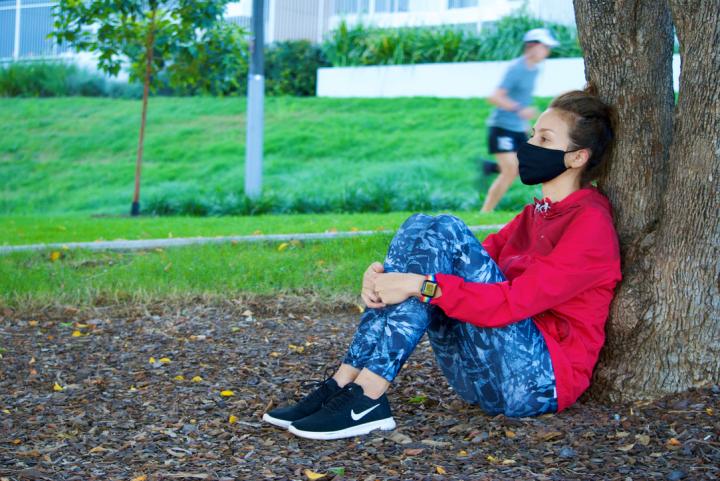
IMAGE
Share on FacebookShare on TwitterShare on LinkedinShare on RedditShare on Telegram

Public use of parks and reserves increased only slightly during last year’s COVID-19 national lockdown despite gyms and sports facilities shutting down, a University of Queensland study found.

UQ School of Biological Sciences PhD candidate Violeta Berdejo-Espinola surveyed 1000 people in Brisbane, measuring their use of urban green space and the benefits people associated with visiting the areas during lockdown.

“People all around Brisbane, myself included, noticed a boom in park use in 2020, but while more people ventured into local parks, many folks were left indoors,” Ms Berdejo-Espinola said.

“Thirty-six per cent of people increased their use of city green spaces, yet at the same time, 26 per cent reduced it – there was a great deal of flux during this time.

“As an avid green space user and runner, I noticed plenty of people that I had to dodge – kids on bikes, people walking and running, doing yoga, or reading a book.

“If you were already using green spaces frequently, chances are you significantly reduced your use of them – maybe because there were too many people to dodge.

“It was the same story if you were older – you might not have wanted to go to parks as often as you once did, which is concerning because staying isolated at home can have negative health implications.”

The research also found that lockdown periods greatly motivated those who had never really visited Brisbane’s parks before.

“Forty-five per cent of people who weren’t previous users of urban green spaces started to use them for the first time during the restrictions period,” Ms Berdejo-Espinola said.

“It seemed these people were finally discovering that our city’s parks are excellent for fostering good mental health during stressful times and realised they’re a highly effective nature-based coping mechanism.

“Programs exist across the globe where GPs are prescribing nature to people, and Brisbanites were naturally discovering these anxiety-reducing effects.”

Fellow author Professor Richard Fuller said careful planning meant Brisbane was well-endowed with high-quality green spaces.

“Brisbane’s comparative abundance of usable green spaces has undoubtedly played a role in helping our population through the crisis,” he said.

“Yet it is concerning that many people actually reduced their park use during the lockdowns.

“Programs to help everyone benefit from the health and wellbeing effects of natural spaces will help Brisbane achieve United Nations Sustainable Development Goal 11 – making inclusive, resilient, and sustainable cities.

“COVID-19 is changing the way we’re using green spaces, and now is the perfect time to place the human health benefits of urban green spaces at the forefront of our urban planning policies.”

###

The research has been published in People and Nature (DOI: 10.1002/pan3.10218).

Media Contact
Violeta Berdejo-Espinola
[email protected]

Original Source

https://www.uq.edu.au/news/article/2021/05/covid-19-kept-our-parks-busy-not-everyone-ventured-outside

Related Journal Article

http://dx.doi.org/10.1002/pan3.10218

Tags: Arts/CultureBehaviorDemographyExerciseMental HealthSocial/Behavioral ScienceSports/RecreationUrbanization
Share12Tweet8Share2ShareShareShare2

Related Posts

Expert Consensus on Validating Internal Jugular Ultrasound Tool

January 9, 2026

Evaluating Acupuncture for Cancer Treatment Fatigue: A Review

January 9, 2026

New Framework Enhances Climate Health Vulnerability Analysis

January 9, 2026

Exploring Nursing Students’ Satisfaction in Clinical Practicum

January 9, 2026
Please login to join discussion

POPULAR NEWS

  • Enhancing Spiritual Care Education in Nursing Programs

    154 shares
    Share 62 Tweet 39
  • PTSD, Depression, Anxiety in Childhood Cancer Survivors, Parents

    144 shares
    Share 58 Tweet 36
  • Impact of Vegan Diet and Resistance Exercise on Muscle Volume

    46 shares
    Share 18 Tweet 12
  • SARS-CoV-2 Subvariants Affect Outcomes in Elderly Hip Fractures

    45 shares
    Share 18 Tweet 11

About

We bring you the latest biotechnology news from best research centers and universities around the world. Check our website.

Follow us

Recent News

Expert Consensus on Validating Internal Jugular Ultrasound Tool

Evaluating Acupuncture for Cancer Treatment Fatigue: A Review

New Framework Enhances Climate Health Vulnerability Analysis

Subscribe to Blog via Email

Enter your email address to subscribe to this blog and receive notifications of new posts by email.

Join 71 other subscribers
  • Contact Us

Bioengineer.org © Copyright 2023 All Rights Reserved.

Welcome Back!

Login to your account below

Forgotten Password?

Retrieve your password

Please enter your username or email address to reset your password.

Log In
No Result
View All Result
  • Homepages
    • Home Page 1
    • Home Page 2
  • News
  • National
  • Business
  • Health
  • Lifestyle
  • Science

Bioengineer.org © Copyright 2023 All Rights Reserved.