


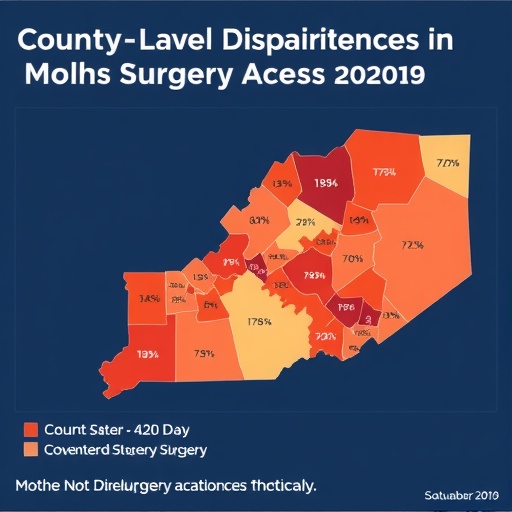
The intricate landscape of Mohs micrographic surgery has been highlighted in a recent study that delves into the geographic disparities and demographic influences affecting access and utilization within the United States. Conducted by a team of medical researchers, the analysis reveals critical insights into how regional factors and population characteristics shape the availability and adoption of this highly specialized surgical procedure, which is primarily utilized for the treatment of skin cancer. As the prevalence of skin cancer continues to rise, understanding the nuances of access to care is essential for improving patient outcomes.
Mohs micrographic surgery, noted for its high cure rates and minimal removal of surrounding healthy tissue, is fundamentally dependent on trained specialists and the infrastructure required for its execution. Holla and colleagues conducted a county-level assessment that reveals significant variability in access to this procedure across different U.S. regions. For certain populations, particularly in rural areas, the challenges of finding qualified surgeons and facilities are amplified, leading to disparities in care that could alter patient trajectories markedly.
Moreover, the researchers employed a robust analytical framework to dissect the myriad factors influencing these disparities. They examined demographic characteristics such as income levels, insurance types, and race, thereby illuminating how socio-economic status often determines access to cutting-edge surgical techniques. The implications of these findings are profound, as they point to a systemic issue within healthcare delivery that could perpetuate inequalities among those battling skin cancer.
One of the striking revelations from the study is that patients residing in urban areas benefit from significantly greater access to Mohs micrographic surgery compared to their rural counterparts. This discrepancy raises important questions about how healthcare providers can address the logistical barriers faced by patients living in less accessible locations. To bridge this gap, innovative strategies may be necessary, including telemedicine consultations or mobile surgical units that can reach underserved populations.
Furthermore, the research shows that individuals without adequate health insurance are also at a pronounced disadvantage when it comes to receiving Mohs surgery. The interplay between health insurance coverage and access to specialized medical care suggests that reforms focused on expanding insurance offerings may be integral to facilitating a more equitable healthcare environment. Consequently, policymakers must take these findings to heart when designing interventions aimed at mitigating these disparities.
Beyond socio-economic factors, the study highlights the influence of demographic variables such as age and gender on the utilization of Mohs micrographic surgery. For instance, older adults, who are at a higher risk of skin cancer, may still face obstacles in accessing this advanced treatment due to various factors including mobility and transportation issues. Understanding the specific needs of this demographic can help tailor solutions that enhance their access to care.
The researchers also emphasize the role of education and awareness in shaping patients’ decisions regarding Mohs surgery. Many individuals remain unaware of the procedure’s benefits or may have misconceptions about its efficacy. Empowering patients through targeted educational initiatives could lead to increased demand for the treatment, ultimately improving outcomes for those affected by skin cancer.
In light of these findings, the study advocates for a multifaceted approach to address the varying levels of access to Mohs micrographic surgery. Collaboration among healthcare stakeholders, including providers, insurers, and community organizations, will be crucial in crafting effective strategies that cater to the diverse needs of patients across geographic and demographic lines. Such collaborative efforts can lead to innovative solutions that not only increase access but also enhance the overall quality of care received by patients.
Furthermore, the study calls for continued research into how geographic and demographic dynamics influence medical treatment patterns. Knowing that disparities exist is just the first step; ongoing investigation is necessary to identify effective interventions that can rectify these imbalances. By keeping these factors in focus, the healthcare community can work toward more inclusive and effective treatment models that ultimately benefit all patients, regardless of their location or background.
The pressing need for equitable access to Mohs micrographic surgery cannot be overstated. As skin cancer remains a leading form of cancer in the U.S., ensuring that every patient has the opportunity to receive appropriate and timely treatment is critical. Awareness, education, and systemic changes are foundational to achieving parity in healthcare access.
This study serves as a call to action for both researchers and practitioners alike, urging them to prioritize disparities in access to Mohs micrographic surgery. The findings presented underscore a pressing issue that warrants immediate attention and ongoing dialogue within the medical community. By placing increased emphasis on these concerns, it may be possible to foster a more equitable healthcare system that adequately addresses the complexities of treatment access.
In conclusion, the landscape surrounding Mohs micrographic surgery is nuanced and deeply affected by geographic and demographic disparities. As researchers continue to explore these intricacies, it is imperative that action is taken to ensure equitable access to care for all individuals battling skin cancer. By addressing these disparities head-on and advocating for policy changes, the healthcare community can drive meaningful improvement in outcomes and quality of life for patients nationwide.
Subject of Research: Geographic disparities and demographic influences in Mohs micrographic surgery.
Article Title: Geographic disparities and demographic influences in Mohs micrographic surgery: a county-level analysis of access and utilization in the U.S..
Article References:
Holla, S., Catinis, A., Nyamongo, N. et al. Geographic disparities and demographic influences in Mohs micrographic surgery: a county-level analysis of access and utilization in the U.S..
Arch Dermatol Res 318, 58 (2026). https://doi.org/10.1007/s00403-025-04486-3
Image Credits: AI Generated
DOI: 14 January 2026
Keywords: Mohs micrographic surgery, skin cancer, healthcare disparities, access to care, demographic influences.
Tags: access to specialized surgical procedurescounty-level healthcare analysisdemographic influences on surgery availabilitygeographic disparities in healthcarehealthcare infrastructure for Mohs surgeryMohs micrographic surgery access disparitiespatient outcomes in dermatologyregional differences in surgical carerural healthcare challengesskin cancer prevalence trendsskin cancer treatment accesssocio-economic factors in surgery access



