

• HOME
  • NEWS
  • EXPLORE
    • CAREER
      • Companies
      • Jobs
    • EVENTS
    • iGEM
      • News
      • Team
    • PHOTOS
    • VIDEO
    • WIKI
  • BLOG
  • COMMUNITY
    • FACEBOOK
    • INSTAGRAM
    • TWITTER
Thursday, January 8, 2026
BIOENGINEER.ORG
No Result
View All Result
  • Login
  • HOME
  • NEWS
  • EXPLORE
    • CAREER
      • Companies
      • Jobs
        • Lecturer
        • PhD Studentship
        • Postdoc
        • Research Assistant
    • EVENTS
    • iGEM
      • News
      • Team
    • PHOTOS
    • VIDEO
    • WIKI
  • BLOG
  • COMMUNITY
    • FACEBOOK
    • INSTAGRAM
    • TWITTER
  • HOME
  • NEWS
  • EXPLORE
    • CAREER
      • Companies
      • Jobs
        • Lecturer
        • PhD Studentship
        • Postdoc
        • Research Assistant
    • EVENTS
    • iGEM
      • News
      • Team
    • PHOTOS
    • VIDEO
    • WIKI
  • BLOG
  • COMMUNITY
    • FACEBOOK
    • INSTAGRAM
    • TWITTER
No Result
View All Result
Bioengineer.org
No Result
View All Result
Home NEWS Science News Health

Could saffron be as effective as stimulant medicines in treating ADHD?

Bioengineer by Bioengineer
February 21, 2019
in Health
Reading Time: 2 mins read
0
IMAGE
Share on FacebookShare on TwitterShare on LinkedinShare on RedditShare on Telegram

IMAGE

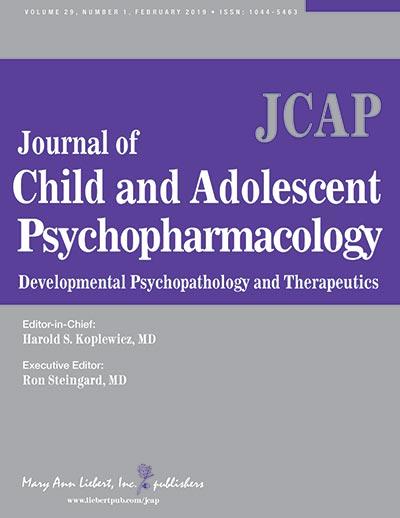
Credit: Mary Ann Liebert Inc., publishers


New Rochelle, NY, February 21, 2019–A new short-term pilot study in children and teens 6-17 years old with attention-deficit hyperactivity disorder (ADHD) has shown saffron to be as effective at controlling symptoms as methylphenidate, the commonly prescribed drug Ritalin. Saffron may be a promising herbal alternative for treating ADHD, particularly for the 30% of patients who do not respond to or cannot tolerate stimulants like methylphenidate, as reported in an article published in the Journal of Child and Adolescent Psychopharmacology, a peer-reviewed journal from Mary Ann Liebert, Inc., publishers. Click here to read the full-text article free on the Journal of Child and Adolescent Psychopharmacology website through March 21, 2019.

The article entitled “Crocus sativus L. Versus Methylphenidate in Treatment of Children with Attention-Deficit/Hyperactivity Disorder: A Randomized, Double-Blind Pilot Study” was coauthored by Sara Baziar, MD, Ali Aqamolaei, MD and colleagues from Tehran University of Medical Sciences, Iran. The researchers note that saffron also has anti-depressant and memory-enhancing properties. They compared the effects of Crocus sativus L. to methylphenidate in 54 patients over a 6-week period and showed no significant difference in effectiveness as well as similar frequency of adverse effects.

“This is a very interesting study and an intriguing finding. It is worthy of replication and further study to understand the mechanism of action,” says Harold S. Koplewicz, MD, Editor-in-Chief of the Journal of Child and Adolescent Psychopharmacology and President of the Child Mind Institute in New York.

###

About the Journal

Journal of Child and Adolescent Psychopharmacology is an authoritative peer-reviewed journal published bimonthly in print and online. The Journal is dedicated to child and adolescent psychiatry and behavioral pediatrics, covering clinical and biological aspects of child and adolescent psychopharmacology and developmental neurobiology. Complete tables of content and a sample issue may be viewed on the Journal of Child and Adolescent Psychopharmacology website.

About the Publisher

Mary Ann Liebert, Inc., publishers is a privately held, fully integrated media company known for establishing authoritative peer-reviewed journals in many promising areas of science and biomedical research, including Cyberpsychology, Behavior, and Social Networking, Games for Health Journal, and Violence and Gender. Its biotechnology trade magazine, GEN (Genetic Engineering & Biotechnology News), was the first in its field and is today the industry’s most widely read publication worldwide. A complete list of the firm’s 80 journals, books, and newsmagazines is available on the Mary Ann Liebert, Inc., publishers website.

Media Contact
Kathryn Ryan
[email protected]
914-740-2250

Original Source

https://home.liebertpub.com/news/could-saffron-be-as-effective-as-stimulant-medicines-in-treating-adhd/3507

Related Journal Article

http://dx.doi.org/10.1089/cap.2018.0146

Tags: Alternative MedicineMedicine/HealthneurobiologyPharmaceutical Science
Share13Tweet8Share2ShareShareShare2

Related Posts

Drinking Habits and Regret in ADHD, Autism, AuDHD

January 8, 2026

USP10 Drives Glioma Growth by Blocking SATB2 Loss

January 8, 2026

Butyrophilin 2A2 Boosts T Cell Regulation, Guards Against Autoimmune Disease

January 8, 2026

Obesity Hinders Gut Repair Through Iron Overload

January 8, 2026
Please login to join discussion

POPULAR NEWS

  • Enhancing Spiritual Care Education in Nursing Programs

    154 shares
    Share 62 Tweet 39
  • PTSD, Depression, Anxiety in Childhood Cancer Survivors, Parents

    143 shares
    Share 57 Tweet 36
  • Impact of Vegan Diet and Resistance Exercise on Muscle Volume

    46 shares
    Share 18 Tweet 12
  • SARS-CoV-2 Subvariants Affect Outcomes in Elderly Hip Fractures

    45 shares
    Share 18 Tweet 11

About

We bring you the latest biotechnology news from best research centers and universities around the world. Check our website.

Follow us

Recent News

Drinking Habits and Regret in ADHD, Autism, AuDHD

USP10 Drives Glioma Growth by Blocking SATB2 Loss

Butyrophilin 2A2 Boosts T Cell Regulation, Guards Against Autoimmune Disease

Subscribe to Blog via Email

Success! An email was just sent to confirm your subscription. Please find the email now and click 'Confirm' to start subscribing.

Join 71 other subscribers
  • Contact Us

Bioengineer.org © Copyright 2023 All Rights Reserved.

Welcome Back!

Login to your account below

Forgotten Password?

Retrieve your password

Please enter your username or email address to reset your password.

Log In
No Result
View All Result
  • Homepages
    • Home Page 1
    • Home Page 2
  • News
  • National
  • Business
  • Health
  • Lifestyle
  • Science

Bioengineer.org © Copyright 2023 All Rights Reserved.

