• HOME
  • NEWS
  • EXPLORE
    • CAREER
      • Companies
      • Jobs
    • EVENTS
    • iGEM
      • News
      • Team
    • PHOTOS
    • VIDEO
    • WIKI
  • BLOG
  • COMMUNITY
    • FACEBOOK
    • INSTAGRAM
    • TWITTER
Monday, May 11, 2026
BIOENGINEER.ORG
No Result
View All Result
  • Login
  • HOME
  • NEWS
  • EXPLORE
    • CAREER
      • Companies
      • Jobs
        • Lecturer
        • PhD Studentship
        • Postdoc
        • Research Assistant
    • EVENTS
    • iGEM
      • News
      • Team
    • PHOTOS
    • VIDEO
    • WIKI
  • BLOG
  • COMMUNITY
    • FACEBOOK
    • INSTAGRAM
    • TWITTER
  • HOME
  • NEWS
  • EXPLORE
    • CAREER
      • Companies
      • Jobs
        • Lecturer
        • PhD Studentship
        • Postdoc
        • Research Assistant
    • EVENTS
    • iGEM
      • News
      • Team
    • PHOTOS
    • VIDEO
    • WIKI
  • BLOG
  • COMMUNITY
    • FACEBOOK
    • INSTAGRAM
    • TWITTER
No Result
View All Result
Bioengineer.org
No Result
View All Result
Home Headlines

Consuming saturated animal fats increases the risk of type 2 diabetes

Bioengineer.org by Bioengineer.org
January 30, 2018
in Headlines, Health, Science News
Reading Time: 2 mins read
0
Share on FacebookShare on TwitterShare on LinkedinShare on RedditShare on Telegram
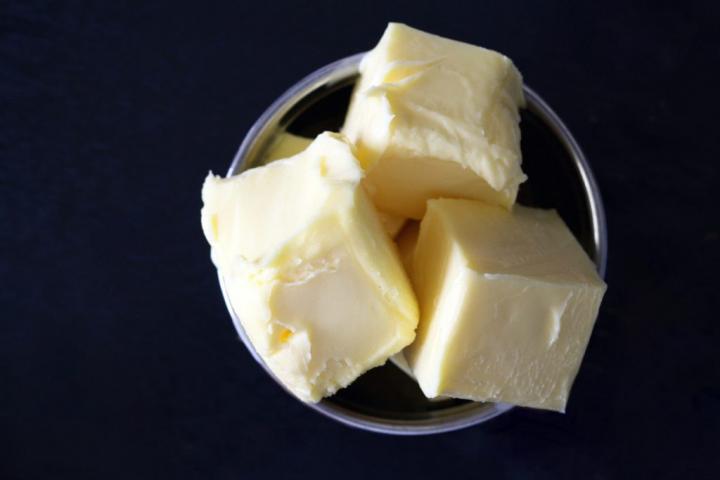
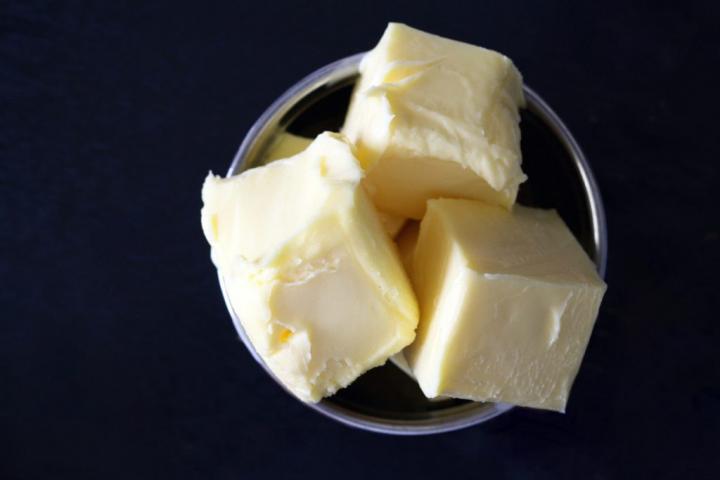
IMAGE

Credit: ©URV

Recently, dietary guidelines for the general population have shifted towards a plant-based diet (rich in legumes, whole-grain cereals, fruits, vegetables and nuts) and low in animal-based foods (like red meat and pastries). Increasing evidence is suggesting that plant-based diets are beneficial for health and they also have less impact on the environment.

Researchers at the Unit of Human Nutrition of the Universitat Rovira i Virgili (Tarragona-Spain), in collaboration with other centers from the PREDIMED Study and Harvard University, have evaluated the associations between total and subtypes of fat intake and the risk of type 2 diabetes. In addition, they have evaluated the relationship between food sources rich in saturated fatty acids and the incidence of type 2 diabetes.

The research's main findings showed that those participants who consumed higher amounts of saturated fatty acids and animal fat had a twofold higher risk of developing type 2 diabetes than those participants with a lower intake of saturated and animal fat. The consumption of 12 grams per day of butter was associated with a twofold higher risk of diabetes after 4.5 years of follow-up, whereas the intake of whole-fat yogurt was associated with a lower risk. The present study analyzed data from 3,349 participants in the PREDIMED Study who were free of diabetes at baseline but at high cardiovascular risk. After 4.5 years of follow-up, 266 participants developed diabetes.

This study will be published in the scientific journal The American Journal of Clinical Nutrition in February 2017 and was led by doctors Marta Guasch-Ferré;, researcher at Harvard T.H. Chan School of Public Health, Nerea Becerra-Tomás, researcher at the URV's Unit of Human Nutrition, and Jordi Salas-Salvadó;, who is head of the URV's Unit of Human Nutrition, Clinical Director of Nutrition at the Internal Medicine Service of the Sant Joan University Hospital in Reus, principal investigator at the CIBERObn, and member of the Pere Virgili Health Research Institute (IISPV).

According to the researchers, these findings emphasize the healthy benefits of a Mediterranean diet for preventing chronic diseases, particularly type 2 diabetes, and the importance of substituting saturated and animal fats (especially red and processed meat) for those found in vegetable sources such as olive oil and nuts.

###

Media Contact

Jordi Salas-Salvado
[email protected]
34-977-759-312
@universitatURV

http://www.urv.cat
Share12Tweet8Share2ShareShareShare2

Related Posts

Charting a Path to Safer and More Transparent AI in Protein Design — Technology and Engineering

Charting a Path to Safer and More Transparent AI in Protein Design

May 11, 2026

Breast Cancer Cells That Slowly Tick Could Unlock Secrets to Late Relapse

May 11, 2026

NELA, P-POSSUM, Muscle Index Predict Elderly Surgery Risk

May 11, 2026

PeroCycle Partners with Jindal Steel (Oman) to Pioneer Low-Carbon Steel Innovation

May 11, 2026
Please login to join discussion

POPULAR NEWS

  • Research Indicates Potential Connection Between Prenatal Medication Exposure and Elevated Autism Risk

    840 shares
    Share 336 Tweet 210
  • New Study Reveals Plants Can Detect the Sound of Rain

    728 shares
    Share 290 Tweet 182
  • Salmonella Haem Blocks Macrophages, Boosts Infection

    62 shares
    Share 25 Tweet 16
  • Breastmilk Balances E. coli and Beneficial Bacteria in Infant Gut Microbiomes

    57 shares
    Share 23 Tweet 14

About

We bring you the latest biotechnology news from best research centers and universities around the world. Check our website.

Follow us

Recent News

Charting a Path to Safer and More Transparent AI in Protein Design

Breast Cancer Cells That Slowly Tick Could Unlock Secrets to Late Relapse

NELA, P-POSSUM, Muscle Index Predict Elderly Surgery Risk

Subscribe to Blog via Email

Enter your email address to subscribe to this blog and receive notifications of new posts by email.

Join 82 other subscribers
  • Contact Us

Bioengineer.org © Copyright 2023 All Rights Reserved.

Welcome Back!

Login to your account below

Forgotten Password?

Retrieve your password

Please enter your username or email address to reset your password.

Log In
No Result
View All Result
  • Homepages
    • Home Page 1
    • Home Page 2
  • News
  • National
  • Business
  • Health
  • Lifestyle
  • Science

Bioengineer.org © Copyright 2023 All Rights Reserved.