• HOME
  • NEWS
  • EXPLORE
    • CAREER
      • Companies
      • Jobs
    • EVENTS
    • iGEM
      • News
      • Team
    • PHOTOS
    • VIDEO
    • WIKI
  • BLOG
  • COMMUNITY
    • FACEBOOK
    • INSTAGRAM
    • TWITTER
Monday, October 5, 2026
BIOENGINEER.ORG
No Result
View All Result
  • Login
  • HOME
  • NEWS
  • EXPLORE
    • CAREER
      • Companies
      • Jobs
        • Lecturer
        • PhD Studentship
        • Postdoc
        • Research Assistant
    • EVENTS
    • iGEM
      • News
      • Team
    • PHOTOS
    • VIDEO
    • WIKI
  • BLOG
  • COMMUNITY
    • FACEBOOK
    • INSTAGRAM
    • TWITTER
  • HOME
  • NEWS
  • EXPLORE
    • CAREER
      • Companies
      • Jobs
        • Lecturer
        • PhD Studentship
        • Postdoc
        • Research Assistant
    • EVENTS
    • iGEM
      • News
      • Team
    • PHOTOS
    • VIDEO
    • WIKI
  • BLOG
  • COMMUNITY
    • FACEBOOK
    • INSTAGRAM
    • TWITTER
No Result
View All Result
Bioengineer.org
No Result
View All Result
Home Headlines

Combining risk scores improves identification of AFib patients at…

Bioengineer.org by Bioengineer.org
January 29, 2018
in Headlines, Health, Science News
Reading Time: 3 mins read
0
Share on FacebookShare on TwitterShare on LinkedinShare on RedditShare on Telegram
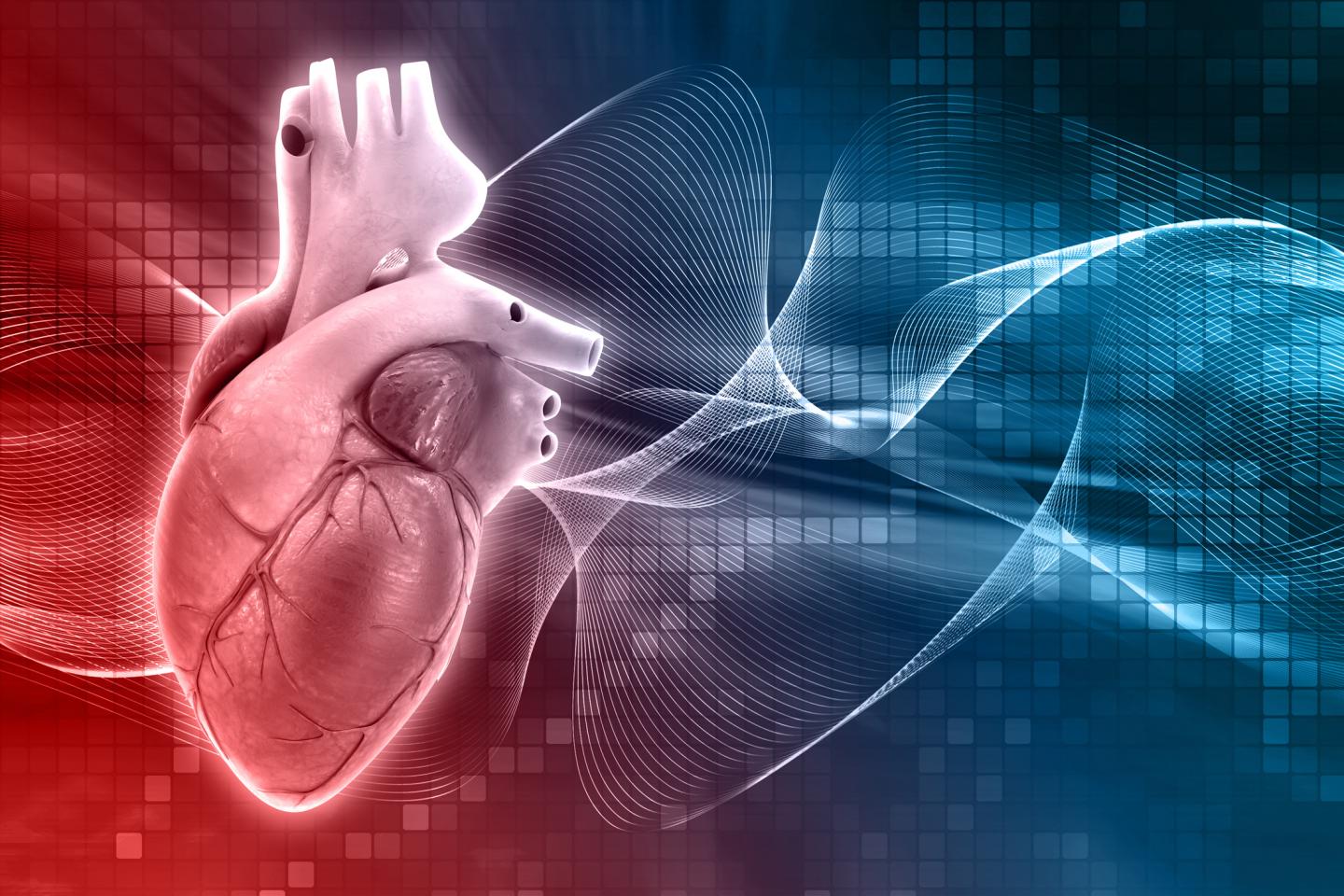
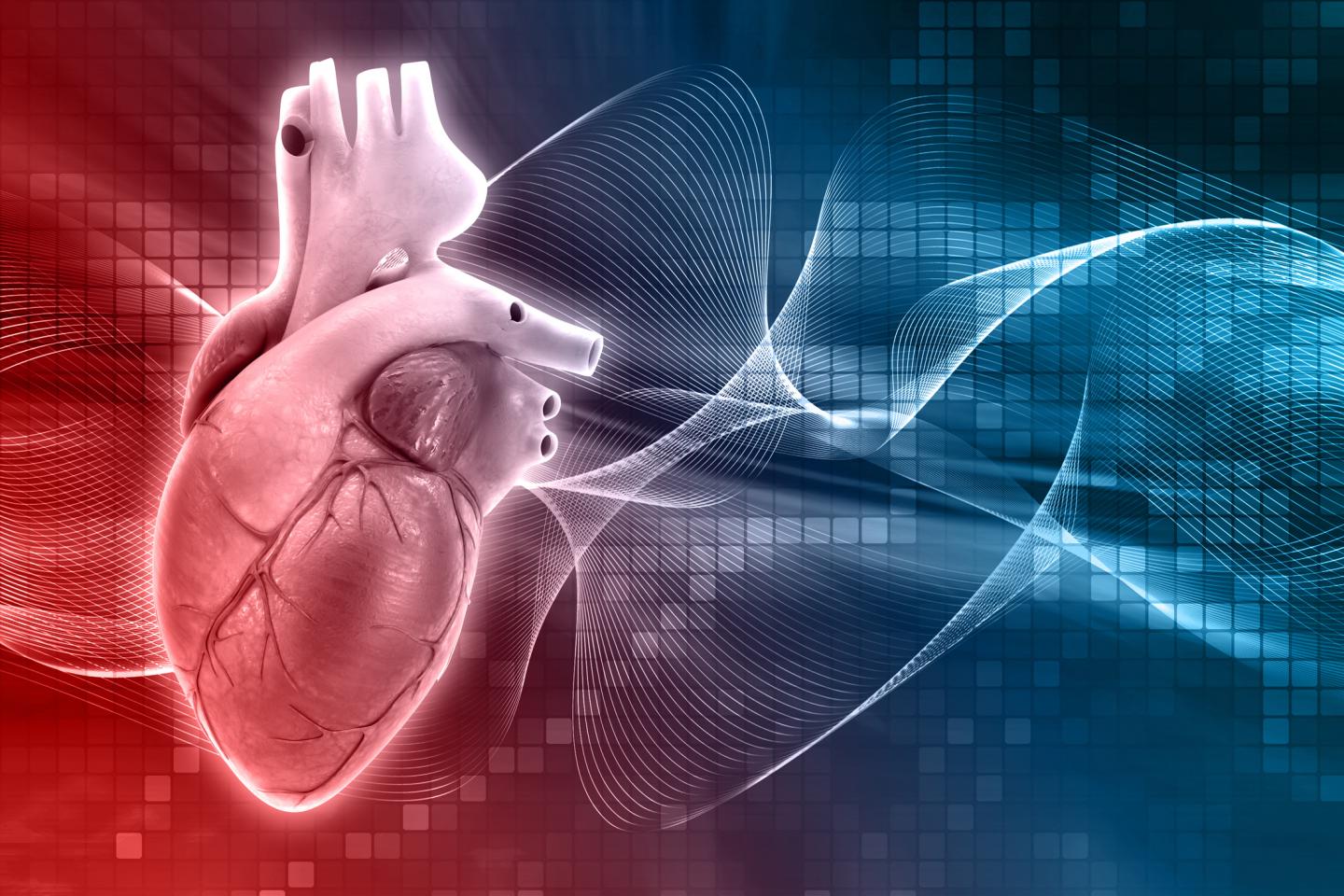
IMAGE

Credit: Intermountain Medical Center Heart Institute

Combining risk scores helps clinicians better identify atrial fibrillation patients who face increased risks of developing dementia, researchers have found.

Combining the Intermountain Mortality Risk Score (IMRS), developed by clinicians at Intermountain Healthcare, with the traditional CHA2DS2-VASc risk score, was more accurate in identifying at-risk patients than using the traditional score alone, according to new research from the Intermountain Medical Center Heart Institute in Salt Lake City.

Previous studies have linked atrial fibrillation patients who have a high CHA2DS2-VASc score with increased risk of stroke and dementia, but this new research examined patients with low CHA2DS2-VASc scores to better identify those at higher risk of dementia.

The CHA2DS2-VASc score is an international guideline to determine a patient's need for blood thinner. Points are added based on age, sex, and history of stroke, hypertension, heart failure, or diabetes. An atrial fibrillation patient with a score of two or more is placed on blood thinners.

"Patients who have a CHA2DS2-VASc score of zero or one are considered at low risk for developing dementia when using the traditional CHA2DS2-VASc tool," said Kevin Graves, lead author of the study and researcher with the Intermountain Medical Center Heart Institute. "But when the IMRS tool is used to evaluate those same patients, a better picture is provided to physicians that shows which patients are truly at a high risk for dementia."

The Intermountain Mortality Risk Score is based on lab values that are typically collected from a patient – a complete blood count (CBC) and basic metabolic profile (BMP) – which sync automatically to a patient's electronic medical record so physicians have the score readily available to them.

Results of the study will be presented during the Heart Rhythm Society's annual scientific conference, Heart Rhythm 2017, in Chicago on Thursday, May 11.

Nearly 75,000 atrial fibrillation patients who had no history of dementia were included in the retrospective study. After they received an atrial fibrillation diagnosis, patients were grouped together according to their CHA2DS2-VASc score of one, two, or three or greater. Patients were then further organized in their groupings using the IMRS.

Atrial fibrillation is the most common abnormal heart rhythm that affects more than 2.7 million Americans.

"We don't consider atrial fibrillation to be a risk factor for dementia, but rather a risk marker," said Graves. "Dementia may be an endgame of the underlying atrial fibrillation diagnosis, so as that disease progresses, the risk of dementia goes up significantly. Having the best tools available to identify risks can help physician and patients be better equipped in the shared decision-making process to help them prevent, postpone, or better manage the symptoms of dementia."

###

Members of the Intermountain Medical Center Heart Institute team involved in the study include Benjamin Horne, PhD; Heidi May, PhD; Tami Bair, RN; Victoria Jacobs, PhD; Brian Crandall, MD; Michael Cutler, DO, PhD; Charles Mallender, MD; Jeffrey Osborn, MD; Peter Weiss, MD; John D. Day, MD; and Jared Bunch, MD.

Intermountain Medical Center Heart Institute is part of the Intermountain Healthcare system, which is based in Salt Lake City.

Media Contact

Jess C. Gomez
[email protected]
801-718-8495
@IntermtnMedCtr

http://www.ihc.com

Share12Tweet8Share2ShareShareShare2

Related Posts

Moderate Drought Is the Sweet Spot That Makes Bougainvillea Bloom, Study Finds

Moderate Drought Is the Sweet Spot That Makes Bougainvillea Bloom, Study Finds

October 5, 2026
Head Lice in Thai Schools Carry Mutations Linked to Pyrethroid Resistance

Head Lice in Thai Schools Carry Mutations Linked to Pyrethroid Resistance

October 5, 2026

AI Reads Ultrasound and MRI Together to Predict Breast Cancer Subtypes Without a Biopsy

October 5, 2026

Gut Bacteria Recipe Turns Ordinary Liberica Coffee Into Award-Winning Specialty Beans

October 5, 2026
Please login to join discussion

POPULAR NEWS

  • Alloys That Shrink Their Own Grains: New PIX Mechanism Refines Metals With Heat Alone

    Alloys That Shrink Their Own Grains: New PIX Mechanism Refines Metals With Heat Alone

    29 shares
    Share 12 Tweet 7
  • Endurance Exercise Reshapes the Liver in Males and Females Through Distinct Molecular Routes

    29 shares
    Share 12 Tweet 7
  • Single Transcription Factor PU.1 Rapidly Converts Fibroblasts into Macrophage-Lineage Cells

    29 shares
    Share 12 Tweet 7
  • New Scale Measures How Ready Nurse Educators Really Are for the AI Era

    29 shares
    Share 12 Tweet 7

About

We bring you the latest biotechnology news from best research centers and universities around the world. Check our website.

Follow us

Recent News

Alloys That Shrink Their Own Grains: New PIX Mechanism Refines Metals With Heat Alone

Endurance Exercise Reshapes the Liver in Males and Females Through Distinct Molecular Routes

Single Transcription Factor PU.1 Rapidly Converts Fibroblasts into Macrophage-Lineage Cells

Subscribe to Blog via Email

Success! An email was just sent to confirm your subscription. Please find the email now and click 'Confirm' to start subscribing.

Join 85 other subscribers
  • Contact Us

Bioengineer.org © Copyright 2023 All Rights Reserved.

Welcome Back!

Login to your account below

Forgotten Password?

Retrieve your password

Please enter your username or email address to reset your password.

Log In
No Result
View All Result
  • Homepages
    • Home Page 1
    • Home Page 2
  • News
  • National
  • Business
  • Health
  • Lifestyle
  • Science

Bioengineer.org © Copyright 2023 All Rights Reserved.