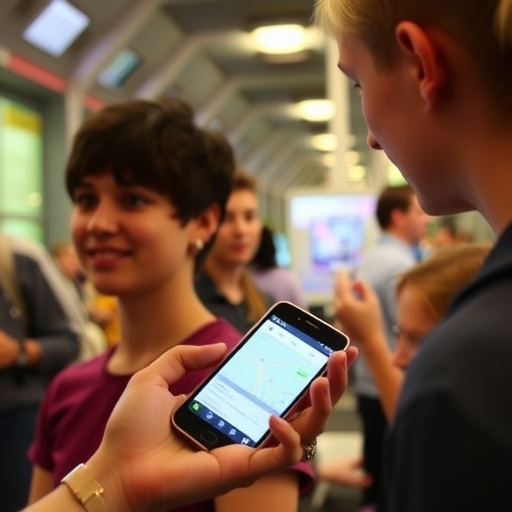
In an era where technology permeates every facet of our lives, the way we make decisions is becoming increasingly influenced by the digital landscape. A recent study by Xu B., published in “Discover Artificial Intelligence,” delves into the decision-making processes of college students regarding their tourism consumption, specifically through the lens of mobile social networks. This insightful research sheds light on how these platforms not only serve as communication tools but also shape preferences, behaviors, and spending patterns in the realm of tourism, an industry that has undergone significant transformation in recent years.
The study begins by acknowledging the profound changes mobile social networks have brought to marketing and consumer behavior. For college students, who are often early adopters of technology, social media is a critical component of their decision-making framework. The research highlights that platforms such as Instagram, Facebook, and TikTok are not just avenues for sharing experiences; they are instrumental in influencing where students choose to travel, what activities they engage in, and how much they are willing to spend. The visual nature of these platforms, combined with peer recommendations, creates a compelling advertising mechanism that traditional marketing struggles to match.
Xu’s research employs a decision model tailored to the behavior of college students. This model accounts for various factors that influence tourism consumption, including social influence, personal preferences, and situational variables. Acknowledging the unique characteristics of this demographic is essential, as college students typically have distinct travel preferences, budgeting constraints, and social circles compared to older generations. The model reflects this reality, demonstrating how these factors converge in the digital landscape to shape consumption choices.
An essential aspect of the study is the use of empirical data to validate the decision model. Xu collected data from a diverse group of college students, employing surveys and interviews that provided qualitative and quantitative insights. This methodological rigor allows for a comprehensive analysis of how mobile social networks impact tourism consumption. The findings indicate that the integration of peer behaviors, active engagement with content on social media, and real-time feedback significantly shape students’ travel decisions. This insight offers valuable implications for marketers aiming to reach this audience effectively.
Moreover, the study underscores the role of user-generated content in shaping perceptions and expectations. College students are not merely passive consumers of information; they actively create and share content that influences their peers. The research demonstrates that the visibility of travel experiences shared on social media serves as both inspiration and a social currency, compelling others to either affirm or challenge their choices based on what they see online. This phenomenon enhances the urgency and desirability of certain destinations and activities, further compounding the impact of mobile social networks on tourism consumption.
The implications of Xu’s findings extend beyond understanding consumer behavior; they have practical applications for tourism businesses and marketers. By aligning their strategies with the preferences of the college demographic, stakeholders in the tourism industry can leverage the power of social media to enhance marketing campaigns. For instance, employing social media influencers to promote destinations can create a more authentic and relatable connection with potential travelers, making them more likely to consider these recommendations in their own decision-making processes.
Additionally, Xu’s decision model highlights the importance of segmentation within the college demographic. Not all students are motivated by the same factors; experiences and advertising tailored to specific interests, such as adventure travel or cultural experiences, are likely to resonate more strongly with different segments. Marketers who understand these nuances can create targeted campaigns that not only attract college students but also foster lasting relationships by delivering relevant experiences.
The research also touches on the implications of mobile technology in facilitating spontaneous travel decisions. In an era where travel logistics can be organized at the touch of a button, college students are increasingly inclined to make snap decisions influenced by social media content. This spontaneity is both a boon and a challenge for the travel industry, necessitating agile marketing strategies that can capitalize on these impulsive behaviors while still providing students with the information they need to make informed choices.
As the study concludes, Xu raises critical questions about the future landscape of tourism consumption among younger generations. With the ongoing evolution of mobile technologies and social networks, understanding how these platforms shape behaviors will be paramount for stakeholders in the tourism industry. As college students continue to adapt to new trends, their Preferences, influenced by the intricacies of social media, will likely dictate the direction of market strategies, ensuring that the industry evolves in tandem with its consumers.
In light of this research, one can anticipate that the relationship between college students and tourism consumption will only deepen in complexity. Technological advancements and the relentless pace of social media trends mean that stakeholders must remain vigilant and responsive to ever-changing consumer behaviors. Xu’s model serves as a foundation for further exploration, opening up discussions about how evolving technologies will continuously redefine the nature of decision-making in tourism.
Ultimately, Xu’s exploration of the decision model concerning college students’ tourism consumption based on mobile social networks provides critical insights into a rapidly changing landscape. This research stands as a testament to the pivotal role technology plays in shaping preferences and behaviors, signaling a future where digital interaction will remain at the forefront of how we experience and engage with the world around us.
Understanding this dynamic relationship not only enhances the effectiveness of marketing strategies but also broadens our comprehension of the cultural shifts occurring in leisure and travel trends. With such promising insights, further research in this domain is essential for fully grasping the implications of technology on tourism and consumer behavior, and for fostering a more responsive and responsible tourism industry.
Subject of Research: College Students’ Tourism Consumption
Article Title: Decision model of college students’ tourism consumption based on mobile social network.
Article References:
Xu, B. Decision model of college students’ tourism consumption based on mobile social network.
Discov Artif Intell 5, 249 (2025). https://doi.org/10.1007/s44163-025-00474-8
Image Credits: AI Generated
DOI:
Keywords: Tourism Consumption, College Students, Mobile Social Networks, Decision Model, Consumer Behavior.
Tags: college students spending patternscollege students travel decisionsdecision-making in tourismdigital marketing in tourismimpact of social media on travelInstagram travel trendsmobile social networks influencemobile technology and travel choicespeer recommendations in tourismsocial media platforms for travel planningtourism consumption behaviorsvisual content in travel decision-making