Researchers from Mahidol University and collaborating institutions in Thailand have demonstrated that an aqueous extract from coffee pulp can significantly reduce the severity of experimental colitis in mice. Published in Biological Research, the study provides evidence that this agricultural byproduct possesses anti-inflammatory and barrier-protective properties that may be relevant to the management of inflammatory bowel disease (IBD). The findings suggest that compounds within the coffee pulp, specifically an aqueous extract referred to as CPE, can mitigate the pathological changes associated with acute intestinal inflammation in a murine model.
The study utilized C57BL/6 male mice to model inflammatory bowel disease, a chronic condition characterized by immune overactivation and disruption of the intestinal mucosal barrier. The researchers induced acute colitis by administering dextran sulfate sodium (DSS) in the drinking water of the animals. DSS is a chemical irritant that damages the colonic epithelium, mimicking the tissue injury and inflammatory response seen in human ulcerative colitis. The experimental design included a survival study lasting 14 days and molecular and histopathological analyses conducted at 8 days post-induction.
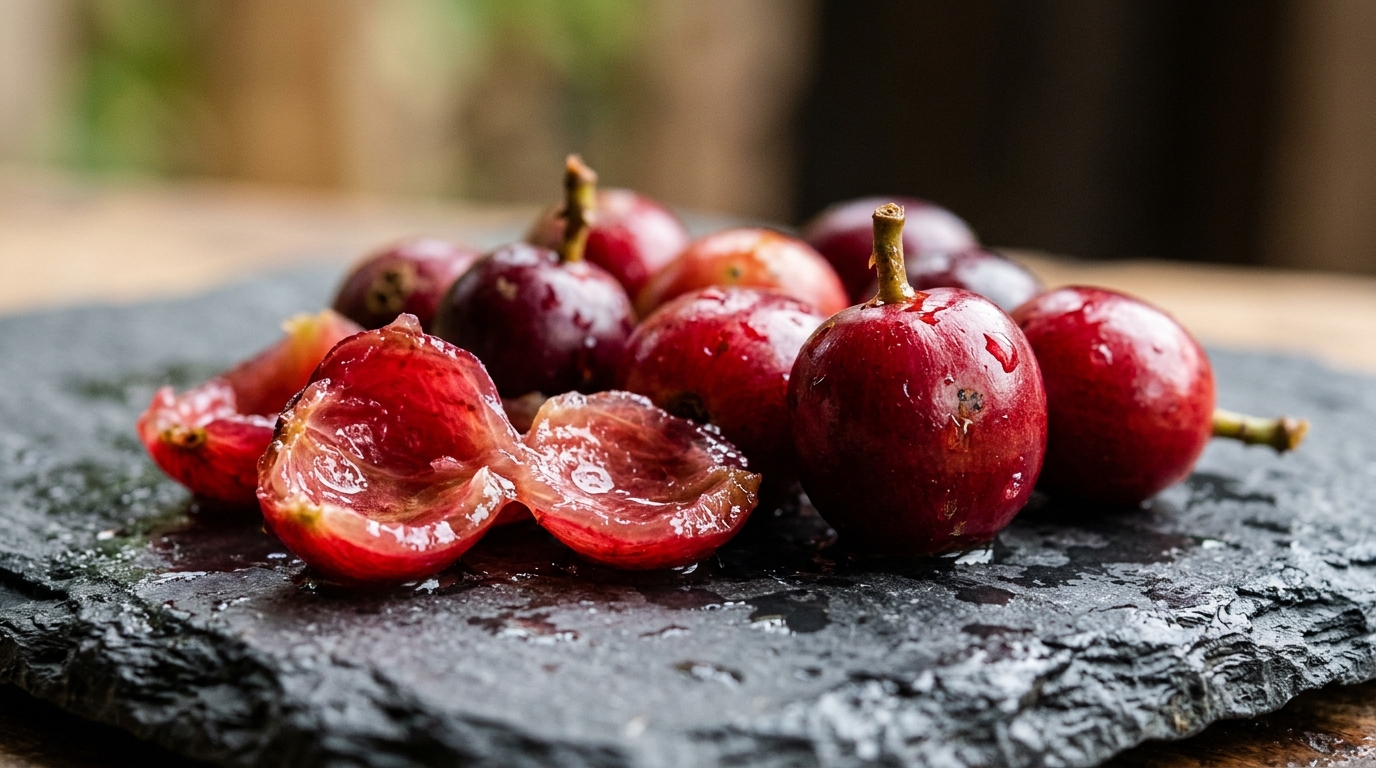
The coffee pulp aqueous extract (CPE) was prepared from dried coffee pulp provided by a Thai supplier. The dried pulp was infused in hot water for ten minutes, filtered, concentrated, and lyophilized to produce a solid extract. This extract contains various bioactive phenolic compounds, including caffeine, anthocyanins, catechin, epicatechin, and chlorogenic acid. The researchers tested three different doses of CPE—10, 50, and 100 mg/kg—administered orally to the mice daily from the start of the DSS treatment until the end of the experiment.
The primary results indicated that CPE treatment attenuated all IBD-related clinical phenotypes in the mice. Mice receiving the highest dose of CPE, 100 mg/kg per day, showed significantly less body weight loss and a lower disease activity index (DAI) compared to vehicle-treated mice that received only DSS. The DAI is a composite score that evaluates posture, fur texture, motor activity, and diarrhea, providing a quantitative measure of disease severity. Additionally, CPE treatment dose-dependently reversed the shortening of the colon, a common histological marker of severe colitis in this model.
A critical finding of the study was the impact of CPE on survival rates. In the 14-day survival study, mice treated with 100 mg/kg of CPE exhibited a significantly enhanced survival rate compared to those treated with DSS alone. This suggests that the extract not only alleviates symptoms but also provides a protective effect against the lethal outcomes associated with severe experimental colitis. The histopathological analysis further supported these clinical observations, showing that CPE reduced epithelial damage, architectural changes, crypt abscesses, and mucin depletion in the colon tissues.
At the molecular level, the study investigated the role of myosin light-chain kinase (MLCK) in the protective effects of CPE. MLCK is an enzyme that, when activated, leads to the contraction of the actin cytoskeleton and the disruption of tight junctions, which are protein complexes that seal the gaps between intestinal cells. The researchers found that DSS treatment significantly upregulated both the mRNA and protein expression of MLCK in the colonic tissues. CPE treatment, however, significantly suppressed this upregulation, reducing both the transcript and protein levels of MLCK in the colitis mice.
Furthermore, immunofluorescence staining revealed that CPE inhibited the recruitment of MLCK to the apical junction of the colonic tissues. In untreated colitis mice, MLCK accumulated at the apical surface, promoting tight junction disruption. By preventing this recruitment, CPE helped preserve the integrity of the intestinal barrier. The study also examined the expression of tight junction proteins, finding that while CPE did not alter the mRNA expression of certain tight junction genes, it reversed the inflammation-mediated downregulation of ZO-1, occludin, and claudin-4 proteins. This protein-level recovery was associated with the re-localization of ZO-1 and occludin to the apical junction, restoring the physical barrier function of the intestinal epithelium.
The mechanism underlying these protective effects appears to be linked to the activation of sirtuin-1 (SIRT-1). SIRT-1 is an enzyme known to suppress inflammation and enhance intestinal barrier function. The researchers measured SIRT-1 enzymatic activity in the colonic tissues and found that CPE treatment significantly enhanced SIRT-1 activity in the DSS-induced colitis mice. This suggests that CPE may exert its anti-colitogenic effects by stimulating SIRT-1, which in turn modulates inflammatory signaling and tight junction assembly. The study also noted that CPE suppressed the nuclear translocation of NF-κB, a master regulator of inflammatory cytokines, and reduced the expression of downstream cytokines such as TNF, IFN-γ, IL-1β, IL-6, and IL-8.
In vivo permeability assays were conducted to distinguish between tight junction-dependent leak pathway permeability and tissue damage-associated barrier loss. The researchers used a cocktail of 4-kDa FITC-dextran and 70-kDa rhodamine-dextran as probes. The 4-kDa probe measures leak pathway permeability, while the 70-kDa probe measures unrestricted pathway permeability due to tissue damage. The results showed that DSS increased the permeability of the 4-kDa probe but not the 70-kDa probe, indicating that leak pathway permeability was the dominant barrier defect in this model. CPE treatment significantly decreased the permeability rate of the 4-kDa probe, confirming that it specifically suppresses tight junction-dependent leak pathway permeability.
The study has several limitations that must be considered when interpreting the results. The experiments were conducted exclusively in male C57BL/6 mice using an acute DSS model, which may not fully recapitulate the complex, chronic immune pathophysiology of human inflammatory bowel disease. The study did not evaluate sex-specific effects, and the absence of safety, pharmacokinetic, and bioavailability data limits the direct extrapolation of these findings to human clinical applications. Additionally, while the study identified major constituents of CPE, such as caffeine and chlorogenic acid, it did not isolate the specific compounds responsible for the anti-colitogenic effects. The conflicting results from HPLC and NMR spectroscopy regarding the exact composition of the extract highlight the complexity of the bioactive mixture.
Despite these limitations, the study provides a proof-of-principle that coffee pulp aqueous extract can attenuate the severity of colitis in a murine model. The findings support the potential of CPE as a cost-effective candidate for further preclinical development in the context of IBD. The identification of SIRT-1 activation and MLCK suppression as key mechanisms offers new avenues for investigating the pharmacological properties of coffee byproducts. Future research will need to address the safety profile, dosing equivalence, and bioavailability of CPE constituents to determine its viability as a therapeutic agent for human patients.
The research underscores the value of agricultural waste products as sources of bioactive compounds with potential health benefits. Coffee pulp, traditionally discarded during coffee processing, is shown here to contain molecules that can modulate intestinal inflammation and barrier function. This work contributes to the growing body of evidence supporting the use of natural products in the management of gastrointestinal disorders, although further studies are required to translate these preclinical findings into clinical practice.
Delving into the histological and cellular assessments, the researchers also examined neutrophil infiltration by measuring colonic myeloperoxidase activity. Neutrophils infiltrating inflamed tissue release this enzyme, which produces hypochlorous acid and taurine chloramine, driving the oxidation and signal reduction of a chromogenic probe measured at 412 nanometers. Tissue samples from colitis mice exhibited markedly reduced probe absorbance, reflecting elevated enzyme activity, whereas treatment with 100 milligrams per kilogram of the extract reversed this decline. A blinded anatomical pathologist further evaluated mucosal architecture using both a standard histopathological scoring scale and the Nancy index to grade immune infiltration. The extract significantly lowered both histological indices while curbing mucosal edema. Additionally, periodic acid-Schiff staining revealed that while acute colitis increased the count of goblet cells per crypt alongside severe mucin depletion, the extract suppressed this depletion and preserved functional mucus production within the epithelium.
The investigations also highlighted a distinct divergence between gene transcription and protein abundance across specific junctional components. Quantitative real-time polymerase chain reaction showed that messenger RNA levels for several claudins and the tight junction protein Tjp1 remained unchanged during experimental colitis. Conversely, transcript levels for Tjp2 and occludin declined significantly following chemical exposure; however, the extract did not reverse this suppression at the messenger RNA stage. Instead, its restorative actions occurred post-transcriptionally, selectively bolstering the protein quantities of occludin, claudin-4, and zonula occludens-1 without altering claudin-1 levels.
These observations gain clinical relevance against existing therapeutic limitations in inflammatory bowel disease. Conventional front-line regimens such as oral 5-aminosalicylate frequently prove ineffective during severe cases, while corticosteroids present substantial adverse risks including infections and cardiovascular complications. Furthermore, no therapeutic drug approved by regulatory authorities specifically rescues disrupted tight junctions. Prior cell-culture investigations cited by the authors ruled out the involvement of common metabolic regulators like AMP-activated protein kinase, mammalian target of rapamycin, or extracellular signal-regulated kinase in the extract’s action, while showing that chemical inhibition of sirtuin-1 completely abolished junctional recovery. By restoring paracellular seal integrity across a hydrodynamic radius of roughly 14 angstroms, the extract demonstrates a targeted protective mechanism.
Subject of Research: Anti-colitogenic effects and mechanisms of Coffea arabica pulp aqueous extract in a murine model of inflammatory bowel disease
Article Title: Coffea arabica pulp aqueous extract exhibits the anti-colitogenic effect in mice: preventive efficacy and possible mechanisms of action
Article References: Arinno, A., Sukmak, P., Treveeravoot, S., Kulworasreth, P., Supapol, P., Sangsuwan, W., Teansuk, N., Wachiradejkul, W., Inchai, J., Sricharunrat, T., Jangyubol, K., Sanghong, P., Vaddhanaphuti, C. S., Aonbangkhen, C., & Pongkorpsakol, P. (2026). Coffea arabica pulp aqueous extract exhibits the anti-colitogenic effect in mice: preventive efficacy and possible mechanisms of action. Biological Research, 59(1), Article 41. https://doi.org/10.1186/s40659-026-00696-9
Image Credits: AI Generated
DOI: 10.1186/s40659-026-00696-9
Keywords: Coffee pulp extract, Inflammatory bowel disease, Colitis, SIRT-1, Tight junctions, MLCK, Intestinal barrier, Preclinical study, Mice, Anti-inflammatory, Coffea, arabica
News Source: Drew Townsend. (November 11, 2026). Coffee Pulp Extract Reduces Colitis Severity in Mice. Scienmag.