• HOME
  • NEWS
  • EXPLORE
    • CAREER
      • Companies
      • Jobs
    • EVENTS
    • iGEM
      • News
      • Team
    • PHOTOS
    • VIDEO
    • WIKI
  • BLOG
  • COMMUNITY
    • FACEBOOK
    • INSTAGRAM
    • TWITTER
Friday, June 26, 2026
BIOENGINEER.ORG
No Result
View All Result
  • Login
  • HOME
  • NEWS
  • EXPLORE
    • CAREER
      • Companies
      • Jobs
        • Lecturer
        • PhD Studentship
        • Postdoc
        • Research Assistant
    • EVENTS
    • iGEM
      • News
      • Team
    • PHOTOS
    • VIDEO
    • WIKI
  • BLOG
  • COMMUNITY
    • FACEBOOK
    • INSTAGRAM
    • TWITTER
  • HOME
  • NEWS
  • EXPLORE
    • CAREER
      • Companies
      • Jobs
        • Lecturer
        • PhD Studentship
        • Postdoc
        • Research Assistant
    • EVENTS
    • iGEM
      • News
      • Team
    • PHOTOS
    • VIDEO
    • WIKI
  • BLOG
  • COMMUNITY
    • FACEBOOK
    • INSTAGRAM
    • TWITTER
No Result
View All Result
Bioengineer.org
No Result
View All Result
Home NEWS Science News

Climate change is already causing widespread local extinction in plant and animal species

Bioengineer by Bioengineer
December 8, 2016
in Science News
Reading Time: 2 mins read
0
Share on FacebookShare on TwitterShare on LinkedinShare on RedditShare on Telegram
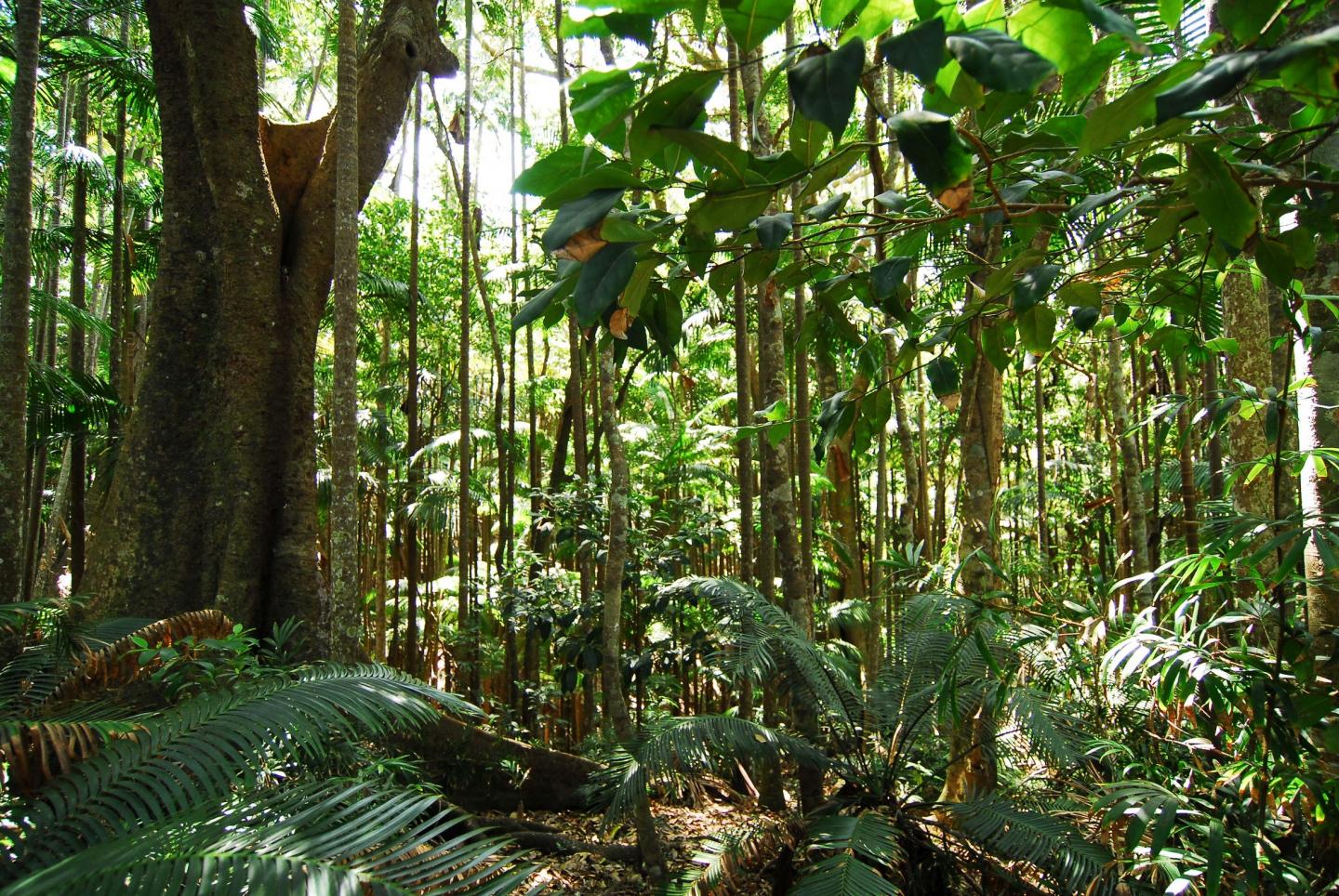
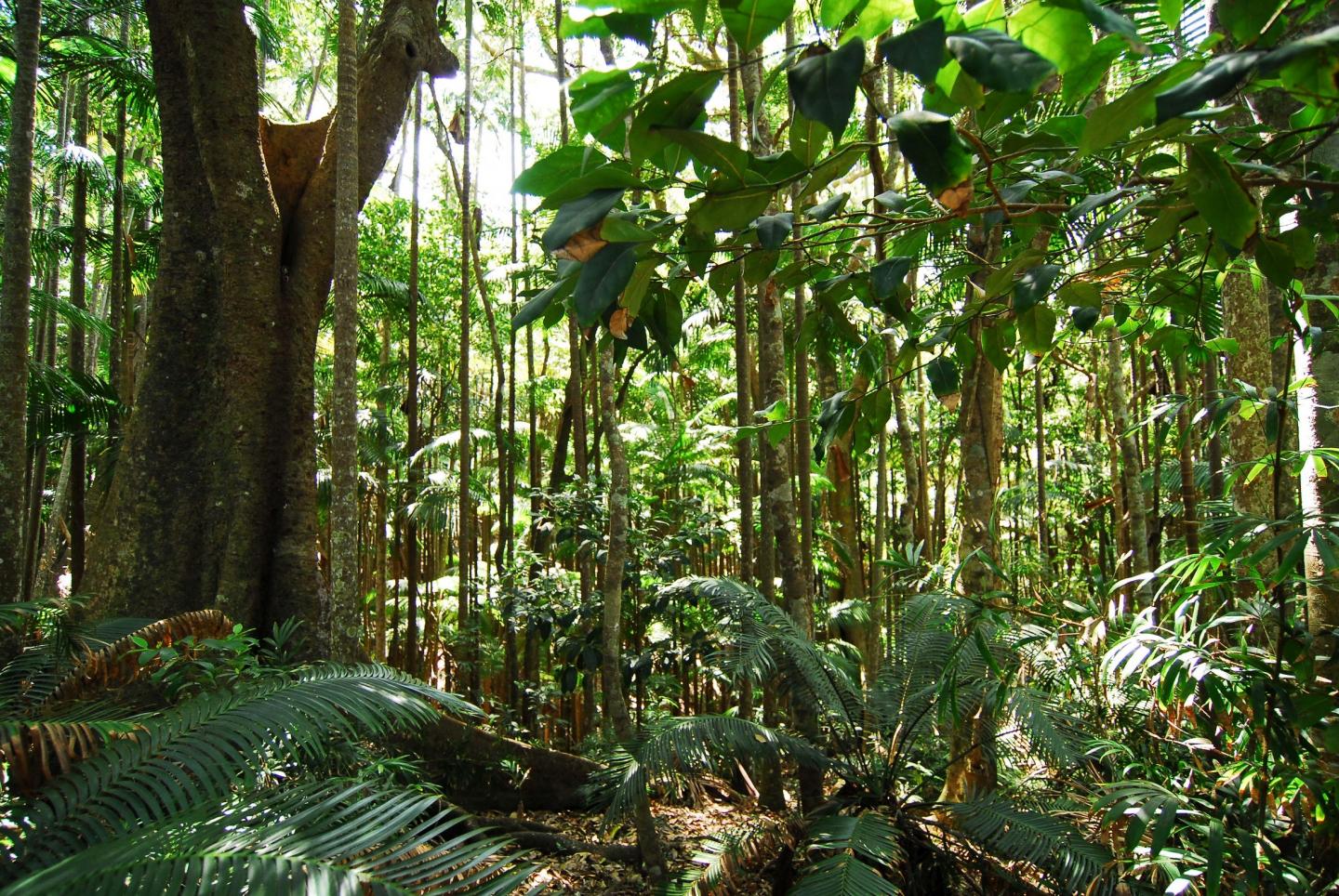
IMAGE

Credit: Flickr user, wanderingseoul61

Extinctions related to climate change have already happened in hundreds of plant and animal species around the world. New research, publishing on December 8th in the open-access journal PLOS Biology, shows that local extinctions have already occurred in 47% of the 976 plant and animal species studied.

Climate change is predicted to threaten many species with extinction, but determining how species will respond in the future is difficult. Dozens of studies have already demonstrated that species are shifting their geographic ranges over time as the climate warms, towards cooler habitats at higher elevations and latitudes. The new study, by Professor John J. Wiens from the University of Arizona, used these range-shift studies to show that local extinctions have already happened in the warmest parts of the ranges of more than 450 plant and animal species. This result is particularly striking because global warming has increased mean temperatures by less than 1 degree Celsius so far. These extinctions will almost certainly become much more widespread over time, because temperatures are predicted to increase by an additional 1 to 5 degrees in the next several decades. These local extinctions could also extend to species that humans depend on for food and resources.

The study also tested the frequency of local extinction across different regions, habitats, and groups of organisms. It found that local extinctions occurred in about half of the species surveyed across different habitats and taxonomic groups. However, the results showed that local extinctions varied by region and were almost twice as common among tropical species as among temperate species. This is important as the majority of plant and animal species live in the tropics. The results of this study contribute to our understanding of how plants and animals will respond to global climate change and highlight the need to slow and prevent further warming.

###

In your coverage please use this URL to provide access to the freely available article in PLOS Biology: http://dx.plos.org/10.1371/journal.pbio.2001104

Citation: Wiens JJ (2016) Climate-Related Local Extinctions Are Already Widespread among Plant and Animal Species. PLoS Biol 14(12): e2001104. doi:10.1371/journal.pbio.2001104

Funding: The author(s) received no specific funding for this work.

Competing Interests: The authors have declared that no competing interests exist.

Media Contact

John J. Wiens
[email protected]

Home

############

Story Source: Materials provided by Scienmag

Share12Tweet8Share2ShareShareShare2

Related Posts

Tracking Lanthanide-Labeled Microplastics in Plants

June 25, 2026

POSTECH Researchers Slash Cost of Reconstituted Cell-Free Systems by 95%

June 25, 2026

AI and Physics Collaborate to Design Advanced Hydrogen Storage Materials

June 25, 2026

Natural Hallucinogens: Evolution’s Ecological Tools, Not Mere Chemical Byproducts

June 25, 2026
Please login to join discussion

POPULAR NEWS

  • Saying Goodbye to PGY-6: Pediatric Fellowship Realities

    103 shares
    Share 41 Tweet 26
  • Multi-Hospital Study Reveals Long Covid Burden Is Twice as High as Current Estimates

    92 shares
    Share 36 Tweet 23
  • Detection of EDCs in Breast Milk and Infant Urine Up to Six Months Highlights Early Exposure Risks

    77 shares
    Share 31 Tweet 19
  • New Drug Candidate Developed at McMaster Shows Potential for Treating Brain Cancer

    58 shares
    Share 23 Tweet 15

About

We bring you the latest biotechnology news from best research centers and universities around the world. Check our website.

Follow us

Recent News

Tracking Lanthanide-Labeled Microplastics in Plants

POSTECH Researchers Slash Cost of Reconstituted Cell-Free Systems by 95%

AI and Physics Collaborate to Design Advanced Hydrogen Storage Materials

Subscribe to Blog via Email

Success! An email was just sent to confirm your subscription. Please find the email now and click 'Confirm' to start subscribing.

Join 82 other subscribers
  • Contact Us

Bioengineer.org © Copyright 2023 All Rights Reserved.

Welcome Back!

Login to your account below

Forgotten Password?

Retrieve your password

Please enter your username or email address to reset your password.

Log In
No Result
View All Result
  • Homepages
    • Home Page 1
    • Home Page 2
  • News
  • National
  • Business
  • Health
  • Lifestyle
  • Science

Bioengineer.org © Copyright 2023 All Rights Reserved.