Using a network of up to 60 citizen scientists, a team of Penn State researchers will assess the levels of endocrine-disrupting compounds in the Susquehanna River next year, and in turn empower those volunteers to become part of the solution to water-quality problems related to emerging contaminants.
The one-year project, funded by the National Science Foundation, will address growing public concern about the presence of trace-level unregulated chemicals in the river. The Susquehanna’s problems are well known — a recent analysis conducted by the Pennsylvania Department of Environmental Protection indicated that the presence of endocrine-disrupting compounds such as pesticides, pharmaceuticals and personal care products are contributing to the decline of smallmouth bass in the river.
The Susquehanna situation is not unique, according to lead researcher Heather Gall, assistant professor of agricultural and biological engineering, College of Agricultural Sciences. A significant factor contributing to the presence of these compounds in surface water is that wastewater treatment plants across the country were not designed to remove endocrine-disrupting compounds. Therefore, the chemicals and their metabolites often persist in the wastewater effluent, which is typically discharged into rivers.
Although the wastewater must be treated to meet permit requirements, most endocrine-disrupting compounds currently are not regulated and therefore the extent to which treatment plants remove them prior to effluent discharge varies widely, she pointed out.
“Given the link between the usage of pesticides, pharmaceuticals and personal care products and the presence of endocrine-disrupting compounds in the environment, citizens can play a major role in the scientific discovery process,” Gall said.
“With the lack of current water regulations or standards and the pressing need for research to better understand the chemicals’ presence, fate, transport, and impacts, citizen scientists can participate in identifying potential courses of action and desired legislation.”
In collaboration with the Susquehanna River Basin Commission, researchers will recruit 50-60 volunteer citizen scientists to participate in data generation and focus group meetings to identify ways to reduce endocrine-disrupting compounds in the environment.
In addition, the citizen scientists will be asked to use an online tool recently developed by Gall’s research group to help them understand their current consumption of products containing endocrine-disrupting compounds, so they can make informed choices about how best to reduce their inadvertent, undesirable usage of these compounds.
Currently available at https://sites.psu.edu/EDCcalculator, the tool can be used to estimate the mass of endocrine-disrupting compounds in the products that they use in their everyday household activities associated with personal hygiene and household cleaning. The calculator is divided into sections for each of three major categories: health and beauty products, laundry products, and household cleaners.
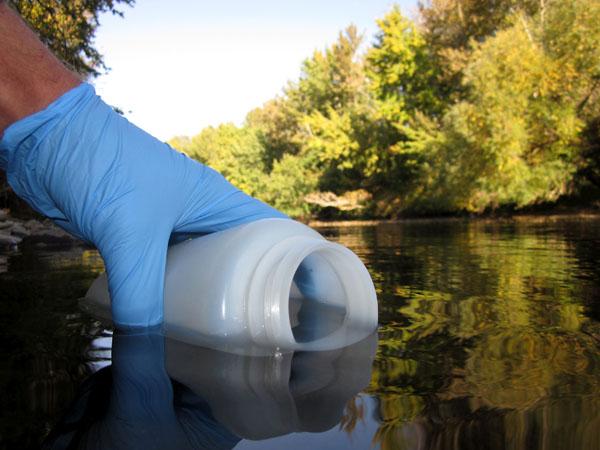
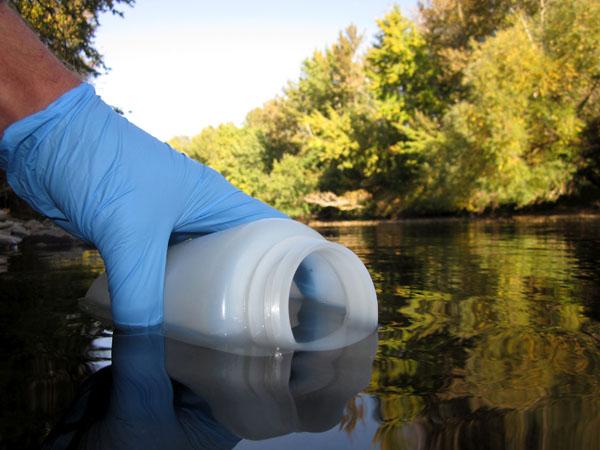
The volunteers will be provided with test kits, instructed how to use them and assigned a coordinate within the Susquehanna River watershed at a public location near where they live to sample surface water for endocrine-disrupting compounds this spring. Then they will participate in focus groups through the summer that will reveal their concerns, future research directions, and potential desired legislation that could lead to reductions of endocrine-disrupting compounds in the environment.
To illustrate the complexity of the dilemma with endocrine-disrupting compounds, researchers offered this list based on a comprehensive study by the Silent Spring Institute: UV filters, highest in sunscreen; cyclosiloxanes, highest in sunscreen and car interior cleaners; glycol ethers, highest in floor and carpet cleaners, polish/wax and sunscreen; fragrances, highest in surface cleaners, car fresheners, dryer sheets, air fresheners and perfume/cologne; and aklylphenols, highest in shower curtains and car interior cleaners.
Also on the list are ethanolamines, highest in glass cleaners and laundry detergent; antimicrobials, highest in hand and bar soaps; bisphenol A (BPA), highest in detergent, soap, shampoo, conditioner, detergent, shaving cream, face lotion, toilet bowl cleaners, bodywash and nail polish; phthalates, highest in makeup foundation, car fresheners and perfume/cologne; and parabens, highest in face lotion, mascara, hair spray and sunscreen.
However, Gall’s goal for the project is straightforward.
“By doing this research with citizen scientists, we can help people understand that potentially dangerous compounds in products they use every day ultimately make their way through wastewater treatment plants into their streams. Given the lack of water-quality standards, the quickest way to reduce their presence in the environment is for people to become more informed consumers,” she said.
“We are hoping this project gives people a sense of empowerment that they can make a difference in water quality in their local river.”
###
Also involved in the research are Lara Fowler, senior lecturer, Penn State Law and assistant director for outreach and engagement, Penn State Institutes of Energy and the Environment, whose focus is water-related conflicts and issues; and Bryan Swistock, senior extension associate and water resources coordinator for Penn State Extension. Penn State Survey Research Center personnel will lead focus group discussions. The U.S. Department of Agriculture’s Agricultural Research Services will analyze water samples under the direction of Ray Bryant.
Media Contact
A’ndrea Elyse Messer
[email protected]
814-865-9481
@penn_state
http://live.psu.edu