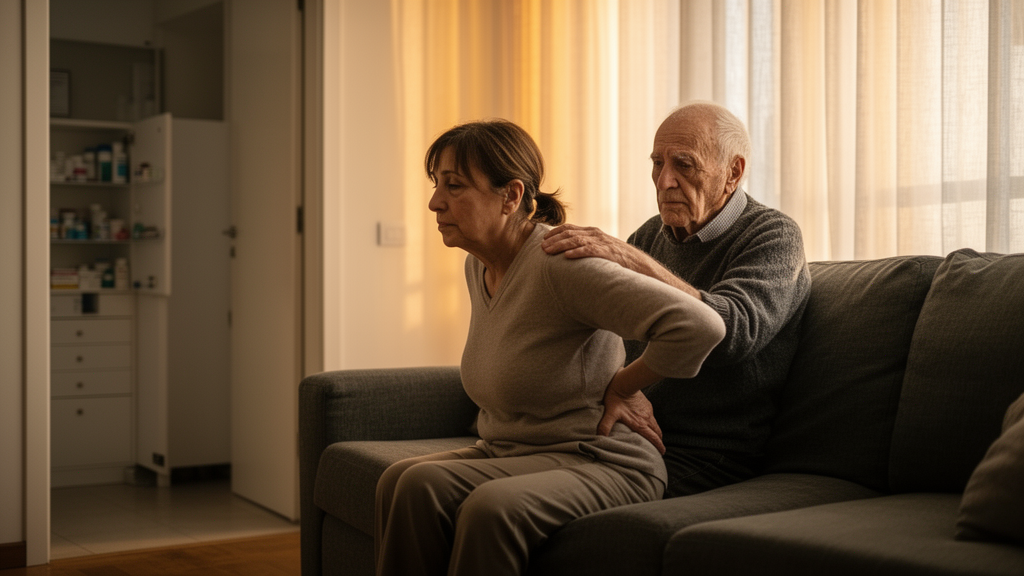
A nationwide survey of Italian adults living with chronic pain has found that more than one in four patients receive no specific pain therapy despite reporting moderate-to-severe symptoms, and that most respondents struggle to find competent specialists, obtain medications, or receive clear information about their treatment. The study, published in BMC Health Services Research, offers one of the most detailed pictures to date of how chronic pain patients in Italy experience care, navigate the health system, and perceive their legal rights.
The research team conducted a cross-sectional survey between 31 October and 11 November 2025 using Computer-Assisted Web Interviewing, a method in which participants complete structured questionnaires online. Adults aged 18 or older were eligible if they had experienced pain lasting at least three months and reported an intensity greater than 3 on a Numerical Rating Scale from 0 to 10 during the preceding week, or were receiving specific pain therapy. Of 2,989 individuals invited, 492 met the inclusion criteria and completed the survey. The researchers analyzed the data using descriptive statistics, presenting results as frequencies and percentages.
The respondents, 53 percent of whom were female with a mean age of 62 years, reported a mean pain intensity of 6.2 on the 0-to-10 scale, with a standard deviation of 1.8. Just over half, 52 percent, reported severe pain in the 7-to-10 range. Despite this burden, 28 percent of participants received no specific pain therapy at all. Among those who were treated, the initial prescriber was a disease specialist in 44.1 percent of cases, a general practitioner in 42.9 percent, and a pain specialist in only 13 percent.
Continuity of specialist care emerged as a particular weakness. Only 22 percent of patients initially seen by pain specialists continued under their care, suggesting that involvement of dedicated pain professionals is often brief or interrupted. The survey also documented the broad functional impact of chronic pain on daily life: 75.5 percent of participants reported effects on work or study, 74.8 percent on sleep, and 64.1 percent on caregiving activities.
Barriers to care were widespread. 71.7 percent of respondents reported difficulty finding competent specialists, 54 percent encountered problems accessing medications, and 65.4 percent said they lacked clear information about their treatment. These figures point to gaps at multiple levels of the care pathway, from the first consultation to the pharmacy.
Legal awareness was strikingly low. Law 38/2010 guarantees Italian patients access to pain therapy, yet only 7.5 percent of participants reported good knowledge of the law, and 47.6 percent could not distinguish palliative care from pain therapy. Most participants, 74.5 percent, perceived chronic pain as inadequately addressed in public discourse, and 67.2 percent felt unsupported by the National Health Service.
Access to opioid and cannabinoid therapies was considered difficult by 58.8 percent of respondents. Participants attributed this difficulty to restrictive regulations, cited by 58 percent, and to physician reluctance to prescribe, cited by 54.9 percent. Because these are patient-reported perceptions from a survey, they reflect how patients experience the regulatory and clinical environment rather than direct measurements of prescribing behavior.
The authors conclude that the findings reveal substantial gaps in chronic pain management in Italy, characterized by high rates of untreated pain, limited specialist involvement, poor care continuity, inadequate legal awareness, and perceived institutional neglect. They highlight urgent needs for enhanced access to specialized care, improved training in pain management for primary care physicians, regulatory reform to facilitate appropriate opioid and cannabinoid prescribing, public awareness campaigns, and patient-centered care pathways.
As a cross-sectional survey, the study captures patient perspectives at a single point in time and relies on self-reported data from 492 respondents, so the results describe the experiences of this sample rather than estimates for the entire Italian chronic pain population. Nevertheless, the survey provides concrete, quantified evidence on therapeutic pathways, barriers to care, and unmet needs, offering policymakers and clinicians a structured basis for improving how chronic pain is recognized, treated, and discussed in Italy’s health system.
Subject of Research: Patient perspectives on chronic pain management and care gaps in Italy
Article Title: Chronic pain in Italy: exploring patient perspectives on care gaps and opportunities
Article References: Consoletti, L., Gentili, M., Giacomelli, L., Costantini, G., & Fornasari, D. M. M. (2026). Chronic pain in Italy: exploring patient perspectives on care gaps and opportunities. BMC Health Services Research. https://doi.org/10.1186/s12913-026-15505-y
Image Credits: AI Generated
DOI: 10.1186/s12913-026-15505-y
Keywords: chronic pain, Italy, patient survey, pain therapy, Law 38/2010, opioids, cannabinoids, health services research, care barriers, palliative care, general practitioners, pain specialists
News Source: Ophelia Keating. (October 26, 2026). Chronic pain patients in Italy report untreated symptoms and care gaps. Scienmag.