• HOME
  • NEWS
  • EXPLORE
    • CAREER
      • Companies
      • Jobs
    • EVENTS
    • iGEM
      • News
      • Team
    • PHOTOS
    • VIDEO
    • WIKI
  • BLOG
  • COMMUNITY
    • FACEBOOK
    • INSTAGRAM
    • TWITTER
Tuesday, July 14, 2026
BIOENGINEER.ORG
No Result
View All Result
  • Login
  • HOME
  • NEWS
  • EXPLORE
    • CAREER
      • Companies
      • Jobs
        • Lecturer
        • PhD Studentship
        • Postdoc
        • Research Assistant
    • EVENTS
    • iGEM
      • News
      • Team
    • PHOTOS
    • VIDEO
    • WIKI
  • BLOG
  • COMMUNITY
    • FACEBOOK
    • INSTAGRAM
    • TWITTER
  • HOME
  • NEWS
  • EXPLORE
    • CAREER
      • Companies
      • Jobs
        • Lecturer
        • PhD Studentship
        • Postdoc
        • Research Assistant
    • EVENTS
    • iGEM
      • News
      • Team
    • PHOTOS
    • VIDEO
    • WIKI
  • BLOG
  • COMMUNITY
    • FACEBOOK
    • INSTAGRAM
    • TWITTER
No Result
View All Result
Bioengineer.org
No Result
View All Result
Home NEWS Science News Health

Chimpanzee calls differ according to context

Bioengineer by Bioengineer
May 23, 2018
in Health
Reading Time: 2 mins read
0
Share on FacebookShare on TwitterShare on LinkedinShare on RedditShare on Telegram
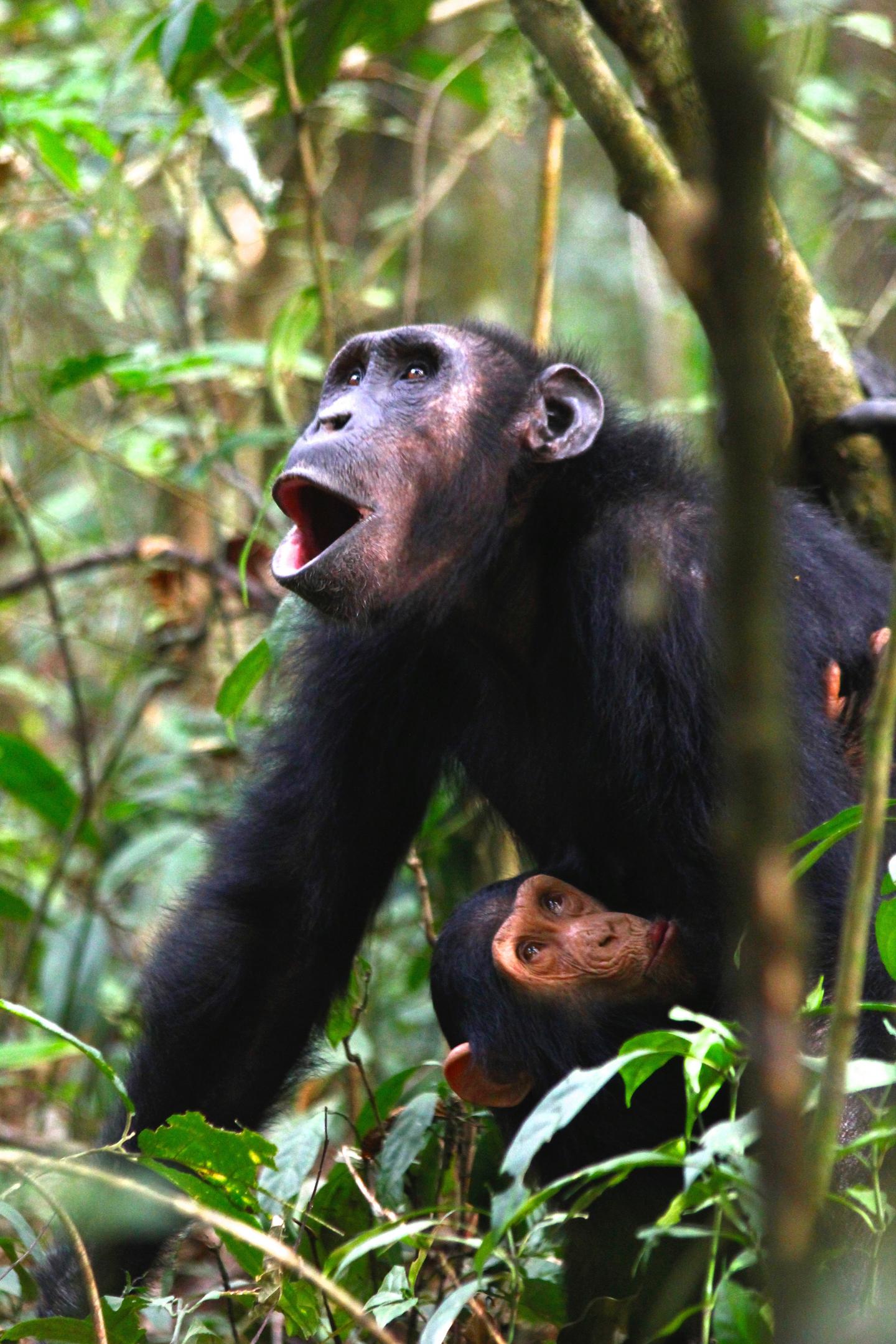
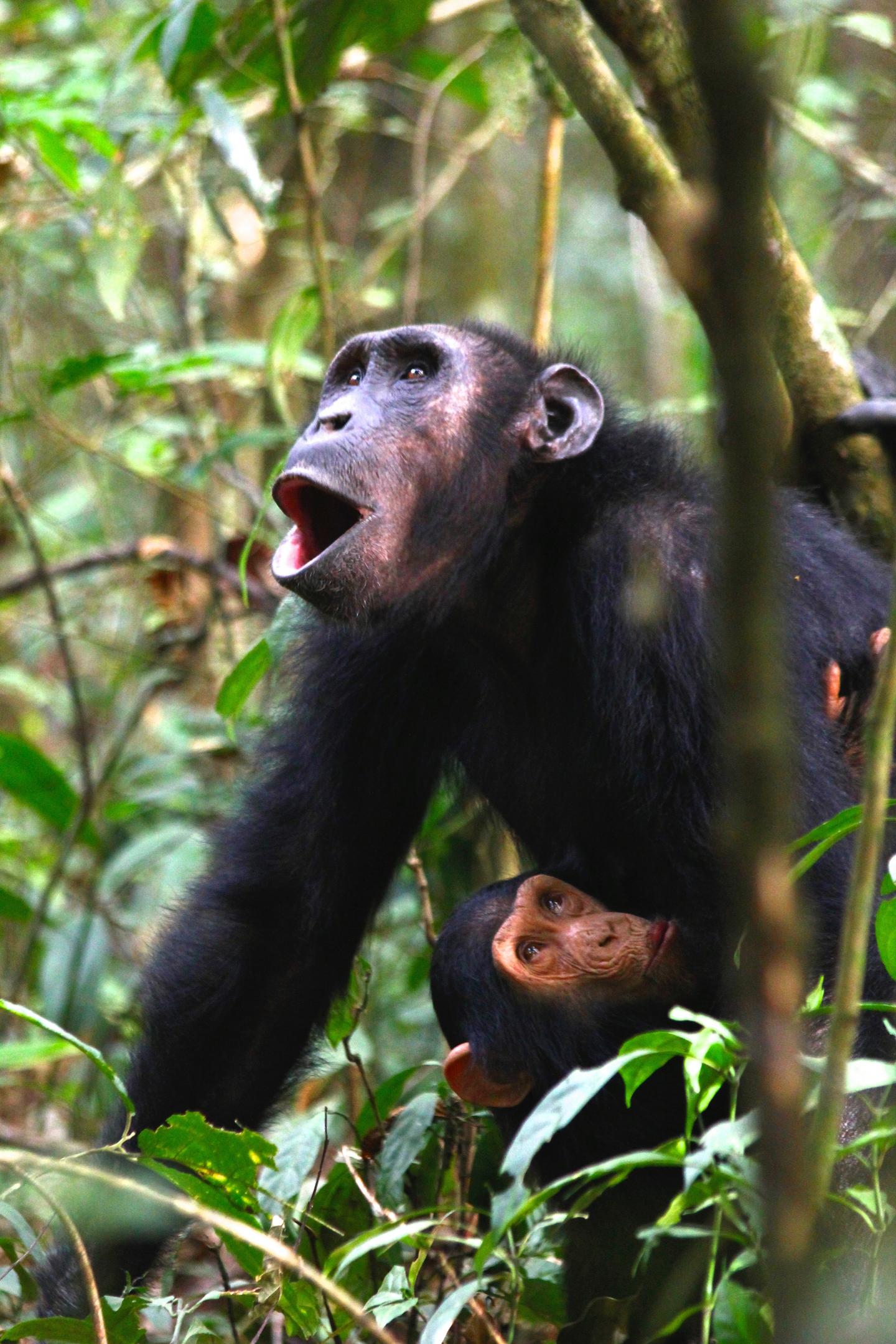
IMAGE

Credit: Liran Samuni

Studies examining animal alarm calls suggest species which require different escape responses for different predators are more likely to have correspondingly different alarm calls, facilitating appropriate escape responses from receivers. However, what causes calls to diversify in less urgent contexts is little examined. "To address this, we examine a quiet contact vocalisation of chimpanzees, the 'hoo'", says Catherine Crockford of the Max Planck Institute for Evolutionary Anthropology. "We found that chimpanzees have at least three acoustically different 'hoo' variants, each given in a different behavioural context: alert, travel and rest."

In order to maintain cohesion, chimpanzee receivers must respond differently to signallers in each context: in rest contexts, receivers must stay in the vicinity of signallers, in travel contexts, receivers must approach signallers, and in alert contexts, receivers must approach signallers slowly. "Chimpanzees benefit from cooperating with bond partners, and are thus particularly likely to gain from staying close to cooperation partners", says Crockford. "However, chimpanzees live in low visibility habitat, such that even when separated by short distances visual signals or non-specific vocal signals are likely to be unreliable in maintaining cohesion. Thus, encoding contextual information in quiet 'hoos' may facilitate cohesion – and therefore cooperation."

One particularly interesting feature of the hoos is the low emotional arousal associated with their production, and that acoustic properties of the three hoo variants cannot be easily explained by emotional state, although this is a common explanation for call diversification in non-human animals. The need to stay together in low visibility habitat may have facilitated the evolution of different calls, with each call informing receivers how to behave in order for signaller and receiver to stay together. Whilst all the hoo variants like indicate a desire to stay together, rest hoos may specifically indicate to receivers that they should stay put, whilst travel hoos may indicate that receivers should approach signallers, and alert hoos, that receivers should approach signallers slowly. "One factor driving the evolution of call diversification may have been the demands of cooperative activities," concludes Crockford.

###

Contact:

Dr. Catherine Crockford
Max Planck Institute for Evolutionary Anthropology, Leipzig
+49 341 3550-220
[email protected]

Media Contact

Sandra Jacob
[email protected]
49-341-355-0122

http://www.eva.mpg.de

Related Journal Article

http://dx.doi.org/10.1098/rsos.172066

Share12Tweet8Share2ShareShareShare2

Related Posts

People With Disabilities Face Much Higher Rates of Alcohol Use Disorder

July 14, 2026

First Space Diagnostic X-rays Signal a New Era for Astronaut Health

July 14, 2026

Treatment delays in colorectal cancer linked to higher metastasis risk thresholds

July 14, 2026

Neurological Symptoms Linked to Hantavirus Infection Revealed

July 14, 2026
Please login to join discussion

POPULAR NEWS

  • New Drug Candidate Developed at McMaster Shows Potential for Treating Brain Cancer

    58 shares
    Share 23 Tweet 15
  • Detection of EDCs in Breast Milk and Infant Urine Up to Six Months Highlights Early Exposure Risks

    77 shares
    Share 31 Tweet 19
  • Experimental Therapy Simultaneously Destroys Prostate Tumor Cells and Reactivates Antitumor Immunity

    46 shares
    Share 18 Tweet 12
  • 高齢者の骨粗鬆症治療の持続性比較

    51 shares
    Share 20 Tweet 13

About

We bring you the latest biotechnology news from best research centers and universities around the world. Check our website.

Follow us

Recent News

Uncanny Valley Effect Detected in Macaques Using 3D Animated Monkey Avatars

Dual-Frequency Photoacoustic CT Reveals Clear Whole Brain, Centimeters Deep

Researchers Identify Therapeutic Vulnerability in Aggressive Childhood Leukemia

Subscribe to Blog via Email

Enter your email address to subscribe to this blog and receive notifications of new posts by email.

Join 85 other subscribers
  • Contact Us

Bioengineer.org © Copyright 2023 All Rights Reserved.

Welcome Back!

Login to your account below

Forgotten Password?

Retrieve your password

Please enter your username or email address to reset your password.

Log In
No Result
View All Result
  • Homepages
    • Home Page 1
    • Home Page 2
  • News
  • National
  • Business
  • Health
  • Lifestyle
  • Science

Bioengineer.org © Copyright 2023 All Rights Reserved.