Cell interactions and vesicle transport are critical regulators that control the expression of PD-1H, also known as VISTA, on the surface of human and mouse CD8+ T cells, according to a research study published in the journal Cell Communication and Signaling by Li Hu, Bingkun Chen, Lieping Chen, and co-authors. The investigation examines the regulatory biology of PD-1H, an established coinhibitory molecule that functions to regulate the T cell immune response and cellular quiescence across the immune system.
Under physiological conditions, both T cells and myeloid cells constitutively express the coinhibitory molecule PD-1H in their naïve status. However, experimental observation has shown that this surface expression is quickly lost when these cells are placed into in vitro cell culture. Prior to this study, the precise molecular mechanisms that regulate PD-1H surface expression and explain why it vanishes in culture had remained entirely unknown to immunologists.
Analyzing the behavior of activated CD8+ T cells in living tissue contexts, the researchers demonstrated that activated CD8+ T cells upregulate PD-1H expression upon infiltration into the spleen or into tumor tissues. The study revealed that higher cell density and physical cell interactions within the local tissue environment are the key factors that maintain cell surface PD-1H expression on these infiltrating CD8+ T cells.
They found that the rapid loss of PD-1H from the cell surface is attributed to an internalization process that utilizes a clathrin-sensitive pathway.
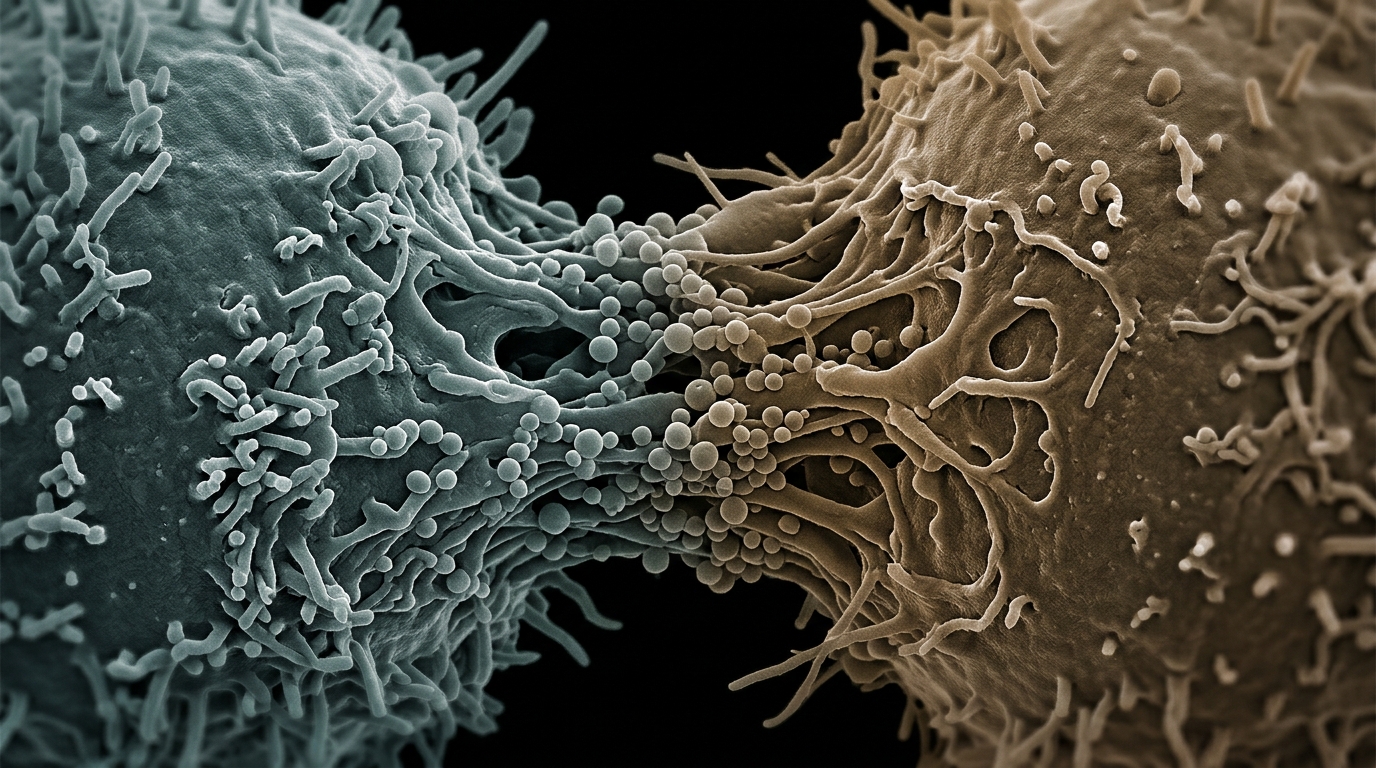
The study also evaluated the immunological consequences of direct contacts between T cells and malignant cells. Direct T cell–tumor cell interactions were found to significantly increase PD-1H surface expression on CD8+ T cells.
Overall, these findings provide essential biological insights into the regulation of PD-1H surface expression on human and mouse CD8+ T cells. By demonstrating how cell density, direct cellular interactions, and vesicle recycling govern the presence of this coinhibitory molecule, the authors highlight the critical importance of PD-1H cell surface expression levels in regulating the cytotoxic activity of CD8+ T cells.
Subject of Research: Regulation of PD-1H surface expression on CD8+ T cells
Article Title: PD-1H (VISTA) expression on the CD8+ T cell surface is dependent on cell interactions and recycling by vesicle transport
Article References: Hu, L., Chen, B., Che, Y., Chen, Y., Xiao, Y., Chen, L., & Chen, L. (2026). PD-1H (VISTA) expression on the CD8+ T cell surface is dependent on cell interactions and recycling by vesicle transport. Cell Communication and Signaling. https://doi.org/10.1186/s12964-026-03287-z
Image Credits: AI Generated
DOI: 10.1186/s12964-026-03287-z
Keywords: PD-1H, VISTA, CD8+ T cells, coinhibitory molecules, vesicle transport, cell interactions, clathrin-sensitive pathway, cell surface expression, immune escape, cytotoxic activity, effector molecules, FasL, IFN-γ, tumor tissue infiltration, spleen infiltration, myeloid cells, T cell quiescence
News Source: Drew Townsend. (November 17, 2026). Cell Interactions and Vesicle Transport Regulate PD-1H on CD8+ T Cells. Scienmag.