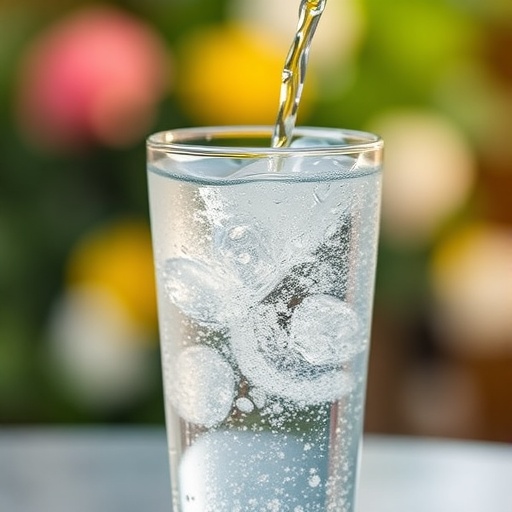
Sparkling water is often positioned as a soda alternative, but a new experimental study suggests the details matter: unsweetened sparkling water appears to reduce mouth acidity less than sugar-sweetened soda, at least in the short term. The findings add nuance to a long-standing dental concern—how quickly drinks can tip the mouth toward conditions that promote enamel erosion.
To understand risk, researchers focused on salivary pH, a real-time indicator of how acidic the mouth becomes after drinking. When pH falls below roughly 5.5, acids can begin to dissolve tooth enamel. Instead of comparing only the beverages’ chemical acidity, the study tracked the mouth’s response over minutes.
The experiment included 20 adults who received, in a controlled design, four drinks: sugar-sweetened soda, regular sparkling water, calcium-fortified sparkling water, and plain water. Using the same participants across conditions helped reduce person-to-person variation in baseline salivary chemistry.
Soda produced the strongest effect, driving salivary pH significantly lower than plain water at both 2 and 20 minutes after consumption. This pattern aligns with the known ability of sugar-sweetened sodas to create acid conditions that persist long enough to be concerning for enamel.
Unsweetened sparkling water without calcium caused a temporary drop in salivary pH at 2 minutes, while calcium-fortified sparkling water showed a decrease at 5 minutes. Importantly, for both sparkling-water types, salivary pH rebounded toward near-baseline values by 20 minutes.
Across drink types, saliva rapidly corrected the mouth environment after ingestion, keeping pH above the enamel-damage threshold. The key message is not that sparkling water is “acid-free,” but that its pH impact appears shorter-lived than soda’s in this acute setting.
The researchers emphasize limitations: the study measured short-term salivary pH rather than direct enamel outcomes. Real-world dental erosion risk will depend on factors such as how often beverages are consumed, how long acidic exposure lasts, and whether sugars are present.
Overall, the results support a preventive strategy that many people already consider—swapping soda for unsweetened sparkling water—especially when paired with good oral hygiene and mindful consumption. The team also points to an opportunity for beverage reformulation to further reduce erosive potential.
Next steps include longer-term testing to determine whether sparkling water changes other aspects of the oral environment that influence durability of enamel over time. The work will be presented at NUTRITION 2026, highlighting a potentially viral “swap” message for tooth-friendly beverage choices.
Subject of Research: Mouth acidity and dental erosion risk from beverages
Article Title: Sparkling water lowered mouth acidity less than sugar-sweetened soda, study finds
News Publication Date: July 26, 2026
Web References: https://nutrition2026.eventscribe.net/ajaxcalls/PosterInfo.asp?PosterID=811830 ; https://www.dropbox.com/scl/fi/xgfbesg0quo605vkm0fwy/Zulfiqar-sparkling-water-abstract.pdf?rlkey=qkituhfm9imv9wo48m7tc17el&dl=0
References: NUTRITION 2026 Clinical Nutrition II Poster Session abstract and presentation materials
Image Credits: Wajiha Zulfiqar, Purdue University
Keywords
sparkling water, salivary pH, sugar-sweetened soda, dental erosion, enamel protection, calcium-fortified water, oral acidity, NUTRITION 2026
Tags: calcium-fortified sparkling water and oral healthcomparative study of soda and sparkling waterdental implications of carbonated beverageseffects of beverage acidity on dental enamelenamel erosion risk from different beveragesimpact of sparkling water on tooth enamelmouth acidity response to sparkling watersalivary pH and tooth erosionshort-term effects of carbonated drinks on teethsoda vs sparkling water acid effectssparkling water dental healthsugar-sweetened soda and dental erosion