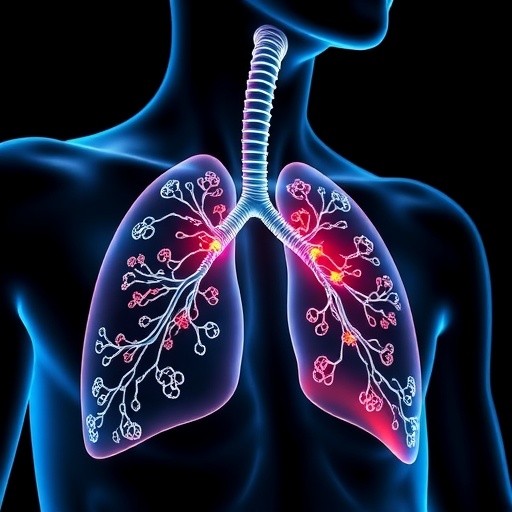
In a groundbreaking study poised to reshape our understanding of neonatal lung injury, researchers have unveiled how caffeine acts as a molecular shield against bronchopulmonary dysplasia (BPD), a chronic lung disease afflicting premature infants. The study illuminates a sophisticated biochemical pathway where caffeine’s inhibition of hyperoxia-induced signaling cascades curbs the formation of harmful neutrophil extracellular traps (NETs) within the delicate lung environment. This revelation offers a promising therapeutic avenue for protecting vulnerable newborns from the devastating impacts of oxygen toxicity.
Bronchopulmonary dysplasia remains a formidable challenge in neonatal care, often developing in preterm infants who require supplemental oxygen therapy. While crucial for survival, prolonged exposure to high oxygen concentrations paradoxically contributes to lung tissue damage, inflammation, and impaired alveolar development. The current investigation deciphers the molecular cogs turning within type II alveolar epithelial cells—cells vital for maintaining lung integrity—and identifies how caffeine effectively disrupts a key pro-inflammatory signaling axis triggered by hyperoxia.
Central to the pathogenesis is the activation of the adenosine A2A receptor (A2AR), which under hyperoxic conditions initiates downstream cascades involving extracellular signal-regulated kinase (ERK) and p38 mitogen-activated protein kinase (MAPK). These kinases subsequently elevate the expression of interleukin-8 (IL-8), a potent chemokine that recruits and activates neutrophils. Activated neutrophils release NETs, web-like chromatin structures embedded with antimicrobial proteins, which, while originally designed to trap pathogens, can exacerbate lung injury when dysregulated. By elucidating how caffeine suppresses this A2AR-ERK/p38 MAPK-IL-8 axis, the research decrypts the molecular crosstalk that culminates in NET formation and tissue damage.
The study employed rigorous in vitro models using cultured type II alveolar epithelial cells exposed to hyperoxic conditions mimicking therapeutic oxygen levels administered clinically. Treatment with caffeine markedly attenuated the phosphorylation of ERK and p38 MAPK, thereby reducing IL-8 secretion. This decrease in IL-8 effectively blunted the recruitment and activation of neutrophils. Parallel assays confirmed a significant decline in NET formation, underscoring how caffeine’s modulatory effect translates into tangible suppression of inflammatory toxic cascades at the cellular level.
This mechanistic insight resonates with existing clinical observations where caffeine therapy, traditionally used to stimulate respiratory drive in premature infants, coincidentally correlated with lowered incidence of BPD. However, prior to this study, the molecular underpinnings of caffeine’s protective effect remained elusive. By establishing a clear link between A2AR signaling and NETs in the context of hyperoxia, the researchers have provided a molecular rationale for caffeine’s dual therapeutic role. This nuanced understanding elevates caffeine beyond supportive care, positioning it as a targeted intervention in neonatal lung disease.
Further deepening the implications, the study highlights that the pathophysiological interplay between oxidative stress and immune cell activation is more intricate than previously appreciated. The crosstalk of epithelial and immune cells, mediated through IL-8, orchestrates a self-perpetuating cycle of inflammation and tissue injury. The disruption of this feedback loop by caffeine offers hope that strategic modulation of receptor-mediated signaling might prevent the chronic complications of oxygen therapy without compromising its essential benefits.
The researchers also point out potential translational opportunities. Given caffeine’s established safety profile and widespread use in neonatal intensive care units worldwide, incorporating its anti-inflammatory capacities offers an expedient pathway to enhance therapeutic protocols. Prospective clinical trials could evaluate optimized dosing strategies to maximize lung protection while continuing to support respiratory function, potentially reshaping guidelines for neonatal care of preterm infants.
On a broader biological scale, the findings beckon exploration into whether similar A2AR-ERK/p38 MAPK-mediated NET formation mechanisms contribute to other inflammatory diseases exacerbated by oxidative stress. The convergence of adenosine signaling and MAP kinase pathways may represent a common axis of tissue injury in conditions ranging from acute respiratory distress syndrome to chronic inflammatory lung ailments in adults. Caffeine or molecules targeting similar pathways could inspire innovative anti-inflammatory therapies in diverse clinical realms.
Methodologically, the study’s comprehensive approach integrates molecular biology techniques with functional assays to map the signaling cascade precisely. Western blotting elucidated kinase activation states, ELISA quantified cytokine levels, and fluorescent staining visualized NET structures. This multi-pronged strategy ensured robust evidence linking caffeine’s molecular effects to functional outcomes, strengthening the conclusions’ validity.
Moreover, the research underscores the critical role of type II alveolar epithelial cells not merely as passive structural elements but as active modulators of immune responses within the pulmonary microenvironment. By generating IL-8 in response to hyperoxia, these epithelial cells serve as pivotal instigators of neutrophil-mediated damage. Targeting this cellular source of inflammatory cues could therefore offer a strategic point of intervention in mitigating lung injury.
The study also paves the way for future investigations into how other environmental and pharmacologic factors modulate adenosine receptor signaling and MAPK activity within neonatal lungs. Such insights could lead to combination therapies that synergize with caffeine or new drug designs that selectively dampen harmful inflammatory responses without impeding necessary physiological processes.
In conclusion, this research marks a seminal advance in understanding the molecular dialogues underlying oxygen toxicity and lung injury in neonates. Caffeine emerges as a powerful modulator capable of breaking the vicious cycle of inflammation and tissue damage through targeted inhibition of the A2AR-driven ERK/p38 MAPK-IL-8 pathway. These findings ignite fresh hope for preventing bronchopulmonary dysplasia, improving outcomes for the most vulnerable patients, and potentially extending therapeutic benefits across a spectrum of inflammatory diseases where NET formation is a culprit.
As neonatal medicine continues to evolve, bridging molecular insights with clinical application becomes imperative. The elucidation of caffeine’s role in mitigating hyperoxia-induced NET formation exemplifies how revisiting known compounds with a molecular lens can reveal untapped therapeutic potential. This integration of mechanistic research with clinical relevance heralds a new chapter in combating the complex challenges of premature infant care and beyond.
This paradigmatic research not only enriches the scientific narrative around BPD pathogenesis but may also inspire a reevaluation of widely used clinical agents through the prism of molecular immunology. It exemplifies the transformative power of precision medicine, where dissecting cellular pathways guides safer and more effective interventions. Ultimately, such strides contribute to the grander mission of alleviating suffering and enhancing quality of life for patients born too soon.
Subject of Research: Caffeine’s molecular inhibition of hyperoxia-induced inflammatory signaling and NET formation in bronchopulmonary dysplasia.
Article Title: Caffeine inhibited the hyperoxia-induced A2AR-ERK/p38 MAPK-IL-8 pathway in type II alveolar epithelial cells to suppress NETs formation in bronchopulmonary dysplasia.
Article References:
Wang, X., Song, Y., Yu, L. et al. Caffeine inhibited the hyperoxia-induced A2AR-ERK/p38 MAPK-IL-8 pathway in type II alveolar epithelial cells to suppress NETs formation in bronchopulmonary dysplasia. Pediatr Res (2026). https://doi.org/10.1038/s41390-026-04881-0
Image Credits: AI Generated
DOI: 29 April 2026
Tags: adenosine A2A receptor signalingbronchopulmonary dysplasia treatmentcaffeine inhibition of hyperoxia pathwaychronic lung disease in neonatesERK and p38 MAPK in lung injuryIL-8 mediated neutrophil recruitmentmolecular mechanisms of lung inflammationneonatal lung inflammation reductionneutrophil extracellular traps in lungsoxygen toxicity in premature infantstherapeutic strategies for BPDtype II alveolar epithelial cell protection