


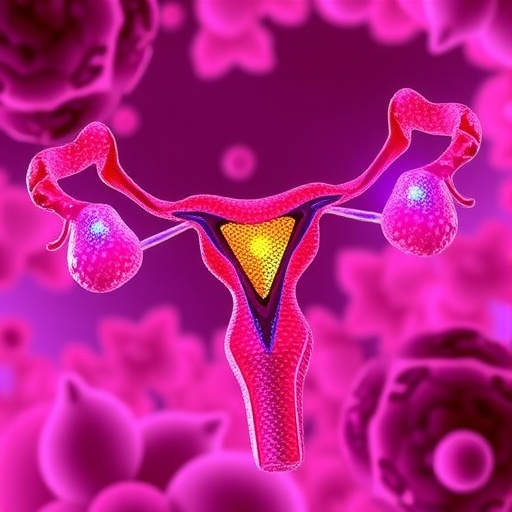
Recent research has shed light on the intricate relationship between genetic factors and the progression of ovarian cancer, a malignancy known for its aggressive nature and poor prognosis. In a groundbreaking study led by Rogachevskaya et al., evidence from pan-cancer profiling has linked the gene C1orf50 to essential processes in DNA repair and immune modulation within ovarian cancer contexts. This discovery opens new avenues for both understanding the underlying biology of ovarian cancer and developing novel therapeutic strategies.
The findings emerged from a comprehensive analysis involving multiple tumor types, exploring the role of C1orf50 across various cancers. Ovarian cancer, in particular, has long been acknowledged for its complex molecular landscape, and C1orf50’s involvement in key cellular functions like DNA repair is indeed noteworthy. This gene appears to play a significant role in maintaining genomic stability — a crucial factor for preventing mutations that can lead to tumorigenesis.
C1orf50 has garnered attention in cancer research due to its potential mechanisms impacting DNA repair pathways. Specifically, the study investigates how this gene interacts with existing cellular repair systems when DNA damage occurs. Proficient DNA repair is vital for the survival of tumor cells, allowing them to resist conventional therapies that aim to induce DNA damage. Understanding how C1orf50 coordinates with these pathways could facilitate the development of targeted therapies that enhance the efficacy of existing treatments.
The ramifications of C1orf50’s involvement extend beyond genetic repair. The study highlights its role in immune modulation, an area that is gaining traction in oncology as immune evasion is a hallmark of many cancers, including ovarian. By investigating how C1orf50 affects the immune microenvironment around tumors, the research delves into whether enhancing the immune response could be a viable strategy for combating ovarian cancer, potentially leading to better patient outcomes.
In light of these findings, the potential for therapeutic interventions targeting C1orf50 emerges. The study meticulously details how inhibiting or upregulating this gene might impact overall tumor behavior and immune interactions. Given the current landscape of immunotherapy, this presents an exciting new direction that aligns with the ongoing quest in the field to rejuvenate immune responses against tumors.
Moreover, the integration of C1orf50 profiling across various cancer types elucidates its pan-cancer significance. This broad perspective not only amplifies its relevance in ovarian cancer but also positions it as a candidate for further exploratory studies across different malignancies. The pan-cancer profiling methodology applied in this research provides a framework for understanding shared genetic vulnerabilities across diverse tumor presentations, a concept that could lead to novel therapeutic strategies that transcend specific cancer types.
Furthermore, the implications for personalized medicine also arise from this study. As clinicians strive to tailor therapies to individual patient profiles, incorporating biomarkers like C1orf50 may inform treatment decisions, offering a pathway towards more effective and individualized cancer care. This aligns with the growing understanding that a one-size-fits-all approach to cancer treatment is increasingly outdated.
Researchers have also discussed the necessity for additional studies to confirm and expand upon these findings. Investigating the mechanisms by which C1orf50 regulates both DNA repair and immune evasion could elucidate crucial pathways that have been overlooked in current oncology research. There’s a pressing need to explore how the modulation of this gene influences tumor progression and patient responses to therapies, particularly in clinical settings.
Given the current advancements in genomic and proteomic technologies, future research endeavors are likely to validate and operationalize these findings. The goal will be to not only elucidate C1orf50’s function but also translate these insights into viable clinical applications that could one day improve survival rates and quality of life for ovarian cancer patients.
In summary, Rogachevskaya et al.’s study represents a significant leap forward in our understanding of the interplay between genetics, cancer biology, and immune response. By connecting C1orf50 to pivotal roles in DNA repair and immune modulation in ovarian cancer, the research sets the stage for invigorated efforts in therapeutic development. Patients and healthcare providers alike may soon benefit from innovative strategies rooted in this groundbreaking genetic research, underscoring the importance of continued investment in comprehensive cancer studies.
As the scientific community digests these findings, the anticipation for clinical trials targeting C1orf50-specific pathways continues to grow. Progressing from laboratory insights to therapeutic outcomes is a challenging yet rewarding journey fraught with both obstacles and opportunities. With collaboration across disciplines, the potential for meaningful advancements in ovarian cancer treatment emerges on the horizon.
In conclusion, the extensive research linking C1orf50 to significant biological processes in ovarian cancer not only lays the groundwork for future investigations but also highlights the importance of individual genes in the broader narrative of cancer treatment and biology. The journey towards unraveling the complexities of ovarian cancer is ongoing, but studies such as this markedly contribute to the wisdom necessary for conquering this formidable disease.
Subject of Research: C1orf50 in ovarian cancer and its roles in DNA repair and immune modulation.
Article Title: Pan-cancer profiling links C1orf50 to DNA repair and immune modulation in ovarian cancer.
Article References:
Rogachevskaya, A., Otani, Y., Ohtsu, A. et al. Pan-cancer profiling links C1orf50 to DNA repair and immune modulation in ovarian cancer. J Ovarian Res (2025). https://doi.org/10.1186/s13048-025-01916-8
Image Credits: AI Generated
DOI:
Keywords: C1orf50, ovarian cancer, DNA repair, immune modulation, pan-cancer profiling, personalized medicine.
Tags: C1orf50 gene role in ovarian cancercancer research breakthroughs 2023DNA repair mechanisms in cancergenetic factors influencing ovarian cancer progressiongenomic stability and cancer preventionimmune modulation in ovarian malignanciesmolecular landscape of ovarian cancernovel treatments for aggressive cancerspan-cancer profiling studiestherapeutic strategies targeting ovarian cancertumorigenesis and DNA damage responseunderstanding cancer biology through genetics



