

• HOME
  • NEWS
  • EXPLORE
    • CAREER
      • Companies
      • Jobs
    • EVENTS
    • iGEM
      • News
      • Team
    • PHOTOS
    • VIDEO
    • WIKI
  • BLOG
  • COMMUNITY
    • FACEBOOK
    • INSTAGRAM
    • TWITTER
Thursday, June 25, 2026
BIOENGINEER.ORG
No Result
View All Result
  • Login
  • HOME
  • NEWS
  • EXPLORE
    • CAREER
      • Companies
      • Jobs
        • Lecturer
        • PhD Studentship
        • Postdoc
        • Research Assistant
    • EVENTS
    • iGEM
      • News
      • Team
    • PHOTOS
    • VIDEO
    • WIKI
  • BLOG
  • COMMUNITY
    • FACEBOOK
    • INSTAGRAM
    • TWITTER
  • HOME
  • NEWS
  • EXPLORE
    • CAREER
      • Companies
      • Jobs
        • Lecturer
        • PhD Studentship
        • Postdoc
        • Research Assistant
    • EVENTS
    • iGEM
      • News
      • Team
    • PHOTOS
    • VIDEO
    • WIKI
  • BLOG
  • COMMUNITY
    • FACEBOOK
    • INSTAGRAM
    • TWITTER
No Result
View All Result
Bioengineer.org
No Result
View All Result
Home NEWS Science News Health

Building a flu factory from host cell components

Bioengineer by Bioengineer
September 28, 2018
in Health
Reading Time: 2 mins read
0
Share on FacebookShare on TwitterShare on LinkedinShare on RedditShare on Telegram
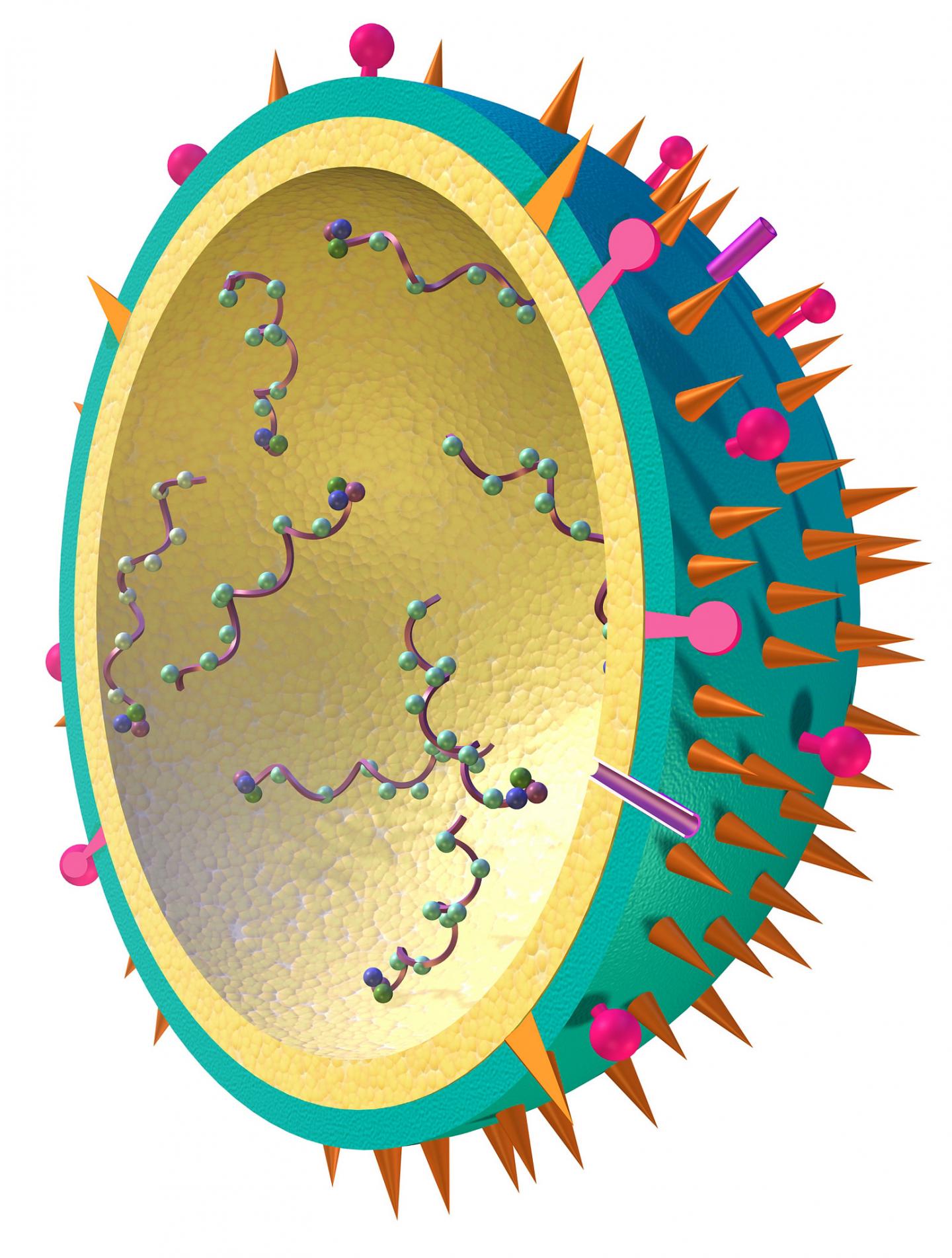
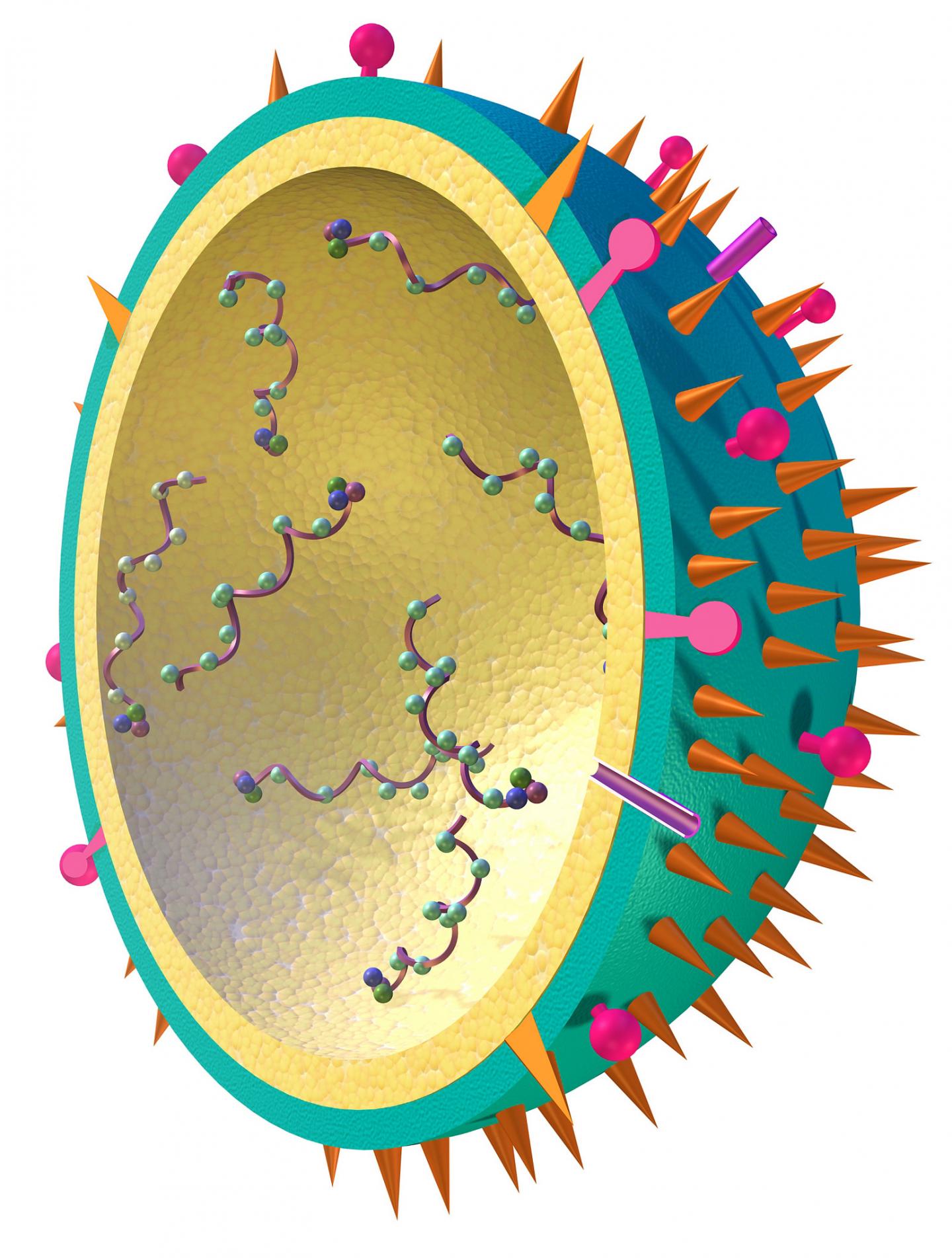
IMAGE

Credit: National Institute of Allergy and Infectious Diseases, National Institutes of Health

Perhaps inspired by the annual 3 to 5 million cases of severe influenza worldwide, the Guinness World Record organization is advertising for individuals or organizations to attempt a record for the most people getting a flu awareness lesson at once. Meanwhile, a smaller group of people is making a more focused attempt to learn about lots of flu proteins. Andrea C. Becker at the University of Freiburg and her colleagues in Germany and Switzerland investigated the effect of the flu-causing virus, influenza A, on three lung-derived cell lines and published their results in the journal Molecular & Cellular Proteomics.

The study quantified virus-induced changes in protein levels and found that a majority of the changes are cell-line specific. More specifically, they quantified the protein levels of 70 percent of the roughly 7,000 proteins they could detect using a mass spectrometry-based isotope labeling approach known as SILAC. Influenza infection of lung cells changed the overall abundance of only a few proteins, mostly related to immunity, but SILAC comparisons showed that the virus changes the cellular location of many proteins. In particular, the authors detected an increase in viral and ribosomal proteins in the autophagosome, which they linked to a reduction in successful autophagy, suggesting that the virus may hijack autophagosomes, perhaps using the compartments for viral protein translation.

###

DOI: 10.1074/mcp.RA117.000364

Molecular & Cellular Proteomics (MCP) showcases research into proteomes, large-scale sets of proteins from different organisms or biological contexts. The journal publishes work that describes the structural and functional properties of proteins and their expression, particularly with respect to developmental time courses. Emphasis is placed on determining how the presence or absence of proteins affect biological responses, and how the interaction of proteins with their cellular partners influences their functions. For more information about MCP, visit http://www.mcponline.org.

Media Contact

Laurel Oldach
[email protected]
240-283-6648
@asbmb

http://www.asbmb.org

Related Journal Article

http://dx.doi.org/10.1074/mcp.RA117.000364

Share12Tweet8Share2ShareShareShare2

Related Posts

Tracking Lanthanide-Labeled Microplastics in Plants

June 25, 2026

Neural Design Enables Zero-Shot Drug-Binding Proteins

June 25, 2026

Genomic Insights into Human Skin Fungi Diversity

June 25, 2026

Chiral Laser Gyroscopes Surpass Lock-In Limit

June 25, 2026
Please login to join discussion

POPULAR NEWS

  • Saying Goodbye to PGY-6: Pediatric Fellowship Realities

    103 shares
    Share 41 Tweet 26
  • Multi-Hospital Study Reveals Long Covid Burden Is Twice as High as Current Estimates

    92 shares
    Share 36 Tweet 23
  • Detection of EDCs in Breast Milk and Infant Urine Up to Six Months Highlights Early Exposure Risks

    77 shares
    Share 31 Tweet 19
  • New Drug Candidate Developed at McMaster Shows Potential for Treating Brain Cancer

    58 shares
    Share 23 Tweet 15

About

We bring you the latest biotechnology news from best research centers and universities around the world. Check our website.

Follow us

Recent News

Tracking Lanthanide-Labeled Microplastics in Plants

POSTECH Researchers Slash Cost of Reconstituted Cell-Free Systems by 95%

AI and Physics Collaborate to Design Advanced Hydrogen Storage Materials

Subscribe to Blog via Email

Success! An email was just sent to confirm your subscription. Please find the email now and click 'Confirm' to start subscribing.

Join 82 other subscribers
  • Contact Us

Bioengineer.org © Copyright 2023 All Rights Reserved.

Welcome Back!

Login to your account below

Forgotten Password?

Retrieve your password

Please enter your username or email address to reset your password.

Log In
No Result
View All Result
  • Homepages
    • Home Page 1
    • Home Page 2
  • News
  • National
  • Business
  • Health
  • Lifestyle
  • Science

Bioengineer.org © Copyright 2023 All Rights Reserved.