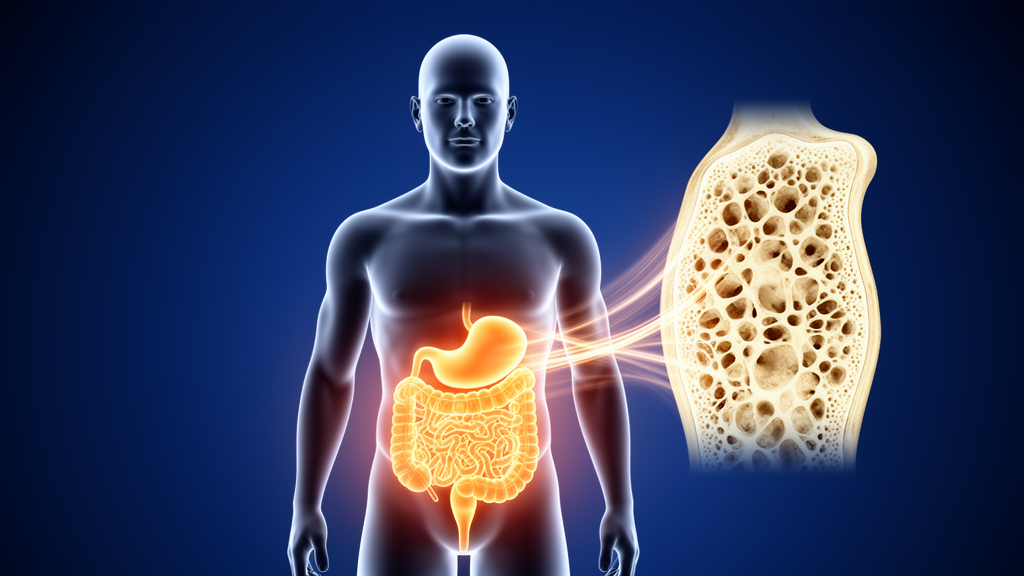
People living with diabetes or prediabetes face a heightened risk of bone loss, and a new cross-sectional study suggests that four simple body-shape measurements may help flag who is most affected. Using national survey data, researchers found that higher values of four novel anthropometric indices — the A Body Shape Index (ABSI), the Weight-adjusted Waist Index (WWI), the Waist-to-Height Ratio (WHtR) and the Body Roundness Index (BRI) — were each associated with a greater prevalence of bone loss, defined as osteopenia or osteoporosis, among adults with dysglycemia.
The analysis drew on the National Health and Nutrition Examination Survey (NHANES), a nationally representative US survey, and included 4,683 participants aged 20 and older who had diabetes or prediabetes. Of these, 1,814 were identified as having bone loss. The study is published as open access research in BMC Endocrine Disorders.
The investigators used weighted multivariable logistic regression to probe the links between the anthropometric indices and bone loss, adjusting for a panel of covariates. Compared with participants in the lowest quartile of each index, those in the highest quartile showed increased prevalence of bone loss: the odds ratio was 1.07 for ABSI, 1.09 for WHtR, 1.13 for WWI and 1.09 for BRI after full adjustment.
Because the size of these associations was modest, the researchers also examined the shape of the relationships using restricted cubic spline curves. These analyses indicated a linear dose-response relationship between ABSI and WWI and bone loss, while the relationships for WHtR and BRI were non-linear. In other words, for waist-based measures such as ABSI and WWI, the association with bone loss rose steadily across the range of values, whereas for WHtR and BRI the pattern deviated from a straight line.
Diagnostic performance was assessed with receiver operating characteristic (ROC) curves. The areas under the curve were 0.778 for ABSI, 0.781 for WHtR, 0.783 for BRI and 0.782 for WWI — values that were closely clustered across all four indices.
The study also explored whether the association differed across subgroups of the population. Significant interactions were found for factors including age, hypertension and alcohol consumption, suggesting that the relationship between central adiposity measures and bone loss may vary depending on these characteristics.
The background for the work lies in earlier observations that the prevalence of bone loss is significantly increased among patients with diabetes and prediabetes, and that this is closely associated with obesity indicators such as waist circumference and body weight.
The authors conclude that their findings reveal a significant correlation between ABSI, WWI, BRI and WHtR levels and the prevalence of bone loss in patients with diabetes and prediabetes, and suggest that these indices could serve as valuable biomarkers for assessing bone loss in these populations.
Several caveats are important. The study is cross-sectional, so it can establish associations but not causation; it cannot determine whether higher central adiposity contributes to bone loss or whether both share common causes. The odds ratios were modest, with the fourth-quartile estimates ranging from 1.07 to 1.13 after full adjustment. As a cross-sectional analysis of a national survey population, the results describe prevalence patterns rather than clinical outcomes over time, and the reported interactions with age, hypertension and alcohol consumption point to heterogeneity that would need confirmation in longitudinal studies.
Subject of Research: Associations between novel anthropometric indices and bone loss in adults with diabetes and prediabetes
Article Title: Association between novel anthropometric indices and bone loss in patients with diabetes and prediabetes: findings from a national population-based study
Article References: Wu, J., Qin, K., Li, O., Wu, T., Wan, X., Xu, W., Li, Y., & Xu, R. (2026). Association between novel anthropometric indices and bone loss in patients with diabetes and prediabetes: findings from a national population-based study. BMC Endocrine Disorders. https://doi.org/10.1186/s12902-026-02700-5
Image Credits: AI Generated
DOI: 10.1186/s12902-026-02700-5
Keywords: bone loss, diabetes, prediabetes, anthropometric indices, ABSI, WWI, waist-to-height ratio, body roundness index, NHANES, osteopenia, osteoporosis, cross-sectional study
News Source: Ophelia Keating. (October 28, 2026). Body shape indices linked to bone loss in diabetes and prediabetes, NHANES analysis finds. Scienmag.