In groundbreaking research published in Angiogenesis, scientists have identified a critical role for Bone Morphogenetic Protein 9 (BMP9) in the development and regulation of pulmonary vessels. The study, led by Dunmore and colleagues, explores how the absence of BMP9 can lead to significant impairments in pulmonary vessel muscularization, a crucial process for maintaining healthy lung function. As the research unfolds, it reveals fascinating insights into the molecular mechanisms underpinning these processes and their relevance to therapeutic interventions, particularly regarding sensitivity to tamoxifen, a medication commonly used in breast cancer treatment.
The investigation began with the hypothesis that BMP9, a member of the BMP family linked to various physiological processes, plays a pivotal role in vessel development and adaptation. Researchers utilized innovative genetic engineering techniques to create a BMP9 knockout model, which allowed for the observation of biological changes resulting from the loss of this critical protein. The implications of such a knockout extended beyond mere vessel formation, implicating systemic effects that could influence overall health and disease resistance.
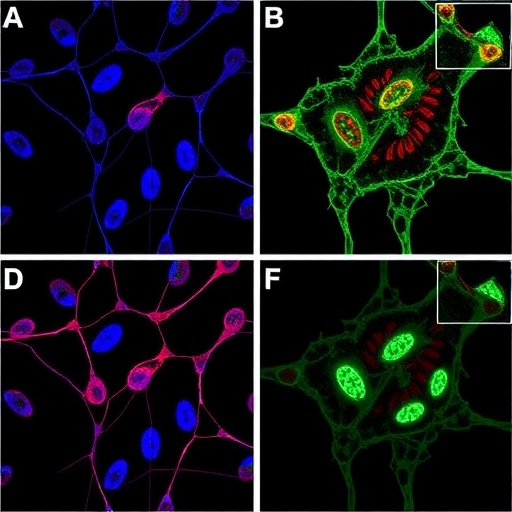
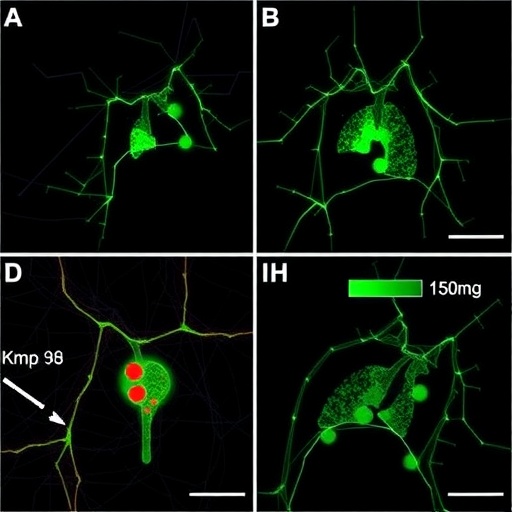
In terms of pulmonary vessel muscularization, the absence of BMP9 led to a striking observation—a marked reduction in the muscular coats of small pulmonary arteries. This finding is significant as adequate muscularization is essential for maintaining the structural integrity and function of pulmonary vasculature under various physiological demands. The study documented these alterations through detailed histological analyses, further confirming the essential role of BMP9 in developing healthy pulmonary architecture.
The researchers also turned their attention to the broader implications of BMP9 deficiency on drug response, particularly regarding tamoxifen. This drug is widely known for its role as a selective estrogen receptor modulator, and its effectiveness can be influenced by vascular changes within tumors. By examining the response of BMP9 knockout models to tamoxifen treatment, the team uncovered a perplexing sensitivity that was previously uncharted. This aberrant sensitivity might shed light on why certain patients experience inconsistent treatment outcomes.
In essence, the anomalies observed in the BMP9 knockout models could provide crucial insights into patient stratification for cancer therapies. The link between vascular integrity and treatment response opens new avenues for personalized medicine, where understanding individual variations in baseline vascular structure can lead to more tailored therapeutic interventions. The findings have the potential to not only improve the efficacy of existing treatments but also lead to the development of novel therapeutic agents targeting BMP pathways.
Moreover, the implications of BMP9 extend beyond its role in pulmonary health. Other studies have indicated its involvement in various pathophysiological conditions, suggesting that BMP9 could be a promising target for regenerative medicine and therapeutic interventions in other vascular-related diseases, including atherosclerosis and pulmonary hypertension. The ability of BMP9 to influence endothelial function and vascular remodeling might provide a dual strategy; enhancing its expression could promote recovery in diseased vessels, while inhibiting its action could be beneficial in contexts where vascular growth needs to be controlled.
The complexity of BMP signaling pathways presents unique challenges in developing therapeutic strategies based on these findings. BMP9 is known to interact with multiple other signaling molecules, creating a vast network of cellular communication that governs vessel behavior. Consequently, researchers must carefully navigate the balance between therapeutic enhancement and undesired side effects that may arise from altering BMP9 activity.
In conclusion, the study conducted by Dunmore et al. emphasizes the essential role of BMP9 in both pulmonary vessel muscularization and response to tamoxifen. By highlighting the intricate relationship between vascular development and cancer treatment, this research not only expands our understanding of vascular biology but also opens new frontiers for future investigations into therapeutic interventions. As the role of BMPs in health and disease continues to be elucidated, we anticipate further developments that will harness the power of these proteins in clinical applications.
This compelling study serves as a critical reminder of the dynamic interplay between developmental biology and therapeutic strategies. By elucidating the fundamental mechanisms at play, researchers are better equipped to design interventions that can yield more effective patient outcomes. The potential for BMP9 to be a central player in both the development of the pulmonary vascular system and cancer treatment highlights the fascinating avenues of research that lie ahead.
As we expand our grasp on the multifunctionality of BMP9, future studies will undoubtedly delve deeper into its molecular underpinnings and how these insights can lead to novel treatments in both vascular and oncological contexts. The journey of discovery continues, fueled by scientific inquiry and the relentless pursuit of knowledge that can ultimately improve health outcomes for patients worldwide.
Subject of Research: Role of BMP9 in Pulmonary Vessel Muscularization and Tamoxifen Sensitivity
Article Title: BMP9 knockout impairs pulmonary vessel muscularisation and confers aberrant tamoxifen sensitivity.
Article References:
Dunmore, B.J., Moore, S., Jones, R.J. et al. BMP9 knockout impairs pulmonary vessel muscularisation and confers aberrant tamoxifen sensitivity.
Angiogenesis 29, 5 (2026). https://doi.org/10.1007/s10456-025-10017-5
Image Credits: AI Generated
DOI: https://doi.org/10.1007/s10456-025-10017-5
Keywords: BMP9, pulmonary vessels, muscularization, tamoxifen, vascular biology, cancer treatment.
Tags: BMP family in physiological processesBMP9 knockout effectsBone Morphogenetic Protein 9 rolegenetic engineering in vessel researchimplications of BMP9 absenceinnovative research in angiogenesismolecular mechanisms of vessel developmentpulmonary health and disease resistancepulmonary vessel muscularizationsmall pulmonary arteries muscular coatstamoxifen sensitivity in lung developmenttherapeutic interventions in pulmonary diseases