• HOME
  • NEWS
  • EXPLORE
    • CAREER
      • Companies
      • Jobs
    • EVENTS
    • iGEM
      • News
      • Team
    • PHOTOS
    • VIDEO
    • WIKI
  • BLOG
  • COMMUNITY
    • FACEBOOK
    • INSTAGRAM
    • TWITTER
Thursday, June 4, 2026
BIOENGINEER.ORG
No Result
View All Result
  • Login
  • HOME
  • NEWS
  • EXPLORE
    • CAREER
      • Companies
      • Jobs
        • Lecturer
        • PhD Studentship
        • Postdoc
        • Research Assistant
    • EVENTS
    • iGEM
      • News
      • Team
    • PHOTOS
    • VIDEO
    • WIKI
  • BLOG
  • COMMUNITY
    • FACEBOOK
    • INSTAGRAM
    • TWITTER
  • HOME
  • NEWS
  • EXPLORE
    • CAREER
      • Companies
      • Jobs
        • Lecturer
        • PhD Studentship
        • Postdoc
        • Research Assistant
    • EVENTS
    • iGEM
      • News
      • Team
    • PHOTOS
    • VIDEO
    • WIKI
  • BLOG
  • COMMUNITY
    • FACEBOOK
    • INSTAGRAM
    • TWITTER
No Result
View All Result
Bioengineer.org
No Result
View All Result
Home NEWS Science News Biology

Blue roses could be coming soon to a garden near you

Bioengineer by Bioengineer
October 10, 2018
in Biology
Reading Time: 2 mins read
0
Share on FacebookShare on TwitterShare on LinkedinShare on RedditShare on Telegram
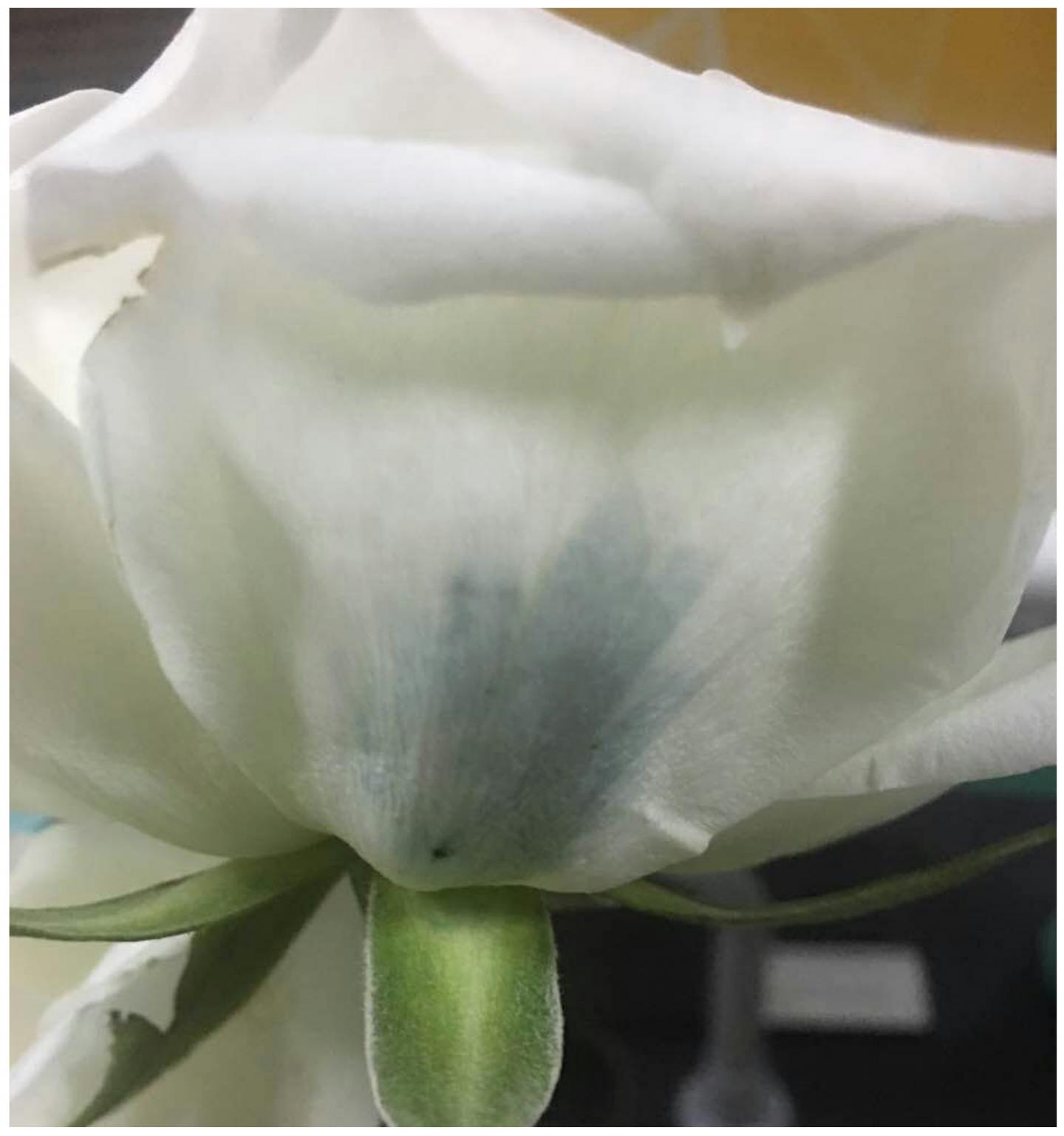
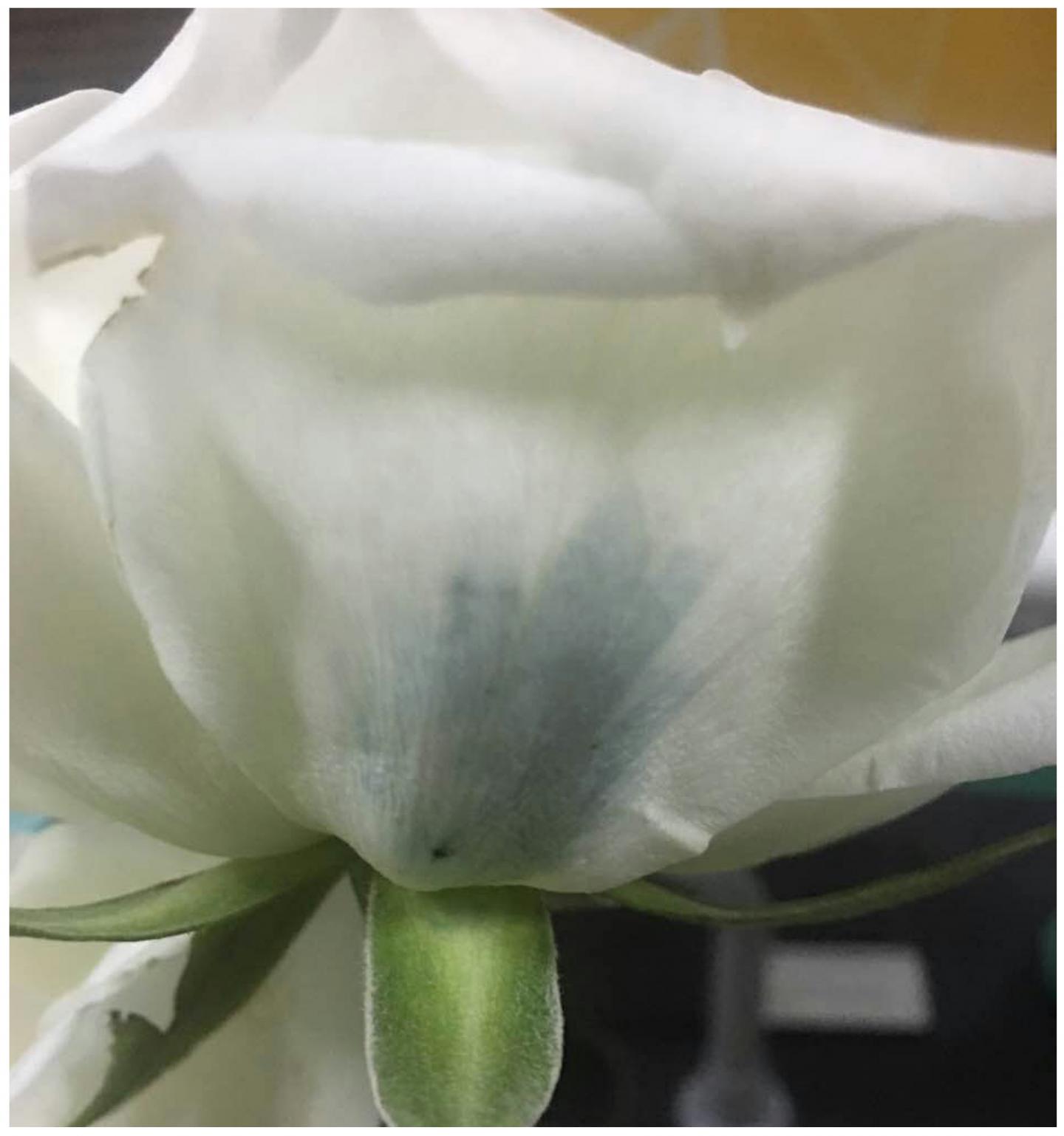
IMAGE

Credit: American Chemical Society

For centuries, gardeners have attempted to breed blue roses with no success. But now, thanks to modern biotechnology, the elusive blue rose may finally be attainable. Researchers have found a way to express pigment-producing enzymes from bacteria in the petals of a white rose, tinting the flowers blue. They report their results in ACS Synthetic Biology.

Although blue roses do not exist in nature, florists can produce blue-hued flowers by placing cut roses in dye. Also, in a painstaking 20-year effort, biotechnologists made a "blue rose" through a combination of genetic engineering and selective breeding. However, the rose is more mauve-colored than blue. Yihua Chen, Yan Zhang and colleagues wanted to develop a simple process that could produce a true-blue rose.

For this purpose, the researchers chose two bacterial enzymes that together can convert L-glutamine, a common constituent of rose petals, into the blue pigment indigoidine. The team engineered a strain of Agrobacterium tumefaciens that contains the two pigment-producing genes, which originate from a different species of bacteria. A. tumefaciens is often used in plant biotechnology because the bacteria readily inserts foreign DNA into plant genomes. When the researchers injected the engineered bacteria into a white rose petal, the bacteria transferred the pigment-producing genes to the rose genome, and a blue color spread from the injection site. Although the color is short-lived and spotty, the team states that the rose produced in this study is the world's first engineered blue rose. They say that the next step is to engineer roses that produce the two enzymes themselves, without the need for injections.

###

The authors acknowledge funding from the National Natural Science Foundation of China, the National Key Research and Development Program of China and the Foreign Young Talent Program.

The abstract that accompanies this study is available here.

The American Chemical Society, the world's largest scientific society, is a not-for-profit organization chartered by the U.S. Congress. ACS is a global leader in providing access to chemistry-related information and research through its multiple databases, peer-reviewed journals and scientific conferences. ACS does not conduct research, but publishes and publicizes peer-reviewed scientific studies. Its main offices are in Washington, D.C., and Columbus, Ohio.

To automatically receive news releases from the American Chemical Society, contact [email protected].

Follow us on Twitter | Facebook

Media Contact

Katie Cottingham
[email protected]
301-775-8455
@ACSpressroom

http://www.acs.org

Share12Tweet8Share2ShareShareShare2

Related Posts

Secure Firearm Storage Could Lower Lead Exposure Risk in Children Living with Guns — Biology

Secure Firearm Storage Could Lower Lead Exposure Risk in Children Living with Guns

June 4, 2026
AI-Driven CardioNVT Revolutionizes High-Throughput In Situ Cardiomyocyte Ploidy Analysis Without Immunostaining — Biology

AI-Driven CardioNVT Revolutionizes High-Throughput In Situ Cardiomyocyte Ploidy Analysis Without Immunostaining

June 4, 2026

How Cells Combat Infections from Within

June 4, 2026

Newly Discovered Velociraptor Relative Likely Glided on Four Wings and Preyed on Early Birds

June 4, 2026
Please login to join discussion

POPULAR NEWS

  • ESMO 2025: mRNA COVID Vaccines Enhance Efficacy of Cancer Immunotherapy

    321 shares
    Share 128 Tweet 80
  • Multi-Hospital Study Reveals Long Covid Burden Is Twice as High as Current Estimates

    88 shares
    Share 35 Tweet 22
  • Saying Goodbye to PGY-6: Pediatric Fellowship Realities

    74 shares
    Share 30 Tweet 19
  • Common Food Preservatives Associated with Elevated Blood Pressure and Increased Heart Disease Risk

    57 shares
    Share 23 Tweet 14

About

We bring you the latest biotechnology news from best research centers and universities around the world. Check our website.

Follow us

Recent News

Prioritizing Sleep to Alleviate Anxiety During Pregnancy, Study Finds

Study Reveals Older Adults Seldom Talk About Cannabis Use with Healthcare Providers

Study Finds Black Fathers Have Longer Lifespans Compared to Nonfathers

Subscribe to Blog via Email

Enter your email address to subscribe to this blog and receive notifications of new posts by email.

Join 82 other subscribers
  • Contact Us

Bioengineer.org © Copyright 2023 All Rights Reserved.

Welcome Back!

Login to your account below

Forgotten Password?

Retrieve your password

Please enter your username or email address to reset your password.

Log In
No Result
View All Result
  • Homepages
    • Home Page 1
    • Home Page 2
  • News
  • National
  • Business
  • Health
  • Lifestyle
  • Science

Bioengineer.org © Copyright 2023 All Rights Reserved.