A groundbreaking study has emerged from the intersection of molecular biology and oncology, revealing an innovative approach to overcoming chemotherapy resistance in bladder cancer. Researchers Wei, Xiao, Ren, and colleagues have discovered that inhibiting transglutaminase 2 (TGM2) significantly enhances the sensitivity of MSH2-deficient bladder cancer cells to cisplatin, one of the most commonly used chemotherapeutic agents. This revelation could herald a new era of personalized cancer treatment modalities, particularly for patients whose tumors have developed resistance to traditional therapies.
The challenge of chemoresistance remains a critical obstacle in effective cancer management. Cisplatin, while potent, often loses efficacy in a subset of bladder cancer patients due to genetic and cellular alterations that confer drug resistance. One such genetic factor is the deficiency of MSH2, a key protein involved in the DNA mismatch repair (MMR) system. Loss of MSH2 function disrupts DNA repair mechanisms, leading to genomic instability and ultimately fostering a tumor microenvironment less responsive to cisplatin-induced DNA damage.
TGM2, a multifunctional enzyme known for its role in post-translational modification of proteins, has increasingly drawn attention for its involvement in cancer progression and drug resistance. The enzyme catalyzes the crosslinking of proteins and has been implicated in processes such as apoptosis, cell adhesion, and extracellular matrix stabilization. Yet, its precise role in modulating chemotherapy response in MSH2-deficient tumors remained poorly understood until now.
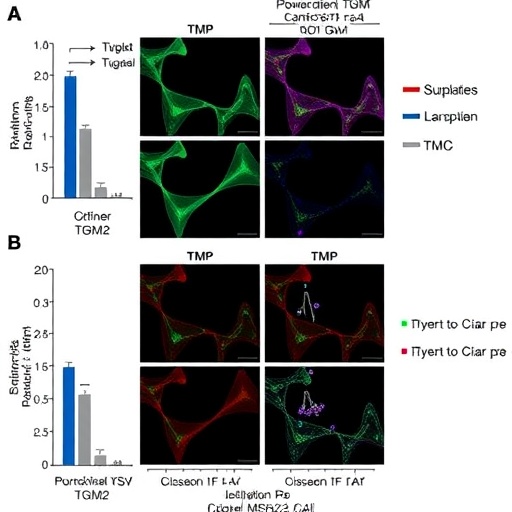
In the detailed experimental design presented by Wei et al., bladder cancer cell lines deficient in MSH2 were treated with a TGM2 inhibitor alongside cisplatin. The findings revealed a striking increase in cisplatin sensitivity upon TGM2 inhibition, suggesting that TGM2 acts as a protective factor allowing cancer cells to withstand cisplatin’s cytotoxic effects. This synergy between TGM2 inhibition and cisplatin exposure was demonstrated through multiple assays that measured cell viability, apoptosis rates, and DNA damage markers.
Mechanistically, the study sheds light on the interplay between TGM2 and the DNA damage response (DDR) pathways. By inhibiting TGM2, cancer cells exhibited heightened DNA damage accumulation following cisplatin treatment, implying a compromised ability to repair cisplatin-induced lesions. This is particularly relevant in MSH2-deficient cells, which already have impaired MMR pathways, making them more reliant on alternative repair mechanisms that may be facilitated by TGM2. Thus, TGM2 inhibition likely disrupts these compensatory pathways, amplifying cisplatin’s therapeutic impact.
The implications of these findings extend beyond laboratory observations. Current clinical protocols for bladder cancer often fail to consider the genetic heterogeneity of tumors, which can significantly influence treatment outcomes. Wei and colleagues propose that TGM2 inhibitors could be developed as adjuvant therapies to specifically target MSH2-deficient bladder cancers. Incorporating such inhibitors could sensitize tumors to cisplatin, potentially reducing the necessary dosage and mitigating side effects while overcoming resistance.
Additionally, this research highlights the importance of genetic screening in the clinical setting. Determining MSH2 status in bladder cancer patients could become a routine practice that guides the use of TGM2-targeted therapies. This personalized medicine approach aligns with contemporary trends in oncology, aiming to tailor treatments based on individual tumor profiles to maximize efficacy and minimize toxicity.
The study also prompts deeper considerations into how TGM2 modulates cellular pathways beyond protein crosslinking. The enzyme’s involvement in apoptosis regulation suggests that its inhibition might restore programmed cell death mechanisms impaired in resistant cancer cells. This dual action—enhancing DNA damage and promoting apoptosis—could explain the robust increase in cisplatin sensitivity, positioning TGM2 as a multifaceted therapeutic target.
Future research directions outlined by the authors include in vivo validation of TGM2 inhibitors in animal models of MSH2-deficient bladder cancer. Such studies will be pivotal in assessing the pharmacodynamics, optimal dosing regimens, and potential off-target effects of these inhibitors. Moreover, expanding this research to other cancer types characterized by MSH2 deficiency may broaden the clinical applicability of TGM2 inhibition strategies.
The molecular intricacies unraveled in this study also emphasize the evolving understanding of cancer as a disease driven by complex genetic and proteomic networks. Targeting key nodes like TGM2 in these networks offers a promising strategy for dismantling the robust defenses of chemoresistant tumors. This approach exemplifies the shift from non-specific cytotoxic agents to precision oncology, where treatments are fine-tuned to exploit particular vulnerabilities within cancer cells.
Collateral benefits of TGM2 inhibition may include modulating the tumor microenvironment, given the enzyme’s role in extracellular matrix remodeling. Disrupting these structural components might further enhance the penetration and efficacy of chemotherapeutic drugs like cisplatin, adding another layer to potential therapeutic mechanisms.
Clinically, incorporating TGM2 inhibitors could revolutionize treatment protocols for bladder cancer, a malignancy with substantial morbidity and mortality worldwide. While cisplatin remains a cornerstone drug, the prospect of combining it with targeted agents to surmount resistance is a compelling advancement. This strategy could improve survival rates and quality of life for patients facing otherwise refractory disease.
A notable facet of this research is the sophisticated use of molecular biology techniques, including gene knockdown and CRISPR-mediated gene editing, which allowed precise modeling of MSH2 deficiency in cell lines. This precision enabled the authors to draw firm conclusions about the causative role of TGM2 in mediating drug response, reinforcing the robustness of their findings.
Together, these insights pave the way for clinical trials that could integrate TGM2 inhibitors into standard chemotherapeutic regimens. The promise of translating molecular discoveries into tangible patient benefits embodies the ultimate goal of cancer research, evoking cautious optimism among clinicians and patients alike.
Wei, Xiao, Ren, and their team’s contribution stands as a testament to the power of targeted molecular interventions in redefining the therapeutic landscape. As these findings gain traction, they may spark a wave of innovation in the development of companion diagnostics and novel drug formulations aimed at combating chemoresistance.
In essence, the inhibition of TGM2 in MSH2-deficient bladder cancer cells represents a beacon of hope, illuminating a path toward more effective, tailored chemotherapy options. This advancement underscores the dynamic interplay between genetic defects and enzymatic activity in shaping cancer behavior, reminding us that unlocking cancer’s vulnerabilities often requires peeling back the layers of its intricate molecular machinery.
Subject of Research: Enhancement of cisplatin sensitivity in MSH2-deficient bladder cancer through TGM2 inhibition.
Article Title: Inhibition of TGM2 enhances cisplatin sensitivity in MSH2-deficient bladder cancer.
Article References:
Wei, W., Xiao, X., Ren, C. et al. Inhibition of TGM2 enhances cisplatin sensitivity in MSH2-deficient bladder cancer. Cell Death Discov. (2026). https://doi.org/10.1038/s41420-026-03182-z
Image Credits: AI Generated
DOI: https://doi.org/10.1038/s41420-026-03182-z
Tags: cisplatin resistance mechanismscisplatin sensitivity enhancementDNA mismatch repair in cancergenomic instability and cancer therapymolecular targets for bladder cancer treatmentMSH2 deficiency and chemotherapyovercoming chemoresistance in bladder tumorspersonalized cancer therapy strategiespost-translational modification enzymes in oncologyTGM2 inhibition in bladder cancerTGM2 role in drug resistancetumor microenvironment and chemotherapy response