

• HOME
  • NEWS
  • EXPLORE
    • CAREER
      • Companies
      • Jobs
    • EVENTS
    • iGEM
      • News
      • Team
    • PHOTOS
    • VIDEO
    • WIKI
  • BLOG
  • COMMUNITY
    • FACEBOOK
    • INSTAGRAM
    • TWITTER
Sunday, April 26, 2026
BIOENGINEER.ORG
No Result
View All Result
  • Login
  • HOME
  • NEWS
  • EXPLORE
    • CAREER
      • Companies
      • Jobs
        • Lecturer
        • PhD Studentship
        • Postdoc
        • Research Assistant
    • EVENTS
    • iGEM
      • News
      • Team
    • PHOTOS
    • VIDEO
    • WIKI
  • BLOG
  • COMMUNITY
    • FACEBOOK
    • INSTAGRAM
    • TWITTER
  • HOME
  • NEWS
  • EXPLORE
    • CAREER
      • Companies
      • Jobs
        • Lecturer
        • PhD Studentship
        • Postdoc
        • Research Assistant
    • EVENTS
    • iGEM
      • News
      • Team
    • PHOTOS
    • VIDEO
    • WIKI
  • BLOG
  • COMMUNITY
    • FACEBOOK
    • INSTAGRAM
    • TWITTER
No Result
View All Result
Bioengineer.org
No Result
View All Result
Home NEWS Science News Health

Blockage of protein a possible way to obstruct injuries to radiation therapy

Bioengineer by Bioengineer
November 20, 2018
in Health
Reading Time: 2 mins read
0
Share on FacebookShare on TwitterShare on LinkedinShare on RedditShare on Telegram
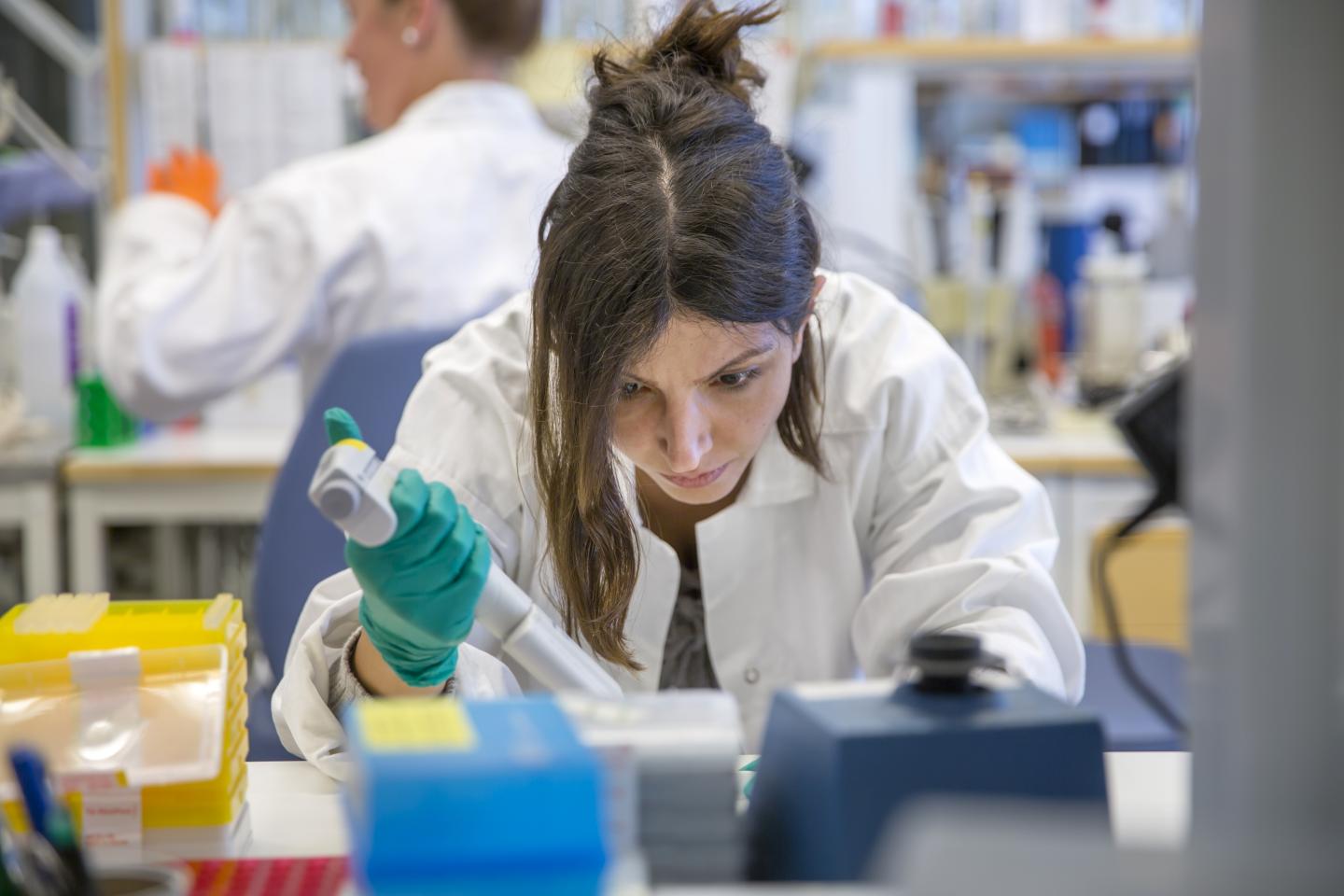
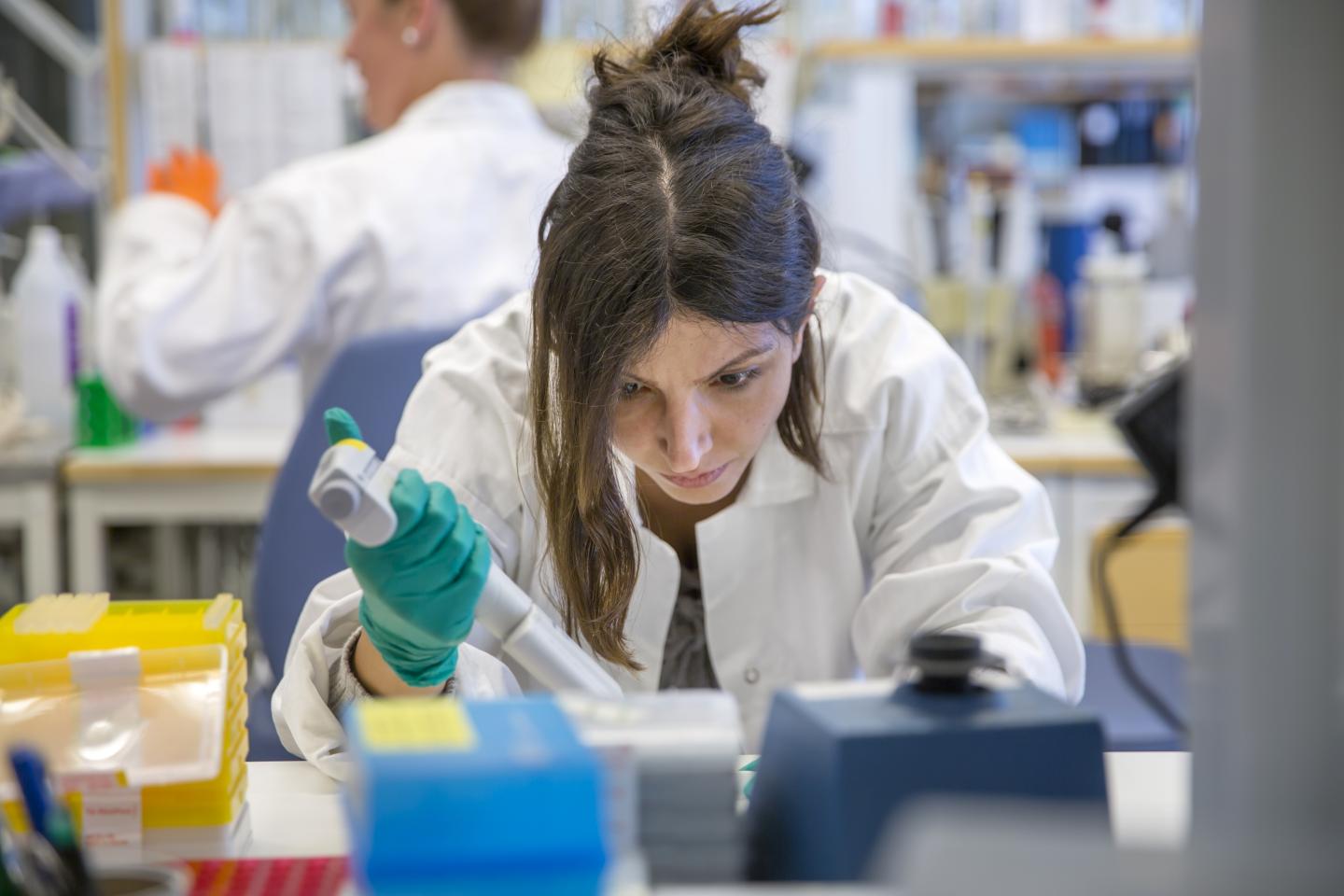
IMAGE

Credit: Johan Gunséus

It is possible to prevent certain injuries that can occur in radiation therapy against cancer. By blocking the activity of a plasma protein during and immediately after radiation, the patient can be protected against injury. This is shown in a new doctoral thesis at Umeå University, Sweden.

"Injury in radiation therapy can be painful and seriously impair the patient's quality of life. Therefore, it is important to find ways to treat or, even better, prevent the damage," says Mahsa Fallah, PhD student at the Department of Medical Biochemistry and Biophysics at Umeå University.

The most common skin effect in radiation therapy against cancer is skin redness, erythema, which affects nine out of ten radiation-treated patients. The rancidity can develop into skin flaking, desquamation. Other areas where radiation effects occur are the gastrointestinal tract and bone marrow.

Today, wounds caused by radiation are being treated locally with dressing, antibiotics, cortisone, or in severe cases through skin transplantation.

In her doctoral thesis, Mahsa Falla shows the importance of the plasma protein plasminogen for the development of inflammation and damage after radiation. In studies mice that lack plasminogen have been shown to be resistant to radiation damage. Even in mice that had plasminogen, the damage could greatly be reduced by treating the patient with a substance, tranexamic acid, which inhibits the activation of plasminogen.

"Overall, studies indicate that it is advisable to prevent radiation damage to the skin by treating the cancer patient with tranexamic acid. It is worth researching if the same strategy could also be used to protect internal organs from radiation damage," says Mahsa Fallah.

###

Mahsa Fallah was born in Esfahan, Iran, where she previously has studied genetics at Esfahan University.

Media Contact

Ola Nilsson
[email protected]
@UmeaUniversity

https://www.umu.se/en/

Original Source

http://urn.kb.se/resolve?urn=urn:nbn:se:umu:diva-152952

Share12Tweet8Share2ShareShareShare2

Related Posts

Intrinsic Capacity, Activity Linked to Heart Risk in Elders

April 25, 2026

New Trial Prevents Cognitive Decline in Older Cancer Patients

April 25, 2026

In Vivo CAR-Neutrophils Developed for Glioma Treatment

April 25, 2026

PE/PPE Proteins Drive Tuberculosis Drug Resistance

April 25, 2026
Please login to join discussion

POPULAR NEWS

  • Research Indicates Potential Connection Between Prenatal Medication Exposure and Elevated Autism Risk

    820 shares
    Share 328 Tweet 205
  • New Study Reveals Plants Can Detect the Sound of Rain

    678 shares
    Share 271 Tweet 169
  • Scientists Investigate Possible Connection Between COVID-19 and Increased Lung Cancer Risk

    66 shares
    Share 26 Tweet 17
  • Salmonella Haem Blocks Macrophages, Boosts Infection

    60 shares
    Share 24 Tweet 15

About

We bring you the latest biotechnology news from best research centers and universities around the world. Check our website.

Follow us

Recent News

Diazoboranes React with Oxygen to Form Dioxaboriranes

Intrinsic Capacity, Activity Linked to Heart Risk in Elders

Platelet-to-HDL Ratio Linked to Eosinophils in Pediatric Asthma

Subscribe to Blog via Email

Success! An email was just sent to confirm your subscription. Please find the email now and click 'Confirm' to start subscribing.

Join 81 other subscribers
  • Contact Us

Bioengineer.org © Copyright 2023 All Rights Reserved.

Welcome Back!

Login to your account below

Forgotten Password?

Retrieve your password

Please enter your username or email address to reset your password.

Log In
No Result
View All Result
  • Homepages
    • Home Page 1
    • Home Page 2
  • News
  • National
  • Business
  • Health
  • Lifestyle
  • Science

Bioengineer.org © Copyright 2023 All Rights Reserved.