

• HOME
  • NEWS
  • EXPLORE
    • CAREER
      • Companies
      • Jobs
    • EVENTS
    • iGEM
      • News
      • Team
    • PHOTOS
    • VIDEO
    • WIKI
  • BLOG
  • COMMUNITY
    • FACEBOOK
    • INSTAGRAM
    • TWITTER
Wednesday, May 13, 2026
BIOENGINEER.ORG
No Result
View All Result
  • Login
  • HOME
  • NEWS
  • EXPLORE
    • CAREER
      • Companies
      • Jobs
        • Lecturer
        • PhD Studentship
        • Postdoc
        • Research Assistant
    • EVENTS
    • iGEM
      • News
      • Team
    • PHOTOS
    • VIDEO
    • WIKI
  • BLOG
  • COMMUNITY
    • FACEBOOK
    • INSTAGRAM
    • TWITTER
  • HOME
  • NEWS
  • EXPLORE
    • CAREER
      • Companies
      • Jobs
        • Lecturer
        • PhD Studentship
        • Postdoc
        • Research Assistant
    • EVENTS
    • iGEM
      • News
      • Team
    • PHOTOS
    • VIDEO
    • WIKI
  • BLOG
  • COMMUNITY
    • FACEBOOK
    • INSTAGRAM
    • TWITTER
No Result
View All Result
Bioengineer.org
No Result
View All Result
Home Headlines

Black mouse-eared bat goes green: First case of a fruit-eating bat in…

Bioengineer.org by Bioengineer.org
January 28, 2018
in Headlines, Health, Science News
Reading Time: 2 mins read
0
Share on FacebookShare on TwitterShare on LinkedinShare on RedditShare on Telegram
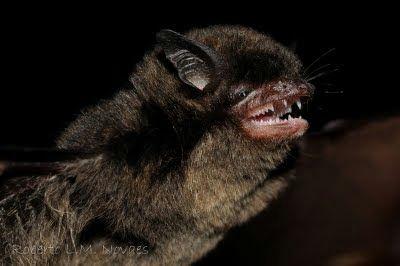
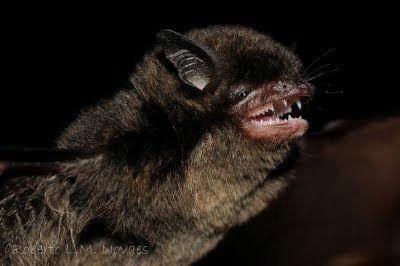
IMAGE

Out of more than 110 allegedly well-studied mouse-eared bat species, there turns out to be one that has been keeping its diet a mystery. Belonging to the largest group of bats, known to be feeding on insects exclusively, the widely common Black mouse-eared bat (Myotis nigricans) is found to also seek fruits. The Brazilian team of researchers, led by biologist Roberto Leonan Morim Novaes, Fiocruz, conducted their work in the Rio de Janeiro's reserve Reserva Ecologica de Guapiacu (REGUA), a 5,500 ha remnant of Atlantic Forest, and have their findings and discussion published in the open-access Biodiversity Data Journal.

The unexpected first documentation of fruit consumption in this group of bats happened when the researchers captured a number of bats with mist-nets and kept them alone in cotton bags for about thirty minutes before handling for identification and biometry. Thus, they managed to retrieve feces of the specimens, which showed to contain small seeds. Later, in an experiment, part of the seeds even grew into seedlings. As a result, the scientists report the first fruit consumption within the mouse-eared bat genus, called Myotis, as well as the whole subfamily Myotinae. Their finding might also mean that the examined species plays the ecological role of a seed disperser.

Although the finding is based on a single specimen of Black mouse-eared bat, the researchers reject the possibility of the cotton bags having been previously contaminated with feces of other animals. Dismissed is also the chance of the seeds having been consumed on accident while predation, since the Black mouse-eared bat hunts insects during flight.

Overall, bats are remarkable because of their varied eating habits. Commonly eating insects, there are predatory groups specialised in feeding on other invertebrates, terrestrial vertebrates, fishes or blood. Among the plant-eating, there are those specialised in fruits, flowers or leaves. A few are classified as omnivores and yet few, which are known to be using one category of food exclusively, on rare occasions include an untypical food item to compliment their diet. For example, a carnivorous bat may sporadically consume a plant and vice versa.

"The discovery of a well-studied species, previously considered strictly insectivorous, foraging on fruits shows how little we know about the biology and natural history of Neotropical bats," conclude the authors.

###

Original source:

Novaes R, Souza R, Ribeiro E, Siqueira A, Greco A, Moratelli R (2015) First evidence of frugivory in Myotis(Chiroptera, Vespertilionidae, Myotinae). Biodiversity Data Journal 3: e6841. doi: 10.3897/BDJ.3.e6841

Share12Tweet8Share2ShareShareShare2

Related Posts

Mayo Clinic to Undergo Leadership Transition, Honoring Dr. Gianrico Farrugia’s Transformational Impact — Medicine

Mayo Clinic to Undergo Leadership Transition, Honoring Dr. Gianrico Farrugia’s Transformational Impact

May 13, 2026

Study Finds Sustained Weight Loss Possible by Transitioning from Injectable Obesity Drugs to Daily Oral Orforglipron (ATTAIN-MAINTAIN)

May 13, 2026

Weight Loss Maintained Seven Times More Effectively with Continued Maximum Dose of Tirzepatide, Study Finds

May 12, 2026

Immune Protein Identified as Potential Target to Slow Parkinson’s Disease Progression

May 12, 2026
Please login to join discussion

POPULAR NEWS

  • Research Indicates Potential Connection Between Prenatal Medication Exposure and Elevated Autism Risk

    842 shares
    Share 337 Tweet 211
  • New Study Reveals Plants Can Detect the Sound of Rain

    728 shares
    Share 290 Tweet 182
  • Salmonella Haem Blocks Macrophages, Boosts Infection

    62 shares
    Share 25 Tweet 16
  • Breastmilk Balances E. coli and Beneficial Bacteria in Infant Gut Microbiomes

    57 shares
    Share 23 Tweet 14

About

We bring you the latest biotechnology news from best research centers and universities around the world. Check our website.

Follow us

Recent News

Mayo Clinic to Undergo Leadership Transition, Honoring Dr. Gianrico Farrugia’s Transformational Impact

Study Finds Sustained Weight Loss Possible by Transitioning from Injectable Obesity Drugs to Daily Oral Orforglipron (ATTAIN-MAINTAIN)

Weight Loss Maintained Seven Times More Effectively with Continued Maximum Dose of Tirzepatide, Study Finds

Subscribe to Blog via Email

Enter your email address to subscribe to this blog and receive notifications of new posts by email.

Join 82 other subscribers
  • Contact Us

Bioengineer.org © Copyright 2023 All Rights Reserved.

Welcome Back!

Login to your account below

Forgotten Password?

Retrieve your password

Please enter your username or email address to reset your password.

Log In
No Result
View All Result
  • Homepages
    • Home Page 1
    • Home Page 2
  • News
  • National
  • Business
  • Health
  • Lifestyle
  • Science

Bioengineer.org © Copyright 2023 All Rights Reserved.