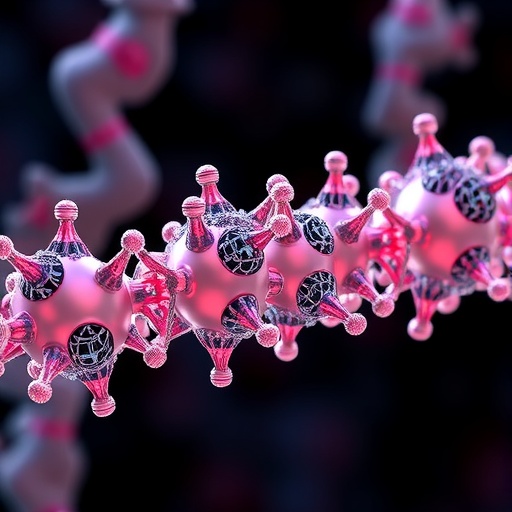
Atherosclerosis remains stubbornly resistant to single-target therapies, largely because plaque progression is driven by intertwined processes—oxidative stress, chronic inflammation, and defective clearance of dying cells. Now, researchers report a bioinspired nanomedicine strategy that tackles these pathways simultaneously by turning chemistry into coordinated biology.
In a study published in Nature Communications, the team describes porous metal–amino acid nanozymes designed to behave like enzyme mimics inside the vascular environment. The architecture emphasizes accessible catalytic surfaces: rather than relying on abundant natural enzymes, the particles present tailored metal sites embedded in a porous framework.
According to the authors, the nanozymes can promote anti-oxidation activity by neutralizing reactive oxygen species in situ. This matters because oxidative damage accelerates lipid oxidation and amplifies inflammatory signaling, creating a self-reinforcing cycle within developing plaques.
Just as critical is what happens after oxidative stress is lowered. Dying cells and debris accumulate in plaques, fueling inflammation and impairing tissue remodeling. The researchers show that their catalytic platform also shifts the cellular response toward pro-efferocytosis, enhancing the clearance of apoptotic material by phagocytes.
The “multi-pathway” concept hinges on coupling catalysis with immune behavior. By reducing oxidative cues and improving clearance efficiency, the nanozymes aim to interrupt the inflammatory loop that otherwise sustains plaque growth.
Porosity is central to the approach. The porous structure increases contact between catalytic sites and biological substrates, improving functional delivery at the scale where vascular inflammation unfolds. In effect, the nanozymes act as a locally concentrated, reusable antioxidant-like and clearance-supporting system.
The study further highlights the importance of bioinspired composition, using amino acid–associated design principles to better integrate with biological milieus. This helps translate catalytic activity into functional outcomes rather than mere chemical reactivity.
While detailed translational considerations remain ahead, the work offers a blueprint for next-generation anti-atherosclerosis therapeutics: instead of neutralizing one molecule, engineer nanostructures that reprogram multiple steps of plaque pathology.
If validated across additional models and eventually clinical cohorts, these porous metal–amino acid nanozymes could redefine how “enzyme-like” nanomaterials are deployed against chronic vascular disease—by pairing redox control with immune cleanup in one platform.
Subject of Research: Atherosclerosis therapy using bioinspired porous nanozymes
Article Title: Bioinspired porous metal-amino acid nanozymes enable multi-pathway treatment of atherosclerosis through anti-oxidation and pro-efferocytosis.
Article References: Shao, S., Pan, W., Cheng, J. et al. Bioinspired porous metal-amino acid nanozymes enable multi-pathway treatment of atherosclerosis through anti-oxidation and pro-efferocytosis. Nat Commun (2026). https://doi.org/10.1038/s41467-026-75509-4
Image Credits: AI Generated
Tags: anti-inflammatory nanomedicine strategiesbioinspired metal-organic frameworks for cardiovascular repairBioinspired nanozymes for atherosclerosis therapycatalytic nanomaterials targeting plaque progressiondual pathway nanotherapeutics for vascular healthenhancing efferocytosis in atherosclerosisenzyme-mimicking nanomaterials for cardiovascular diseasenanozyme-based modulation of immune response in atherosclerosisoxidative stress reduction in atherosclerotic plaquesporous metal–amino acid nanozymes