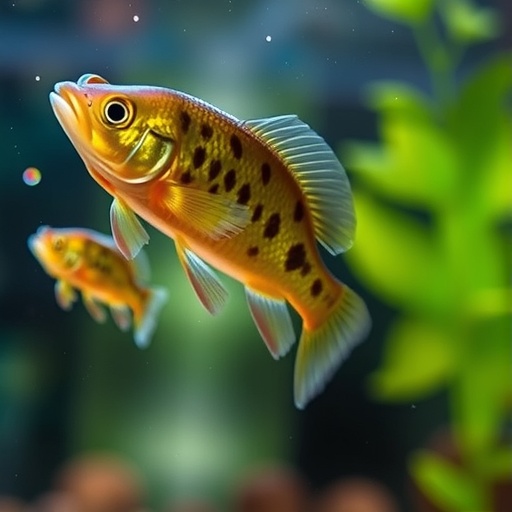
In recent years, the aquaculture industry has faced increasing challenges related to protein sourcing in fish diets, prompting researchers to explore innovative solutions for sustainable fish farming. One such groundbreaking approach is the integration of biofloc technology (BFT), which not only addresses protein reduction in fish feed but also enhances various physiological parameters crucial for fish health and growth. A significant study by Dey and colleagues sheds light on this emerging technique, exploring its profound impact on the growth and immunity of the climbing perch, scientifically known as Anabas testudineus.
The study focuses on the dynamic role of biofloc technology in aquaculture, particularly in decreasing the reliance on traditional dietary protein sources. As fish farming expands, so does the demand for sustainable feed alternatives. The researchers begin with a robust examination of the composition and nutritional properties of biofloc, which is a complex aggregate of microorganisms, including bacteria, protozoa, and algae. These microorganisms serve as an efficient source of protein and energy, effectively reducing the need for high-protein ingredients in commercial feed formulations.
Dey et al. highlight that the utilization of biofloc can lead to a significant reduction in dietary protein levels without compromising the growth rates of Anabas testudineus fry. Through their experiment, they meticulously analyze the growth performance of the fish when fed with varying ratios of biofloc integrated into their diets. The results show promising enhancements in weight gain, feed conversion rates, and overall survival rates, indicating that biofloc is not only a viable alternative but also potentially superior to conventional high-protein feeds.
Digging deeper, the researchers investigate the impact of biofloc on digestive enzyme activity within the climbing perch. Understanding the digestive capacity of this fish, especially during its early life stages, is critical for optimizing fish feed formulations. The study reveals that biofloc enhances the activity of essential digestive enzymes, including amylase and protease. These enzymes play vital roles in breaking down carbohydrates and proteins, facilitating better nutrient assimilation crucial for growth and development. The findings suggest that integrating biofloc into the diet of Anabas testudineus fry can significantly enhance their digestive efficiency.
Moreover, immune response is a key focus of the study, as stressors such as disease outbreaks pose a constant threat to aquaculture. Dey et al. show that the incorporation of biofloc into the diet of Anabas testudineus contributes to improved antioxidant capacity and immune parameters. This is particularly significant in the cultivation of fish species, where enhancing disease resistance can lead to higher survival rates and better overall health in farming operations. The research indicates that fish fed biofloc exhibited higher levels of immune-related markers, underscoring the technology’s potential to bolster the physiological resilience of cultured species.
Regarding nutritional analysis, the study critically evaluates the nutrient profile of biofloc, revealing its rich content of essential amino acids, fatty acids, and vitamins. These findings suggest that not only does biofloc reduce the need for synthetic supplements, but it also complements the natural diet of the climbing perch. The nutrient density and bioavailability of biofloc position it as a powerful tool for aquaculture nutritionists seeking to formulate sustainable fish diets without compromising growth performance.
Furthermore, the implications of biofloc technology extend beyond individual fish health to encompass broader environmental and economic benefits. Dey et al. emphasize the sustainability aspect of BFT, as it supports a closed-loop system in aquaculture. By recycling waste products through microbial conversion, the technology minimizes environmental impact while promoting the efficient use of resources. This aligns well with global sustainability goals within the aquaculture sector, making it a timely and relevant area of research.
The study also discusses the practical aspects of implementing biofloc technology in commercial aquaculture settings. Although the concept is robust, scaling biofloc systems poses its own challenges. The researchers provide insights into necessary infrastructure, management practices, and operational procedures essential for successful deployment. They also touch on the economic viability of BFT, demonstrating potential cost savings associated with reduced feed expenses and increased fish yield, thereby appealing to fish farmers looking to improve profitability.
In conclusion, the utilization of biofloc technology represents a significant advancement in sustainable aquaculture practices. The findings from Dey et al. provide compelling evidence that integrating biofloc can enhance growth rates, digestive enzyme activity, antioxidant levels, and immune responses in Anabas testudineus fry. This research not only sheds light on the dynamics of fish nutrition and physiology but also highlights a path toward more resilient and eco-friendly aquaculture systems. As the industry evolves, leveraging biofloc technology may set a precedent for innovation across various aquaculture practices, potentially transforming how fish are farmed globally.
The ongoing investigation into biofloc technology underscores its promising role in addressing critical challenges within the aquaculture sector. As researchers continue to explore its multifaceted benefits, biofloc may emerge as a cornerstone of future aquaculture practices, guiding the industry toward sustainable and economically viable solutions. The implications for fish health, environmental sustainability, and operational efficiency make biofloc technology an exciting topic of exploration in modern aquaculture research.
In summary, the study by Dey et al. highlights the remarkable capacity of biofloc technology to transform aquaculture practices. This research not only provides valuable insights into enhancing growth and immune responses in fish but also sets the stage for further innovations aimed at sustainability in aquaculture. As the sector seeks to adapt to increasing pressures, biofloc technology stands as a testament to the potential of scientific advancements in fostering the future of sustainable fish farming.
Subject of Research: Utilization of Biofloc Technology in Aquaculture
Article Title: Utilization of Biofloc Technology for Potential Dietary Protein Reduction and Improvement of Growth, Digestive Enzyme Activity, Antioxidant Capacity and Immune Response of Climbing Perch, Anabas testudineus Fry.
Article References:
Dey, S.S., BabithaRani, A.M., Shamna, N. et al. Utilization of Biofloc Technology for Potential Dietary Protein Reduction and Improvement of Growth, Digestive Enzyme Activity, Antioxidant Capacity and Immune Response of Climbing Perch, Anabas testudineus Fry.
Waste Biomass Valor (2026). https://doi.org/10.1007/s12649-026-03480-8
Image Credits: AI Generated
DOI: https://doi.org/10.1007/s12649-026-03480-8
Keywords: Biofloc Technology, Aquaculture, Climbing Perch, Protein Reduction, Immune Response, Digestive Enzymes, Sustainable Practices.
Tags: alternative protein sources for fish feedAnabas testudineus growth improvement techniquesBiofloc technology in aquacultureclimbing perch fry growth enhancementDey study on biofloc technologyimpact of biofloc on fish healthmicroorganisms in biofloc compositionnutritional properties of bioflocphysiological benefits of biofloc for fishprotein sourcing challenges in aquaculturereducing dietary protein in aquaculturesustainable fish farming solutions