


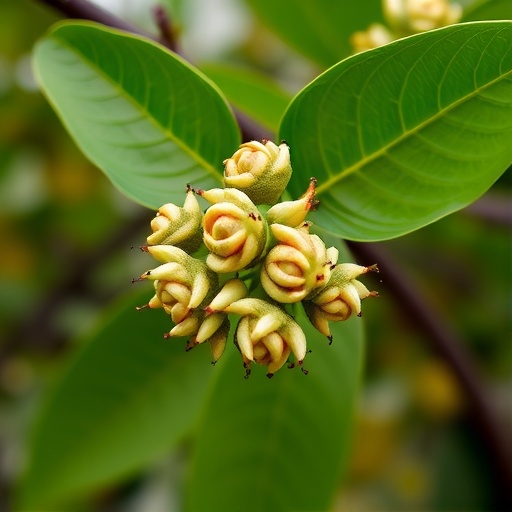
In an exciting development from the realm of natural products and their potential applications in medicine, researchers have unveiled promising insights into the antioxidant and selective cytotoxic properties of the flower extract from Dipterocarpus obtusifolius. This tree, native to Southeast Asia, has long been revered for its various medicinal values, and the new findings deepen our understanding of its capabilities, particularly in the fight against gastrointestinal cancers.
At its core, the research presents a detailed analysis of how the flower extract of Dipterocarpus obtusifolius exhibits significant antioxidant properties. Oxidative stress is known to be a contributing factor in the development and progression of various types of cancers. By neutralizing free radicals, antioxidants can potentially halt or even reverse some of the damaging processes that lead to carcinogenesis. The study mentions that the flower extract showcases a rich profile of bioactive components, which may work synergistically to enhance its overall antioxidant activity.
The selective cytotoxic activity of the flower extract stands out as a highlight of this research. Unlike conventional chemotherapeutic agents that often indiscriminately target both cancerous and healthy cells, the compounds extracted from Dipterocarpus obtusifolius appear to selectively induce apoptosis, or programmed cell death, in cancer cells. This attribute is particularly critical for improving treatment efficacy while minimizing side effects, a persistent challenge in the field of oncology.
The methodology employed in this research is robust, featuring a range of analytical techniques to profile the bioactive components of the flower extract. High-performance liquid chromatography (HPLC) was utilized to separate and quantify the various phytochemicals present, while in vitro assays helped determine the cytotoxicity levels against several gastrointestinal cancer cell lines. This meticulous approach ensures that the findings are not only reliable but also replicable for future studies.
A significant portion of the study focuses on the specific types of gastrointestinal cancers targeted by the dipterocarp flower extract. Gastric and colorectal cancers, both of which have alarmingly high incidence rates globally, were highlighted. The researchers posited that the compounds within the flower extract could play a preventive role by inhibiting tumor growth and proliferation in these types of cancers, which are linked to dietary factors and lifestyle choices.
Furthermore, the implications of these findings extend beyond the laboratory setting. Through this research, the authors advocate for further exploration into the potential integration of Dipterocarpus obtusifolius extract into dietary supplements or even as an adjunct therapy in clinical oncology. Such applications could provide patients with additional tools in their battle against cancer, emphasizing the importance of natural products in modern medicine.
As researchers continue to explore the mechanisms underlying the observed selectivity of the extract towards cancer cells, it opens up a pathway for drug development. Identifying the key bioactive compounds responsible for its anti-cancer effects could lead to the synthesis of new, targeted therapies that leverage the principles of nature.
Importantly, the study calls attention to the sustainability and ethics surrounding the harvesting of natural resources like Dipterocarpus obtusifolius. As the demand for natural extracts rises, it is critical to balance the therapeutic benefits with responsible sourcing practices to ensure the conservation of these valuable plants for future generations.
The research also emphasizes the need for robust clinical trials to validate the findings before any widespread application. While the results are promising, transforming plant extracts into clinically viable treatments necessitates rigorous testing to ascertain their safety, efficacy, and best-use scenarios.
As the scientific community digs deeper into the potential of natural products in drug discovery, studies such as this one lay the groundwork for future innovations in cancer treatment. The nexus between traditional herbal medicine and modern scientific inquiry can provide new avenues for tackling complex health challenges.
Ultimately, the contributions of Luechine and collaborators to the understanding of Dipterocarpus obtusifolius flower extract present a vital step forward in the search for safer, more effective cancer therapies. It serves as a reminder of the immense untapped potential lurking in nature, waiting for the day it can significantly alter the trajectory of modern medicine.
The ongoing exploration of bioactive components might soon yield collaborations between ethnobotanists, oncologists, and industrial biochemists dedicated to translating these findings into practical health solutions. As the world grapples with rising cancer diagnoses, this research could lead to holistic treatment strategies that blend the wisdom of traditional knowledge with cutting-edge scientific discoveries.
While there’s still much to learn, studies like these are paving the way for a future where natural remedies complement conventional medicine, ultimately leading to improved patient outcomes and a healthier society.
Subject of Research: The antioxidant and selective cytotoxic activity of Dipterocarpus obtusifolius flower extract against gastrointestinal cancer.
Article Title: Antioxidant and selective cytotoxic activity of Dipterocarpus obtusifolius flower extract against gastrointestinal cancer, with bioactive component profiling.
Article References:
Luechine, A., Techasen, A., Phetcharaburanin, J. et al. Antioxidant and selective cytotoxic activity of Dipterocarpus obtusifolius flower extract against gastrointestinal cancer, with bioactive component profiling. BMC Complement Med Ther (2026). https://doi.org/10.1186/s12906-026-05247-z
Image Credits: AI Generated
DOI: 10.1186/s12906-026-05247-z
Keywords: Antioxidant, Cytotoxic activity, Dipterocarpus obtusifolius, Gastrointestinal cancer, Bioactive compounds.
Tags: antioxidant properties of flower extractsbioactive compounds in medicinal plantsDipterocarpus obtusifolius cancer researchflower extract pharmacologygastrointestinal cancer therapynatural products in medicineoxidative stress and cancerplant-based cancer therapiesprogrammed cell death in cancer cellsselective cytotoxicity in cancer treatmentsynergistic effects of bioactive componentstraditional medicine in Southeast Asia



