A dysregulated gut microbiome can reshape bile acid biology in ways that help hormone receptor-positive (HR+) breast cancer spread, according to new University of Virginia research. The work links intestinal microbial imbalance—often called gut dysbiosis—to systemic inflammatory conditions that can support metastasis rather than restrain it. By identifying a specific biochemical pathway, the study reframes “gut health” as a measurable driver of metastatic risk.
Bile acids are not just digestion molecules; they act as signaling mediators that influence metabolism and immune tone throughout the body. When the gut microbiome loses its ability to regulate bile acid composition, bile acids can accumulate or shift into forms that promote pro-cancer inflammatory environments. In this model, those altered bile acid landscapes correlate with the progression of HR+ tumors from primary sites toward distant organs.
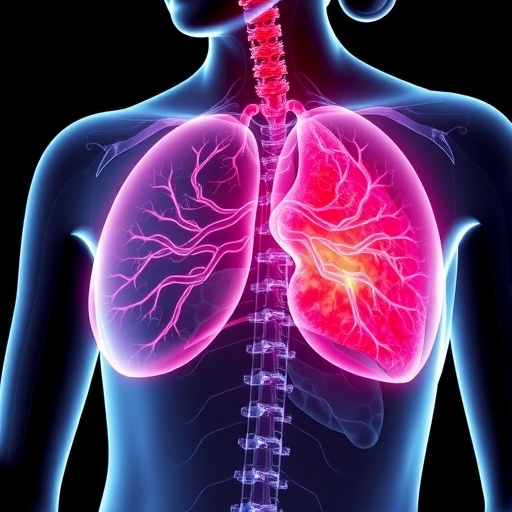
Mechanistically, dysbiosis changes how bile acids are produced and processed, which then alters inflammatory signaling. The researchers report that inflammation acts as a permissive background for circulating breast cancer cells to establish secondary growths—especially in the lungs, a common metastatic destination for HR+ disease. This provides a testable causality chain: microbiome imbalance → bile acid disruption → inflammatory promotion → metastatic seeding.
In preclinical experiments, targeting this pathway reduced the conditions that favored spread. The study also highlights why bile acids are actionable: their levels can be measured, and their composition can potentially be modified pharmacologically. That makes the pathway attractive for translational approaches aimed at identifying patients at higher risk before metastasis occurs.
To explore relevance to humans, the investigators examined HR+ breast cancer patients and found elevated bile acids and insulin resistance associated with reduced survival. Importantly, patients with metastatic disease who were treated with bile acid-suppressing medications tended to live longer. These medications, known as bile-acid sequestrants, are already FDA-approved for metabolic indications.
The findings suggest a dual preventive strategy: restore microbiome function by replenishing bacteria capable of normal bile acid remodeling, or repurpose existing bile-acid sequestrants to blunt harmful bile acid signaling. While the human results are encouraging, the researchers caution that additional studies are needed to determine whether the improved outcomes result directly from bile acid suppression.
The broader implication is a shift toward pathway-focused microbiome oncology. Instead of treating “the microbiome” as a vague risk factor, this work emphasizes a concrete molecular mediator—bile acids—through which gut biology may influence immune surveillance and metastatic competence.
If validated in future trials, bile acid targeting could become a relatively well-tolerated adjunct strategy for preventing HR+ metastasis, potentially improving long-term outcomes for patients most vulnerable to early dissemination.
Subject of Research: Gut microbiome, bile acids, and HR+ breast cancer metastasis
Article Title: Bile acid buildup drives spread of breast cancer, discovery reveals
News Publication Date:
Web References: https://doi.org/10.1158/0008-5472.CAN-25-4466
References: Cancer Research (DOI: 10.1158/0008-5472.CAN-25-4466)
Image Credits: UVA Health
Keywords: gut microbiome, dysbiosis, bile acids, breast cancer, HR+ metastasis, inflammation, lung metastasis, bile-acid sequestrants, insulin resistance