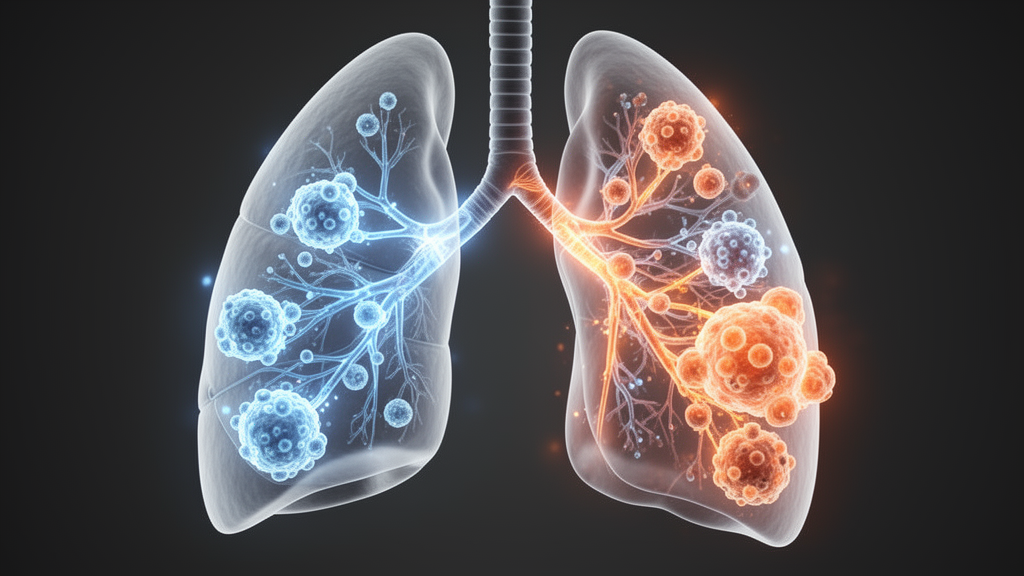
A comprehensive bibliometric and visualized analysis has mapped the global evolution of research concerning immune inflammation in chronic obstructive pulmonary disease (COPD) and asthma over the past decade. By examining data from 2016 to 2025, researchers identified a clear trajectory in how the scientific community addresses the intersection of these two chronic airway diseases. The study, which included 1,862 publications from the Web of Science Core Collection and 709 records from PubMed, highlights how immune-inflammatory dysregulation serves as a primary driver for disease progression, therapeutic heterogeneity, and airway remodeling. This framework has become essential for understanding the complexity of respiratory diseases and navigating the shift toward precision treatment strategies.
Research output in this field experienced consistent growth throughout the decade. Annual publications retrieved from the Web of Science Core Collection rose from 158 in 2016 to 226 by 2025. While China led in total publication volume with 467 articles, the United States accounted for 374 papers and demonstrated significant influence in citation impact. US-affiliated research garnered 17,336 total citations and an H-index of 67, indicating a high concentration of frequently cited work. Leading global institutions identified in the study included Imperial College London, the University of Newcastle, and Harvard University, all of which have played pivotal roles in advancing the current understanding of airway inflammatory mechanisms.
To analyze this body of work, researchers utilized advanced analytical tools including VOSviewer, CiteSpace, and R-bibliometrix. These instruments allowed the team to evaluate trends in country, institution, and author contributions alongside co-cited references and keyword co-occurrence. By mapping the knowledge structure of the field, the team identified persistent research hotspots that define the current era of respiratory medicine. Major themes across the data consistently included asthma, COPD, general inflammation, airway inflammation, oxidative stress, the role of eosinophils, the identification of diagnostic biomarkers, and the mechanical processes of airway remodeling.
The study also utilized burst detection to identify emerging research interests that have gained rapid attention in recent years. This analysis revealed a growing focus on more complex, high-precision methodologies such as Mendelian randomization and network pharmacology. Furthermore, there is an evident increase in the clinical exploration of specific therapeutic interventions, including mepolizumab and treatments targeting the NLRP3 inflammasome.
A notable aspect of the analysis was the divergence in research priorities between China and the United States. China-focused studies were characterized by an emphasis on oxidative stress pathways, specific inflammatory responses, the management of acute exacerbation, the application of metabolomics, and the use of causal inference in study design. Conversely, research emanating from the United States displayed a stronger association with clinical trial frameworks, the development and testing of biologics, eosinophilic inflammation pathways, and broader immune-targeted therapy strategies. Despite these distinct regional foci, the cross-database comparison with PubMed confirmed that these thematic patterns are broadly consistent across the global scientific landscape.
The findings underscore that immune inflammation has solidified its role as a fundamental framework for characterizing disease heterogeneity in both COPD and asthma. The study concludes that the future of the field rests on the ability to bridge the gap between basic mechanistic research and clinical implementation. Specifically, the evidence points toward a necessity for strengthening comparative studies, accelerating biomarker discovery, and achieving multi-omics integration to support precision medicine.
While the study provides a robust mapping of past and current trends, it also suggests clear directions for future inquiries. The authors highlight that as the global research output continues to rise, the next phase of development must prioritize clinical translation.
Subject of Research: Global research trends in immune inflammation for COPD and asthma (2016–2025).
Article Title: Immune inflammation at the crossroads of chronic obstructive pulmonary disease and asthma: a bibliometric and visualized analysis from 2016 to 2025
Article References: Zhao, Y., Li, C., Chen, X., & Dai, W. (2026). Immune inflammation at the crossroads of chronic obstructive pulmonary disease and asthma: a bibliometric and visualized analysis from 2016 to 2025. Frontiers in Medicine, 13, Article 1997974. https://doi.org/10.3389/fmed.2026.1997974
Image Credits: AI Generated
DOI: 10.3389/fmed.2026.1997974
Keywords: COPD, Asthma, Immune Inflammation, Bibliometrics, CiteSpace, VOSviewer, R-bibliometrix, Oxidative Stress, Eosinophils, Biomarkers, Network Pharmacology, Mendelian Randomization, Airway Remodeling, Biologics, Precision Medicine, Chronic Airway Disease, Inflammatory Dysregulation, Research Trends
News Source: Ophelia Keating. (November 17, 2026). Bibliometric Analysis Maps Global Immune Inflammation Research Trends for COPD, Asthma. Scienmag.