• HOME
  • NEWS
  • EXPLORE
    • CAREER
      • Companies
      • Jobs
    • EVENTS
    • iGEM
      • News
      • Team
    • PHOTOS
    • VIDEO
    • WIKI
  • BLOG
  • COMMUNITY
    • FACEBOOK
    • INSTAGRAM
    • TWITTER
Thursday, July 9, 2026
BIOENGINEER.ORG
No Result
View All Result
  • Login
  • HOME
  • NEWS
  • EXPLORE
    • CAREER
      • Companies
      • Jobs
        • Lecturer
        • PhD Studentship
        • Postdoc
        • Research Assistant
    • EVENTS
    • iGEM
      • News
      • Team
    • PHOTOS
    • VIDEO
    • WIKI
  • BLOG
  • COMMUNITY
    • FACEBOOK
    • INSTAGRAM
    • TWITTER
  • HOME
  • NEWS
  • EXPLORE
    • CAREER
      • Companies
      • Jobs
        • Lecturer
        • PhD Studentship
        • Postdoc
        • Research Assistant
    • EVENTS
    • iGEM
      • News
      • Team
    • PHOTOS
    • VIDEO
    • WIKI
  • BLOG
  • COMMUNITY
    • FACEBOOK
    • INSTAGRAM
    • TWITTER
No Result
View All Result
Bioengineer.org
No Result
View All Result
Home NEWS Science News Biology

Belt and Road’s financiers fall short on biodiversity

Bioengineer by Bioengineer
May 11, 2020
in Biology
Reading Time: 2 mins read
0
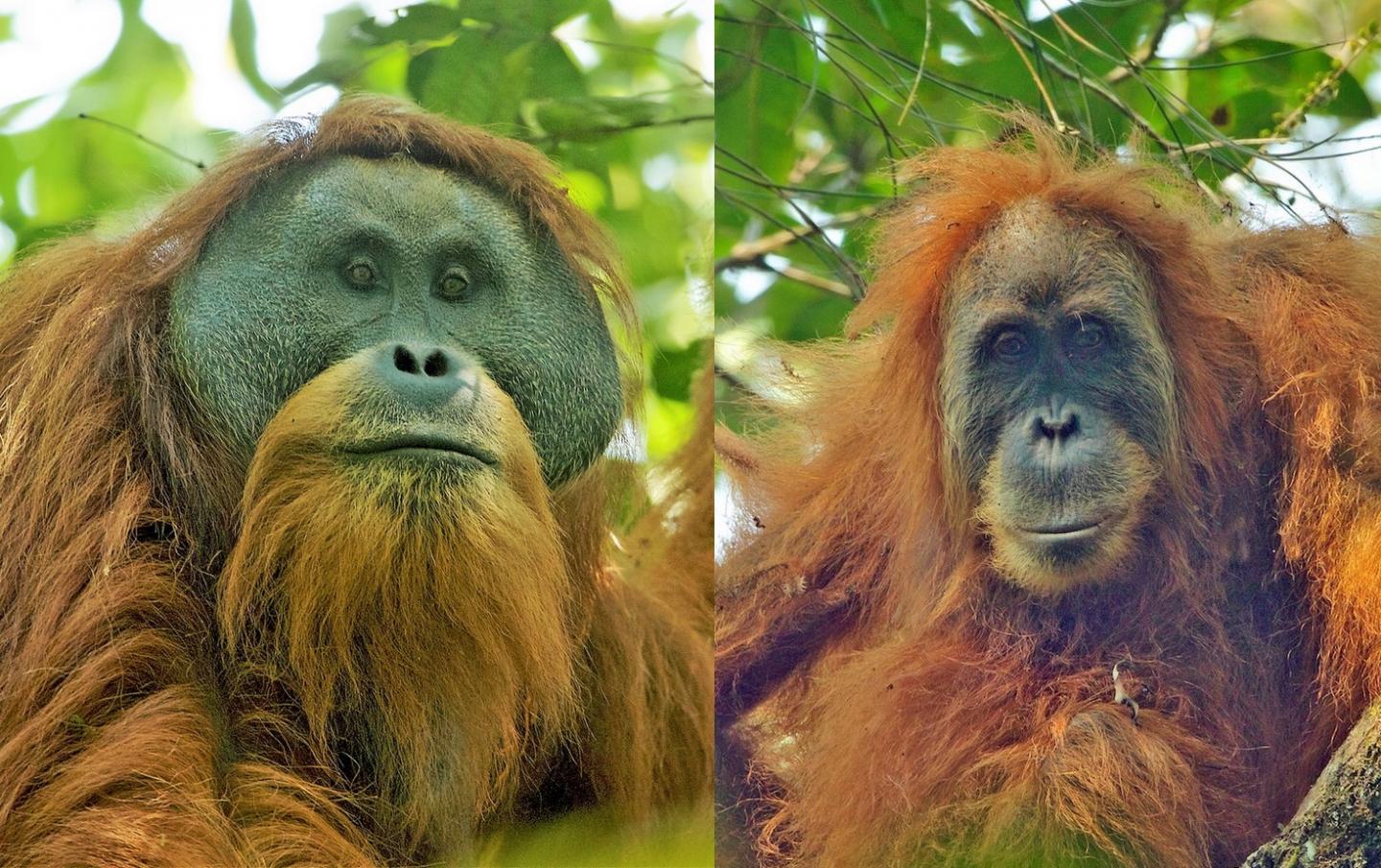
IMAGE
Share on FacebookShare on TwitterShare on LinkedinShare on RedditShare on Telegram

IMAGE

Credit: The University of Queensland

Most financiers of international infrastructure program, the Belt and Road Initiative (BRI), are falling short on biodiversity safeguards, according to University of Queensland research.

The BRI is China’s ambitious regional connectivity initiative encompassing thousands of transport, energy and industrial infrastructure projects, built along eight trans-national corridors spanning 70 countries in Asia, Europe and Africa.

UQ PhD candidate Divya Narain, from UQ’s Centre for Biodiversity and Conservation Science, said biodiversity must be protected in the face of this development for the sake of the world’s species.

“The six terrestrial infrastructure corridors envisaged under BRI crisscross some of the most ecologically-fragile geographies in Southeast Asia, Central Asia and South Asia,” Ms Narain said.

“The initiative’s road and rail routes potentially affect 150,000 square kilometres of critical habitat.”

The research team compiled a list of the BRI’s financiers and scrutinised their policies for enforceable requirements to protect biodiversity.

“Our research shows that most financiers of the BRI are yet to put in place binding biodiversity impact mitigation requirements.

“The considerable biodiversity impact of infrastructure projects could remain unmitigated.”

UQ’s Professor Martine Maron said financier safeguards could act as an important line of defence against construction-induced effects on biodiversity.

“Safeguards of multi-lateral development banks offer international best practice that has evolved over decades,” Professor Maron said.

“International best practice requires a ‘net gain’ of biodiversity in cases where there are impacts upon critical habitat.

“Strong safeguards like this are especially important for projects that potentially damage large areas of essential biodiversity habitat.

“Co-financing by multi-lateral development banks offers the opportunity for transfer of best practice to financiers who lack biodiversity safeguards, through capacity building and technical assistance.

“Biodiversity protection needs its own policy infrastructure if it is to be protected.”

###

The study has been published in Nature Sustainability (DOI: 10.1038/s41893-020-0528-3).

Media Contact
Divya Narain
[email protected]

Related Journal Article

http://dx.doi.org/10.1038/s41893-020-0528-3

Tags: BiodiversityBiologyBusiness/EconomicsEcology/Environment
Share12Tweet8Share2ShareShareShare2

Related Posts

Standard fetal growth charts frequently miss identifying at-risk babies

Standard fetal growth charts frequently miss identifying at-risk babies

July 9, 2026
ECNP Notes Growing Citations Highlight Interest in Mental Health Biology

ECNP Notes Growing Citations Highlight Interest in Mental Health Biology

July 9, 2026

ISSCR 2026 Launches in Montréal with Global Stem Cell Science Summit

July 8, 2026

Over Half of NYC Free-Roaming Cats Carry Zoonotic Roundworm Parasites

July 8, 2026
Please login to join discussion

POPULAR NEWS

  • Detection of EDCs in Breast Milk and Infant Urine Up to Six Months Highlights Early Exposure Risks

    77 shares
    Share 31 Tweet 19
  • New Drug Candidate Developed at McMaster Shows Potential for Treating Brain Cancer

    58 shares
    Share 23 Tweet 15
  • KTU Researchers Explore Ultrasound’s Role in Enhancing Blood Flow Beyond Diagnostics

    53 shares
    Share 21 Tweet 13
  • 高齢者の骨粗鬆症治療の持続性比較

    51 shares
    Share 20 Tweet 13

About

We bring you the latest biotechnology news from best research centers and universities around the world. Check our website.

Follow us

Recent News

New NIR fluorotag CETIF6a enhances tumor labeling and protein profiling

Scientists Simulate Black Hole Phenomena in Laboratory Experiment

KAUST researchers create novel method for device online identity verification

Subscribe to Blog via Email

Enter your email address to subscribe to this blog and receive notifications of new posts by email.

Join 83 other subscribers
  • Contact Us

Bioengineer.org © Copyright 2023 All Rights Reserved.

Welcome Back!

Login to your account below

Forgotten Password?

Retrieve your password

Please enter your username or email address to reset your password.

Log In
No Result
View All Result
  • Homepages
    • Home Page 1
    • Home Page 2
  • News
  • National
  • Business
  • Health
  • Lifestyle
  • Science

Bioengineer.org © Copyright 2023 All Rights Reserved.