• HOME
  • NEWS
  • EXPLORE
    • CAREER
      • Companies
      • Jobs
    • EVENTS
    • iGEM
      • News
      • Team
    • PHOTOS
    • VIDEO
    • WIKI
  • BLOG
  • COMMUNITY
    • FACEBOOK
    • INSTAGRAM
    • TWITTER
Monday, October 5, 2026
BIOENGINEER.ORG
No Result
View All Result
  • Login
  • HOME
  • NEWS
  • EXPLORE
    • CAREER
      • Companies
      • Jobs
        • Lecturer
        • PhD Studentship
        • Postdoc
        • Research Assistant
    • EVENTS
    • iGEM
      • News
      • Team
    • PHOTOS
    • VIDEO
    • WIKI
  • BLOG
  • COMMUNITY
    • FACEBOOK
    • INSTAGRAM
    • TWITTER
No Result
View All Result
Bioengineer.org
No Result
View All Result
Home NEWS Science News Biology

Beech trees native to Scotland after all, scientists discover

Bioengineer by Bioengineer
July 4, 2017
in Biology
Reading Time: 2 mins read
0
Share on FacebookShare on TwitterShare on LinkedinShare on RedditShare on Telegram
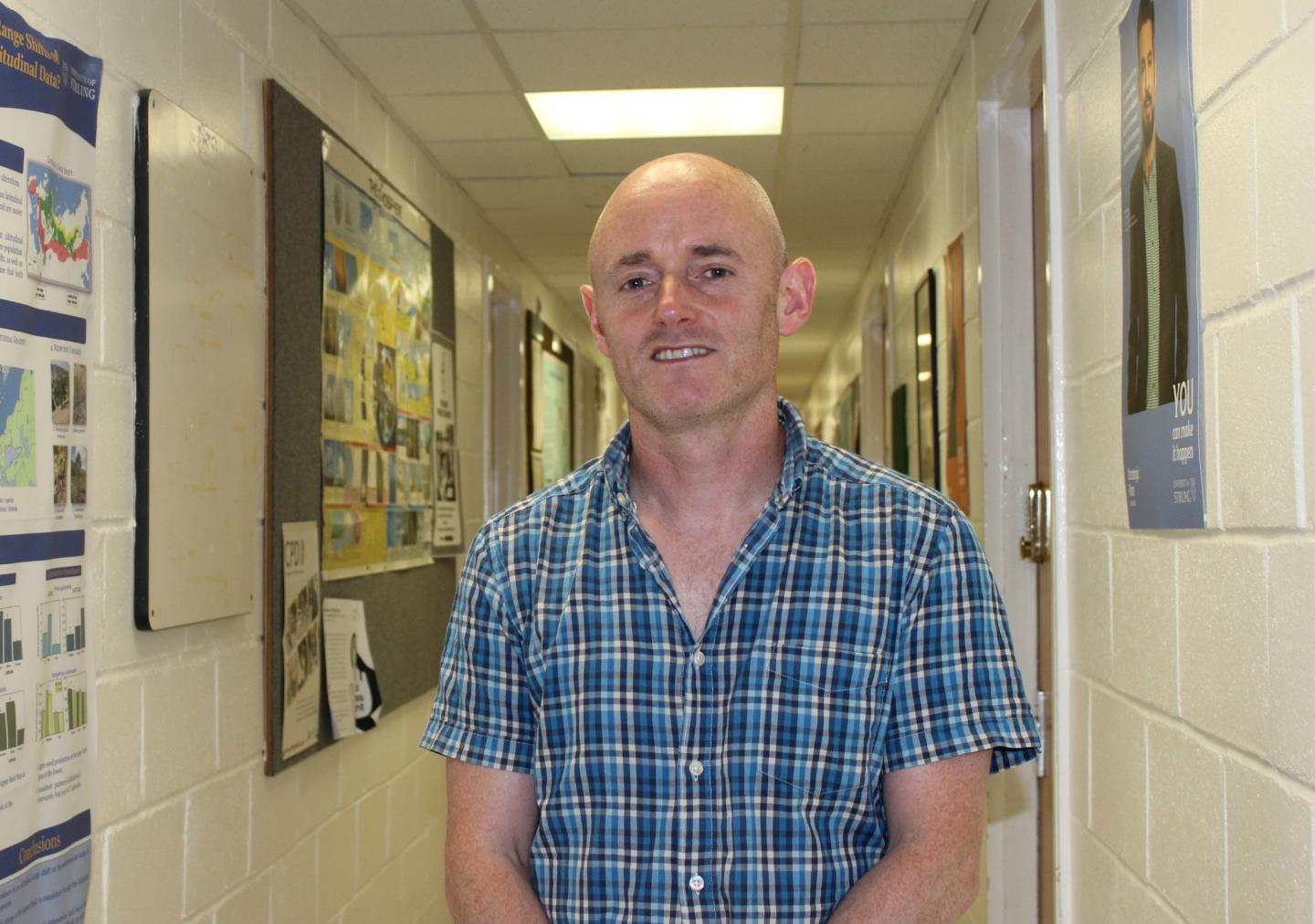
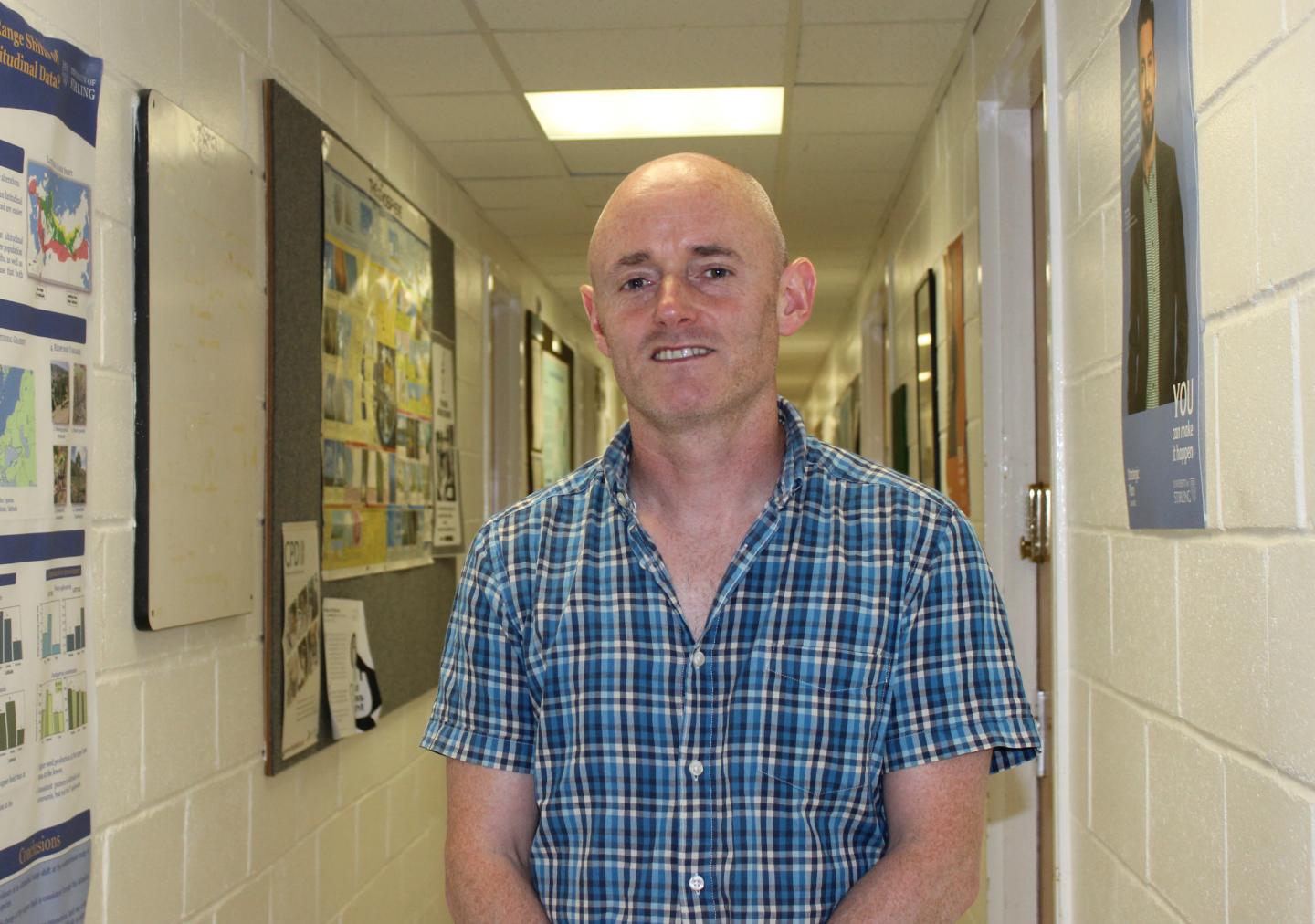
IMAGE

Credit: University of Stirling

Beech trees should be considered native to Scotland – despite a long-running debate over their national identity, researchers at the University of Stirling and Science and Advice for Scottish Agriculture (SASA) report.

The team examined the DNA of more than 800 beech trees at 42 locations across Great Britain and made direct comparisons with trees growing on mainland Europe.

The study – funded by the Natural Environment Research Council (NERC) – shows almost all of the beeches growing in Great Britain the researchers tested, are derived from native populations and, as a result, could not have been planted from abroad.

Professor Alistair Jump, of the University of Stirling's Centre for Environment, Heritage and Policy, said: "The beech tree has been experiencing an identity crisis in Scotland. Evidence shows that the European beech was mainly confined to the south-east of England after the last Ice Age. However, this tree now occurs throughout Scotland and has been considered 'not native' by many land managers.

"This tree can colonise ancient woodland in Scotland, and is sometimes removed because it poses a threat to the persistence of other native species. Our study shows that beech should be considered native throughout Great Britain, including Scotland."

Dr Jennifer Sjölund, of SASA, added: "The beech tree has been planted in Scotland in the past but the planting was from native British stock and, although humans have speeded its northward spread, it would have naturally spread up the length of the country regardless.

"Our findings have significant implications on how we define native species and how we consider natural processes when deciding what we base woodland management plans on. It points to a need to look again at the identity and distinctiveness of native Scottish forests, which historically haven't featured the beech tree."

The research, entitled 'Understanding the legacy of widespread population translocations on the post-glacial genetic structure of the European beech', is published in the Journal of Biogeography.

###

Media Contact

Corrie Campbell
[email protected]
01-786-466-169

http://www.stir.ac.uk

Related Journal Article

http://dx.doi.org/10.1111/jbi.13053

############

Story Source: Materials provided by Scienmag

Share12Tweet8Share2ShareShareShare2

Related Posts

AI Toxicity Predictions Overstated: New Benchmark Exposes Hidden Data Leakage

AI Toxicity Predictions Overstated: New Benchmark Exposes Hidden Data Leakage

October 5, 2026
Computers Take the Guesswork Out of Antisense Drug Design

Computers Take the Guesswork Out of Antisense Drug Design

October 5, 2026

A Hidden DNA Insertion Paints Quinoa Leaves in Red and Green

October 5, 2026

Mapping Climate Refuges to Give Panama’s Harlequin Toads a Second Chance

October 5, 2026
Please login to join discussion

POPULAR NEWS

  • Alloys That Shrink Their Own Grains: New PIX Mechanism Refines Metals With Heat Alone

    Alloys That Shrink Their Own Grains: New PIX Mechanism Refines Metals With Heat Alone

    29 shares
    Share 12 Tweet 7
  • Endurance Exercise Reshapes the Liver in Males and Females Through Distinct Molecular Routes

    29 shares
    Share 12 Tweet 7
  • Single Transcription Factor PU.1 Rapidly Converts Fibroblasts into Macrophage-Lineage Cells

    29 shares
    Share 12 Tweet 7
  • New Scale Measures How Ready Nurse Educators Really Are for the AI Era

    29 shares
    Share 12 Tweet 7

About

We bring you the latest biotechnology news from best research centers and universities around the world. Check our website.

Follow us

Recent News

Alloys That Shrink Their Own Grains: New PIX Mechanism Refines Metals With Heat Alone

Endurance Exercise Reshapes the Liver in Males and Females Through Distinct Molecular Routes

Single Transcription Factor PU.1 Rapidly Converts Fibroblasts into Macrophage-Lineage Cells

Subscribe to Blog via Email

Success! An email was just sent to confirm your subscription. Please find the email now and click 'Confirm' to start subscribing.

Join 85 other subscribers
  • Contact Us

Bioengineer.org © Copyright 2023 All Rights Reserved.

Welcome Back!

Login to your account below

Forgotten Password?

Retrieve your password

Please enter your username or email address to reset your password.

Log In
No Result
View All Result
  • Homepages
    • Home Page 1
    • Home Page 2
  • News
  • National
  • Business
  • Health
  • Lifestyle
  • Science

Bioengineer.org © Copyright 2023 All Rights Reserved.