• HOME
  • NEWS
  • EXPLORE
    • CAREER
      • Companies
      • Jobs
    • EVENTS
    • iGEM
      • News
      • Team
    • PHOTOS
    • VIDEO
    • WIKI
  • BLOG
  • COMMUNITY
    • FACEBOOK
    • INSTAGRAM
    • TWITTER
Saturday, September 5, 2026
BIOENGINEER.ORG
No Result
View All Result
  • Login
  • HOME
  • NEWS
  • EXPLORE
    • CAREER
      • Companies
      • Jobs
        • Lecturer
        • PhD Studentship
        • Postdoc
        • Research Assistant
    • EVENTS
    • iGEM
      • News
      • Team
    • PHOTOS
    • VIDEO
    • WIKI
  • BLOG
  • COMMUNITY
    • FACEBOOK
    • INSTAGRAM
    • TWITTER
  • HOME
  • NEWS
  • EXPLORE
    • CAREER
      • Companies
      • Jobs
        • Lecturer
        • PhD Studentship
        • Postdoc
        • Research Assistant
    • EVENTS
    • iGEM
      • News
      • Team
    • PHOTOS
    • VIDEO
    • WIKI
  • BLOG
  • COMMUNITY
    • FACEBOOK
    • INSTAGRAM
    • TWITTER
No Result
View All Result
Bioengineer.org
No Result
View All Result
Home NEWS Science News Biology

Ban plastic to save the heritage of world’s oldest and largest inhabited river island

Bioengineer by Bioengineer
July 10, 2018
in Biology
Reading Time: 3 mins read
0
Share on FacebookShare on TwitterShare on LinkedinShare on RedditShare on Telegram
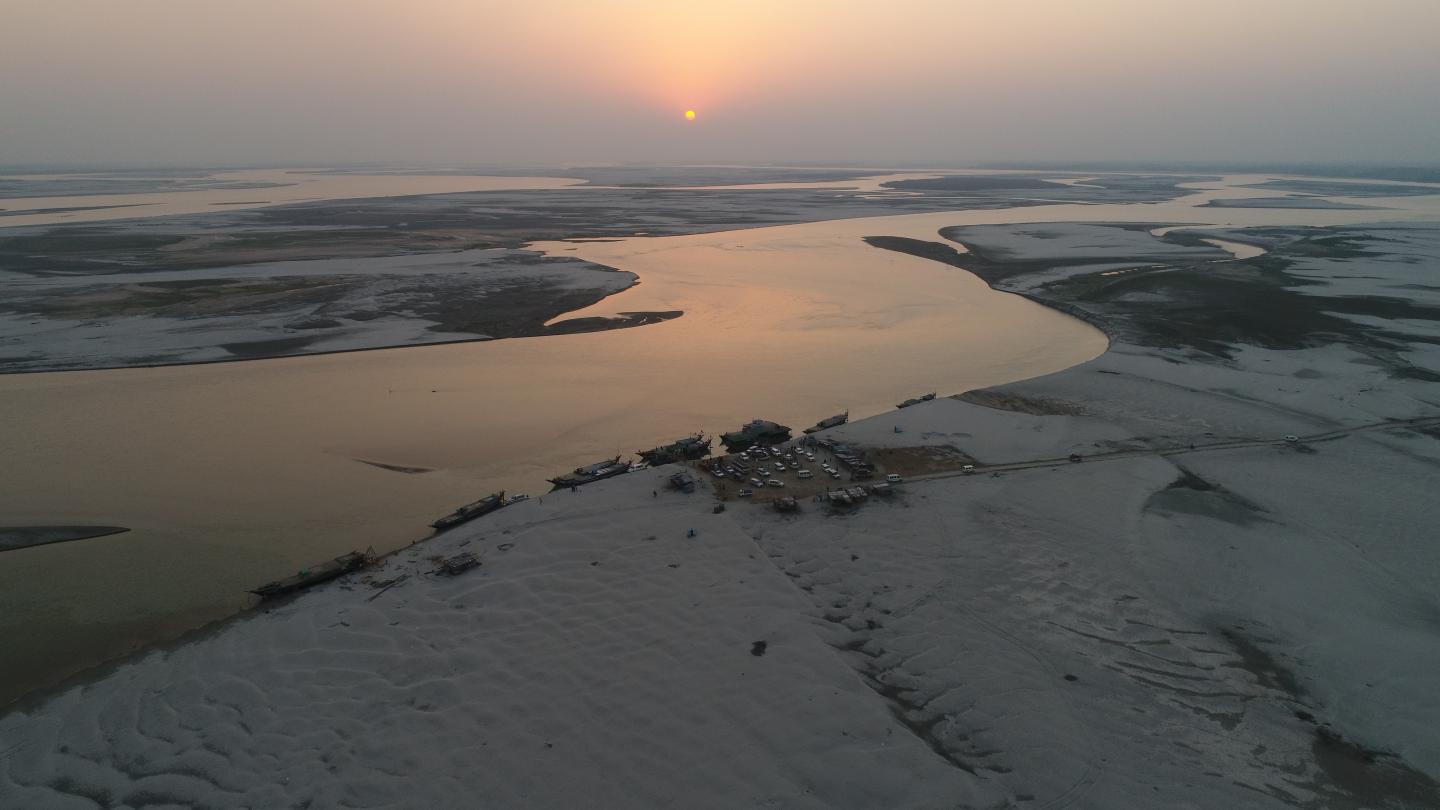
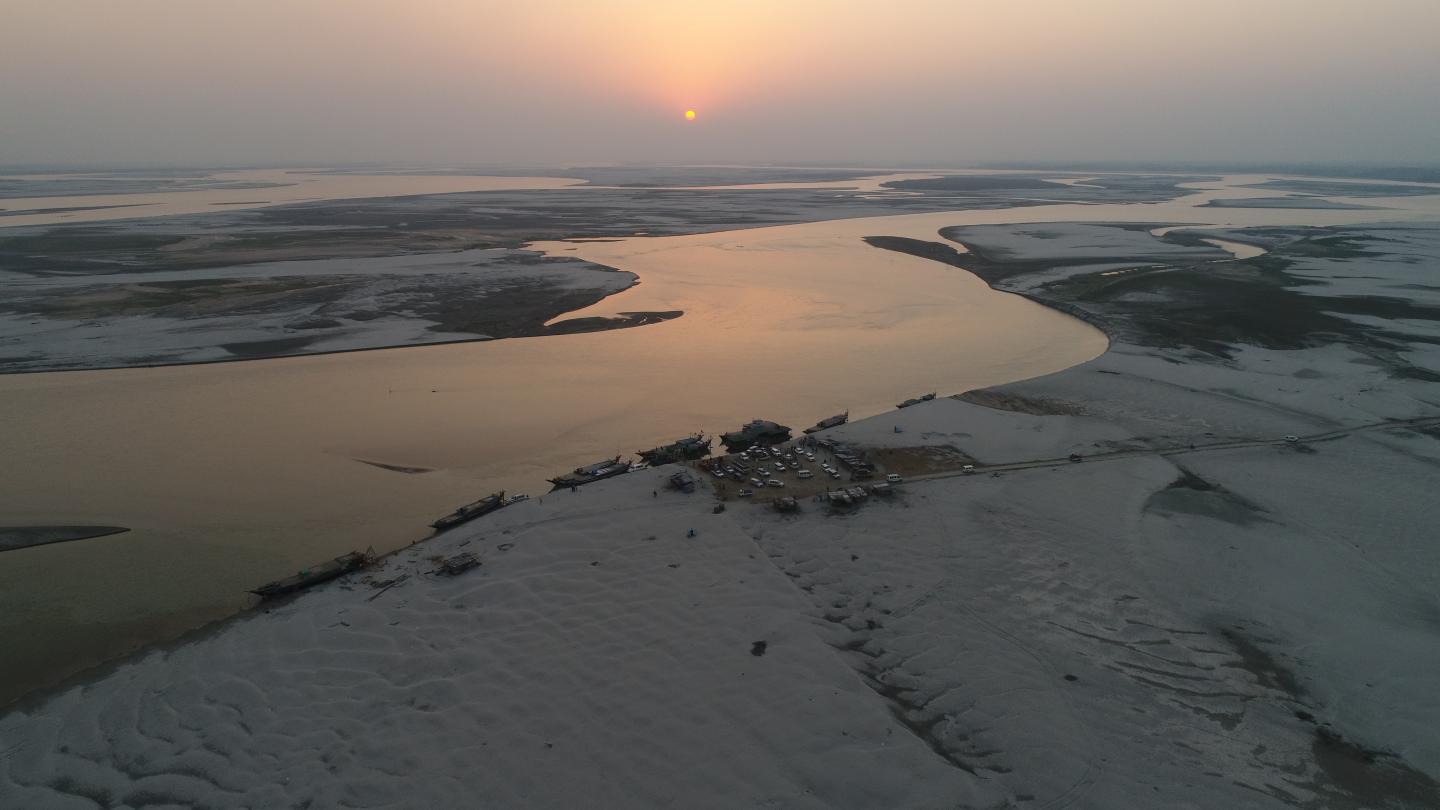
IMAGE

Credit: Queen's University Belfast

A Queen's University Belfast researcher is working with an Indian community to transform the world's largest and oldest inhabited river island into a plastic-free zone, in a bid to save its heritage.

Dr M. Satish Kumar, who is originally from Shillong, North East India, has been leading an international project 'Hidden Heritage in Majuli' with researchers from California, Belfast and India, Delhi, Varanasi and Kolkata to examine how climate change is transforming their landscape.

Majuli lies in the Brahmaputra River, in the remote state of Assam, north-east India. Looking at how the island's inhabitants have battled against extreme weather and through cutting edge-environmental, social sciences and humanities framework, Dr Kumar's team have come up with new approaches to protect the island's culture and heritage.

Dr Kumar explains: "While it is the largest inhabited river in the world, Majuli has shrunk by half over the last 100 years due to climate change, rising water levels and earthquake impact. In the mid-19th century, Majuli was about 1,200 sq km in area; now it is barely 400 sq km.

"The island has a very rich culture and history and due to the significant changes to the climate regime, its people have learned to adapt their lifestyle to suit the river, building their houses on stilts and moving when required. There used to be around 70 monasteries called 'Sattras' in Majuli but due to the island shrinking, there are now 22."

Through the project, which was set up to address the United Nations' Sustainable Development Goals (SDGs), Dr Kumar's team provided specific scientific evidence and analysis to the key stakeholders of Majuli so that they can co-create a strategy to sustain the island's culture and heritage, despite the ravages of seasonal floods. The key focus of the project was in raising awareness and sustainability of a zero-carbon island.

Dr Kumar comments: "Pollution is a growing concern in Majuli, with excess plastic being dumped in the river. We are aiming to initiate a carbon neutral island which will be free from plastics. Over the last six months, our team has been engaging with the district administration and schools in Majuli to in implement a plastics ban and identify alternative options for the people in Majuli."

"In Majuli, the biggest challenge is single use plastics like polythene bags and water bottles, which are dumped into the river. We have been working with young people and local artisans to explore alternative indigenous materials which could easily be used as substitutes for plastics.

"Traditional materials such as clay pottery and clay cups are very useful as well as 'gogol' indigenous plant-based products for daily household use. Water hyacinths and jute can be used for carrier bags, carpets and other household products. This will provide a boost to traditional household or cottage industries and enhance the livelihood of the inhabitants.

"It is important that we continue to look at waste management and landfill sites but it is necessary that plastics are banned to re-affirm a carbon neutral Majuli and to protect the unique heritage of the island for years to come."

Dr Kumar's team is continuing to work with the community in India to develop the research further and to explore in more detail the resilience of riverine island communities.

###

Media Contact

Emma Gallagher
[email protected]
289-097-5821
@QueensUBelfast

http://www.qub.ac.uk

Share13Tweet8Share2ShareShareShare2

Related Posts

Genome sequencing reveals chromosomal fusion behind early XY sex chromosome evolution in catfish

Genome sequencing reveals chromosomal fusion behind early XY sex chromosome evolution in catfish

September 5, 2026
Early-life stress and teen alcohol alter rat behavior and brain lipids by sex

Early-life stress and teen alcohol alter rat behavior and brain lipids by sex

September 5, 2026

Male bumblebees show greater activity and behavioural flexibility than workers

September 5, 2026

Genome-wide study across ancestries reveals genetic roots of Hashimoto’s thyroiditis

September 5, 2026
Please login to join discussion

POPULAR NEWS

  • Genome sequencing reveals chromosomal fusion behind early XY sex chromosome evolution in catfish

    29 shares
    Share 12 Tweet 7
  • How NR5A1 gene variants drive 46,XY sex development disorders

    29 shares
    Share 12 Tweet 7
  • European healthcare professionals view greener pharmaceutical manufacturing favorably

    29 shares
    Share 12 Tweet 7
  • Doping BSe/WSe2 heterostructures for detecting NH3 and NO2 gases: DFT study

    29 shares
    Share 12 Tweet 7

About

We bring you the latest biotechnology news from best research centers and universities around the world. Check our website.

Follow us

Recent News

Genome sequencing reveals chromosomal fusion behind early XY sex chromosome evolution in catfish

How NR5A1 gene variants drive 46,XY sex development disorders

European healthcare professionals view greener pharmaceutical manufacturing favorably

Subscribe to Blog via Email

Enter your email address to subscribe to this blog and receive notifications of new posts by email.

Join 85 other subscribers
  • Contact Us

Bioengineer.org © Copyright 2023 All Rights Reserved.

Welcome Back!

Login to your account below

Forgotten Password?

Retrieve your password

Please enter your username or email address to reset your password.

Log In
No Result
View All Result
  • Homepages
    • Home Page 1
    • Home Page 2
  • News
  • National
  • Business
  • Health
  • Lifestyle
  • Science

Bioengineer.org © Copyright 2023 All Rights Reserved.