• HOME
  • NEWS
  • EXPLORE
    • CAREER
      • Companies
      • Jobs
    • EVENTS
    • iGEM
      • News
      • Team
    • PHOTOS
    • VIDEO
    • WIKI
  • BLOG
  • COMMUNITY
    • FACEBOOK
    • INSTAGRAM
    • TWITTER
Friday, May 15, 2026
BIOENGINEER.ORG
No Result
View All Result
  • Login
  • HOME
  • NEWS
  • EXPLORE
    • CAREER
      • Companies
      • Jobs
        • Lecturer
        • PhD Studentship
        • Postdoc
        • Research Assistant
    • EVENTS
    • iGEM
      • News
      • Team
    • PHOTOS
    • VIDEO
    • WIKI
  • BLOG
  • COMMUNITY
    • FACEBOOK
    • INSTAGRAM
    • TWITTER
  • HOME
  • NEWS
  • EXPLORE
    • CAREER
      • Companies
      • Jobs
        • Lecturer
        • PhD Studentship
        • Postdoc
        • Research Assistant
    • EVENTS
    • iGEM
      • News
      • Team
    • PHOTOS
    • VIDEO
    • WIKI
  • BLOG
  • COMMUNITY
    • FACEBOOK
    • INSTAGRAM
    • TWITTER
No Result
View All Result
Bioengineer.org
No Result
View All Result
Home NEWS Science News Health

Baldness gene discovery reveals origin of hairy alpine plants

Bioengineer by Bioengineer
February 27, 2020
in Health
Reading Time: 2 mins read
0
IMAGE
Share on FacebookShare on TwitterShare on LinkedinShare on RedditShare on Telegram

IMAGE

Credit: Ying Tan


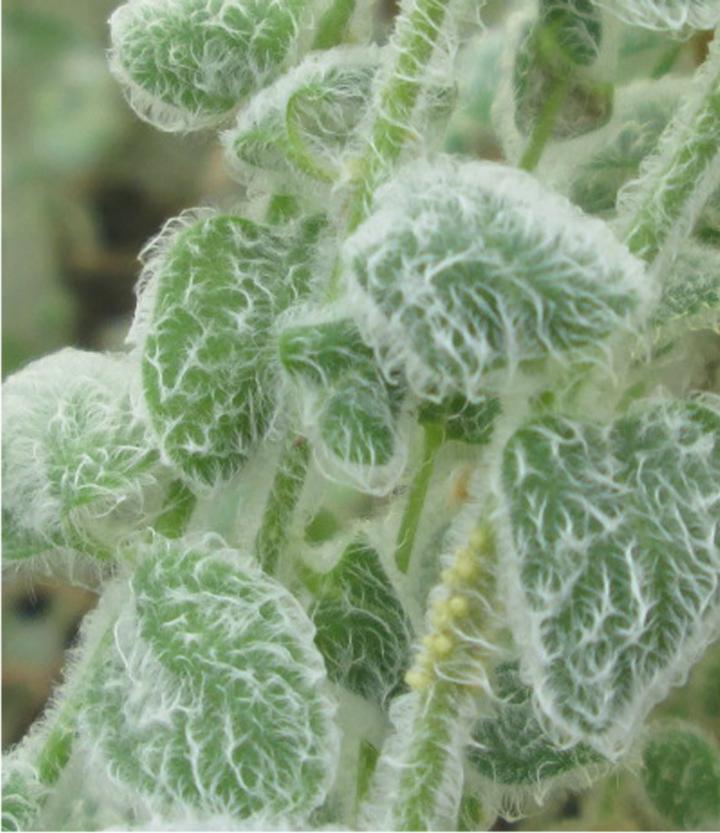
Scientists have solved a puzzle that has long baffled botanists – why some plants on high mountainsides are hairy while their low-lying cousins are bald.

Alpine species of snapdragon have evolved to disable a gene that prevents those living at low altitudes from growing hairs on their stalks and leaves, researchers say.

The small hairs may act like UV sunscreen to protect alpine plants growing in full sun on lofty, exposed cliffs, the team says. Low-lying plants might not need to make the hairs because of the relative abundance of shade in valleys.

These insights could aid the production of useful chemicals secreted by the hairs of some plants, scientists say, including the antimalarial drug artemisinin, and the chemicals that give herbs and hops their flavours.

Researchers from the University of Edinburgh identified the gene that controls hair production – which they named the Hairy gene – in snapdragons by breeding alpine and lowland species with each other.

They found that the gene is switched off in alpine plants. It is switched on in low-lying species, which causes baldness by blocking the activation of sections of DNA involved in hair production, the team says.

Their findings show that the first snapdragons – which grew around 12 million years ago – were bald, and that newer, alpine species evolved as a result of mutations that deactivated the gene.

###

The study, published in the journal Current Biology, is funded by the Biotechnology and Biological Sciences Research Council.

Professor Andrew Hudson, of the University of Edinburgh’s School of Biological Sciences, who led the study, said: “This exciting discovery gives us a chance to find out the rest of the genetic toolkit that controls plant hair growth. It could also help us work out why exactly being hairy is an advantage for alpine plants.”

Media Contact
Corin Campbell
[email protected]
44-131-650-6382

Tags: BiologyEcology/EnvironmentEvolutionGeneticsPharmaceutical SciencesPlant Sciences
Share12Tweet8Share2ShareShareShare2

Related Posts

E190D Mutation Lowers Clade 2.3.4.4b H5N1 Fitness

May 15, 2026

Genetics and Immunity Linked to Bipolar Disorder

May 15, 2026

High-Dimensional Study Reveals Immune Drivers of Severe Pediatric ARDS

May 15, 2026

New Study Reveals Key Differences Between Healthy and Unhealthy Ultra-Processed Foods

May 15, 2026
Please login to join discussion

POPULAR NEWS

  • Research Indicates Potential Connection Between Prenatal Medication Exposure and Elevated Autism Risk

    843 shares
    Share 337 Tweet 211
  • New Study Reveals Plants Can Detect the Sound of Rain

    729 shares
    Share 291 Tweet 182
  • Salmonella Haem Blocks Macrophages, Boosts Infection

    62 shares
    Share 25 Tweet 16
  • Breastmilk Balances E. coli and Beneficial Bacteria in Infant Gut Microbiomes

    58 shares
    Share 23 Tweet 15

About

We bring you the latest biotechnology news from best research centers and universities around the world. Check our website.

Follow us

Recent News

New Targeted Radiopharmaceutical Therapy Achieves Remission in Pancreatic Cancer Model

E190D Mutation Lowers Clade 2.3.4.4b H5N1 Fitness

Why Are Nearly Everyone Right-Handed? It Might Be Linked to How We Learned to Walk

Subscribe to Blog via Email

Enter your email address to subscribe to this blog and receive notifications of new posts by email.

Join 82 other subscribers
  • Contact Us

Bioengineer.org © Copyright 2023 All Rights Reserved.

Welcome Back!

Login to your account below

Forgotten Password?

Retrieve your password

Please enter your username or email address to reset your password.

Log In
No Result
View All Result
  • Homepages
    • Home Page 1
    • Home Page 2
  • News
  • National
  • Business
  • Health
  • Lifestyle
  • Science

Bioengineer.org © Copyright 2023 All Rights Reserved.