• HOME
  • NEWS
  • EXPLORE
    • CAREER
      • Companies
      • Jobs
    • EVENTS
    • iGEM
      • News
      • Team
    • PHOTOS
    • VIDEO
    • WIKI
  • BLOG
  • COMMUNITY
    • FACEBOOK
    • INSTAGRAM
    • TWITTER
Thursday, June 25, 2026
BIOENGINEER.ORG
No Result
View All Result
  • Login
  • HOME
  • NEWS
  • EXPLORE
    • CAREER
      • Companies
      • Jobs
        • Lecturer
        • PhD Studentship
        • Postdoc
        • Research Assistant
    • EVENTS
    • iGEM
      • News
      • Team
    • PHOTOS
    • VIDEO
    • WIKI
  • BLOG
  • COMMUNITY
    • FACEBOOK
    • INSTAGRAM
    • TWITTER
  • HOME
  • NEWS
  • EXPLORE
    • CAREER
      • Companies
      • Jobs
        • Lecturer
        • PhD Studentship
        • Postdoc
        • Research Assistant
    • EVENTS
    • iGEM
      • News
      • Team
    • PHOTOS
    • VIDEO
    • WIKI
  • BLOG
  • COMMUNITY
    • FACEBOOK
    • INSTAGRAM
    • TWITTER
No Result
View All Result
Bioengineer.org
No Result
View All Result
Home NEWS Science News

Bacteria carried by mosquitos may protect them against pesticides

Bioengineer by Bioengineer
January 13, 2021
in Science News
Reading Time: 2 mins read
0
IMAGE
Share on FacebookShare on TwitterShare on LinkedinShare on RedditShare on Telegram

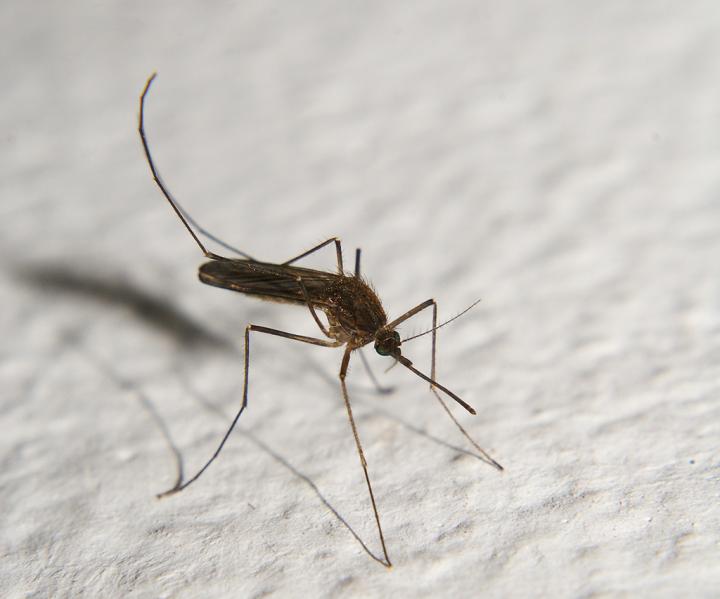
Common bacteria naturally transmitted between insects found to make them less susceptible to insecticides used to control their numbers
IMAGE

Credit: University of Reading

A common bacterial species naturally infecting mosquitoes may actually be protecting them against specific mosquito pesticides, a study has found.

Wolbachia – a bacterium that occurs naturally and spreads between insects – has become more frequently used in recent years as a means of controlling mosquito populations.

Scientists at the University of Reading, and the INBIOTEC-CONICET and the National University of San Juan in Argentina, studied the effect of Wolbachia on a common mosquito species and found those carrying the bacteria were less susceptible to widely used pesticides.

Dr Alejandra Perotti, an Associate Professor in invertebrate biology at the University of Reading, and a co-author of the study, said: “This shows the importance of looking more closely at how bacteria in mosquitoes and pesticides interact, especially at a time when new plans are being formulated for which methods to use, where to use them and which species to target.”

Mosquitoes transmit several diseases like dengue fever, malaria, zika and yellow fever to humans through their bites, and collectively kill more than a million people worldwide every year.

In the new study, published in Scientific Reports, the researchers looked at Culex quinquefasciatus – also known as the southern house mosquito – that had been reared for several years under environmental controlled conditions at a lab in Argentina (INBIOTECT insectary).

This is one of the most widespread species in countries with hotter climates. The mosquito species transmits several diseases, a wide range of viruses such as the West Nile Virus (WNV), the San Luis Encephalitis Virus (SLEV) and the Venezuelan Equine Encephalitis Virus, and in addition a variety of parasites (filarial worms) in Central and South America, Africa and Asia.

The team found that the mosquito larvae naturally infected by an Argentinian native strain of Wolbachia were less susceptible to three bacterial pesticides (Bacillus thuringiensis israelensis, Bacillus wiedmannii biovar thuringiensis, and Lysinibacillus sphaericus), two of which are commercially available and used in many countries to control mosquito populations.

###

Media Contact
Pete Bryant
[email protected]

Related Journal Article

http://dx.doi.org/10.1038/s41598-020-80034-5

Tags: BacteriologyBiologyBiomedical/Environmental/Chemical EngineeringEcology/EnvironmentEntomologyParasitology
Share13Tweet8Share2ShareShareShare2

Related Posts

Neural Design Enables Zero-Shot Drug-Binding Proteins

June 25, 2026

Genomic Insights into Human Skin Fungi Diversity

June 25, 2026

Energy-Saving Membrane Technology Developed by KAIST and Georgia Tech Enables Crude Oil Separation Without Boiling

June 25, 2026

Cracking the Code: How Cancer Evades Antibody-Drug Conjugates and New Strategies to Overcome Resistance

June 25, 2026
Please login to join discussion

POPULAR NEWS

  • Saying Goodbye to PGY-6: Pediatric Fellowship Realities

    103 shares
    Share 41 Tweet 26
  • Multi-Hospital Study Reveals Long Covid Burden Is Twice as High as Current Estimates

    92 shares
    Share 36 Tweet 23
  • Detection of EDCs in Breast Milk and Infant Urine Up to Six Months Highlights Early Exposure Risks

    77 shares
    Share 31 Tweet 19
  • New Drug Candidate Developed at McMaster Shows Potential for Treating Brain Cancer

    58 shares
    Share 23 Tweet 15

About

We bring you the latest biotechnology news from best research centers and universities around the world. Check our website.

Follow us

Recent News

Neural Design Enables Zero-Shot Drug-Binding Proteins

Genomic Insights into Human Skin Fungi Diversity

Energy-Saving Membrane Technology Developed by KAIST and Georgia Tech Enables Crude Oil Separation Without Boiling

Subscribe to Blog via Email

Enter your email address to subscribe to this blog and receive notifications of new posts by email.

Join 82 other subscribers
  • Contact Us

Bioengineer.org © Copyright 2023 All Rights Reserved.

Welcome Back!

Login to your account below

Forgotten Password?

Retrieve your password

Please enter your username or email address to reset your password.

Log In
No Result
View All Result
  • Homepages
    • Home Page 1
    • Home Page 2
  • News
  • National
  • Business
  • Health
  • Lifestyle
  • Science

Bioengineer.org © Copyright 2023 All Rights Reserved.