

• HOME
  • NEWS
  • EXPLORE
    • CAREER
      • Companies
      • Jobs
    • EVENTS
    • iGEM
      • News
      • Team
    • PHOTOS
    • VIDEO
    • WIKI
  • BLOG
  • COMMUNITY
    • FACEBOOK
    • INSTAGRAM
    • TWITTER
Saturday, April 18, 2026
BIOENGINEER.ORG
No Result
View All Result
  • Login
  • HOME
  • NEWS
  • EXPLORE
    • CAREER
      • Companies
      • Jobs
        • Lecturer
        • PhD Studentship
        • Postdoc
        • Research Assistant
    • EVENTS
    • iGEM
      • News
      • Team
    • PHOTOS
    • VIDEO
    • WIKI
  • BLOG
  • COMMUNITY
    • FACEBOOK
    • INSTAGRAM
    • TWITTER
  • HOME
  • NEWS
  • EXPLORE
    • CAREER
      • Companies
      • Jobs
        • Lecturer
        • PhD Studentship
        • Postdoc
        • Research Assistant
    • EVENTS
    • iGEM
      • News
      • Team
    • PHOTOS
    • VIDEO
    • WIKI
  • BLOG
  • COMMUNITY
    • FACEBOOK
    • INSTAGRAM
    • TWITTER
No Result
View All Result
Bioengineer.org
No Result
View All Result
Home NEWS Science News Health

Babies born at home have more diverse, beneficial bacteria, study finds

Bioengineer by Bioengineer
October 31, 2018
in Health
Reading Time: 2 mins read
0
Share on FacebookShare on TwitterShare on LinkedinShare on RedditShare on Telegram
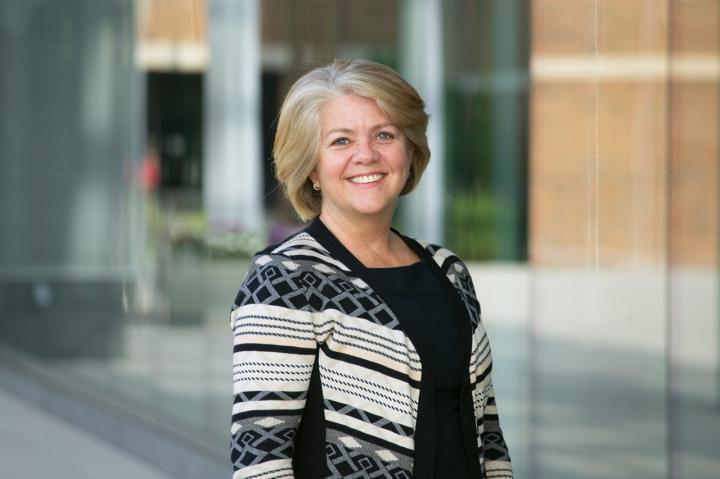
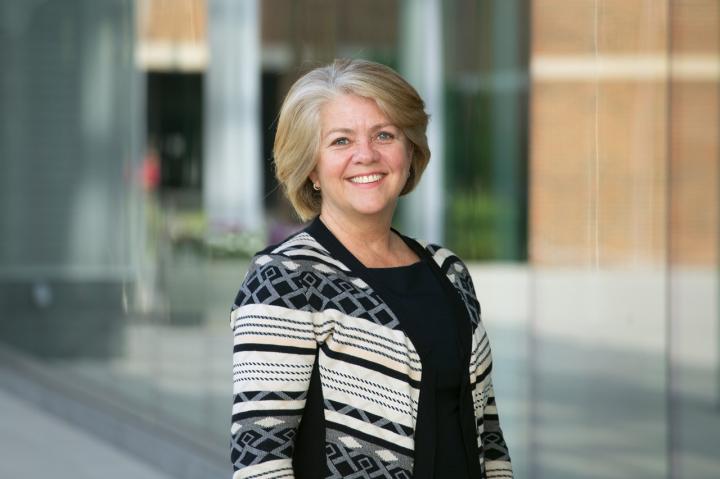
IMAGE

Credit: Jeff Heckman

Infants born at home have more diverse bacteria in their guts and feces, which may affect their developing immunity and metabolism, according to a study in Scientific Reports.

Understanding why babies born at home have more diverse microbiota for at least a month after birth, compared with those born in a hospital, could help prevent disease later in life. The human microbiome consists of trillions of bacteria, fungi and viruses that live on and in our bodies, many of which benefit our health and prevent chronic conditions such as obesity, diabetes, asthma and gut inflammatory disorders. Microbes transmitted from mother to baby help prevent chronic disease.

"The reasons for the differences between infants born at home versus in hospitals are not known, but we speculate that common hospital interventions like early infant bathing and antibiotic eye prophylaxis or environmental factors – like the aseptic environment of the hospital – may be involved," said senior author Maria Gloria Dominguez-Bello, a professor in Rutgers University-New Brunswick's Department of Biochemistry and Microbiology and Department of Anthropology.

In the study, researchers followed 35 infants and their mothers for a month after birth. Fourteen infants were born at home (four of them in water) and 21 in the hospital. All 35 infants were delivered vaginally without interventions (including no maternal antibiotic treatment) and were exclusively breastfed. All infants were delivered by midwives who supported mothers, and they all had skin-to-skin contact with their babies, and began breastfeeding shortly after birth.

In a related analysis, fecal samples of month-old infants born in a hospital showed greater inflammatory gene expression in a human epithelial cell model, compared with infants born at home. Epithelial cells cover organ linings, skin and mouths.

While more research is needed, the study suggests that revamping the hospital environment for non-high risk births, so it more closely approximates home conditions, may be beneficial.

###

The study included researchers from Rutgers, New York University, Sejong University in Seoul, South Korea, and the University of California San Francisco.

Media Contact

Todd Bates
[email protected]
848-932-0550
@RutgersU

http://www.rutgers.edu

Original Source

https://news.rutgers.edu/babies-born-home-have-more-diverse-beneficial-bacteria-study-finds/20181030#.W9iUzpNKi70 http://dx.doi.org/10.1038/s41598-018-33995-7

Share12Tweet8Share2ShareShareShare2

Related Posts

Challenges and Motivators for Physical Activity in Older South Asians

April 18, 2026

Base Editing Rescues Cardiac Fabry Mutation in Cells

April 18, 2026

Comparing Amoxicillin-Clavulanate and Amoxicillin for Treating Acute Sinusitis in Adults

April 18, 2026

Blocking RIPK1/RIPK3-MLKL Reduces Preterm Birth

April 18, 2026
Please login to join discussion

POPULAR NEWS

  • Scientists Investigate Possible Connection Between COVID-19 and Increased Lung Cancer Risk

    62 shares
    Share 25 Tweet 16
  • NSF funds machine-learning research at UNO and UNL to study energy requirements of walking in older adults

    100 shares
    Share 40 Tweet 25
  • Boosting Breast Cancer Risk Prediction with Genetics

    47 shares
    Share 19 Tweet 12
  • Popular Anti-Aging Compound Linked to Damage in Corpus Callosum, Study Finds

    46 shares
    Share 18 Tweet 12

About

We bring you the latest biotechnology news from best research centers and universities around the world. Check our website.

Follow us

Recent News

Global Inequities Shape Neonatal Survival Limits

Challenges and Motivators for Physical Activity in Older South Asians

Base Editing Rescues Cardiac Fabry Mutation in Cells

Subscribe to Blog via Email

Enter your email address to subscribe to this blog and receive notifications of new posts by email.

Join 80 other subscribers
  • Contact Us

Bioengineer.org © Copyright 2023 All Rights Reserved.

Welcome Back!

Login to your account below

Forgotten Password?

Retrieve your password

Please enter your username or email address to reset your password.

Log In
No Result
View All Result
  • Homepages
    • Home Page 1
    • Home Page 2
  • News
  • National
  • Business
  • Health
  • Lifestyle
  • Science

Bioengineer.org © Copyright 2023 All Rights Reserved.