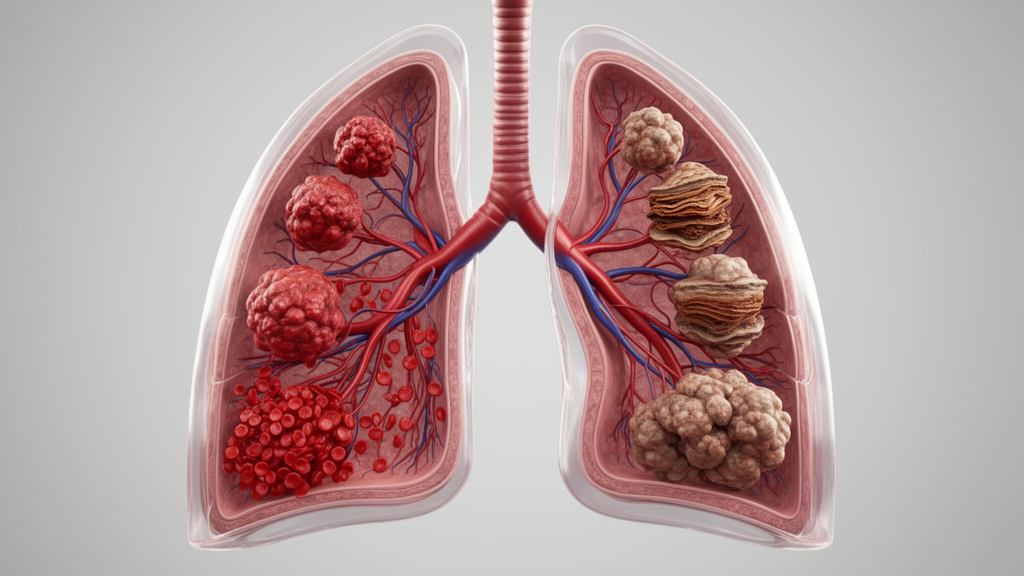
Forensic examination of fatal pulmonary embolism cases indicates that blood clots frequently develop through a multistage sequence over hours or days rather than as a single acute event. By integrating quantitative cellular modeling with tissue analysis, investigators established a reproducible framework to reconstruct the chronological timeline of thromboembolic processes in deceased individuals.
The investigation examined postmortem findings from twenty-six autopsy cases where pulmonary embolism had been certified as the definitive cause of death. Researchers collected and evaluated a total of eighty-one thrombi across the cohort, including sixty-seven pulmonary thrombi and fourteen extrapulmonary venous thrombi.
To capture potential chronological variation within individual clots, the research team sampled multiple anatomically distinct regions from each specimen. This protocol produced one hundred sixty-two separate histological samples, allowing pathologists to evaluate structural and cellular diversity across different portions of the same thrombus.
Thrombus age was calculated using a bi-exponential Levenberg–Marquardt model based on the ratio of neutrophils to macrophages. The mathematical estimations were interpreted in conjunction with ancillary histological and immunohistochemical markers that track the cellular organization and maturation of thrombotic material.
The estimated ages of the evaluated thrombi spanned a broad chronological spectrum, ranging from less than one hour to more than ten days. Microscopic evidence of structural thrombus organization was identified predominantly in specimens whose estimated chronological age exceeded five days.
Detailed mapping revealed complex internal stratification within several pulmonary thrombi, where mural, central, and distal sections exhibited substantially different estimated ages. Comparing pulmonary clots with extrapulmonary venous thrombi demonstrated marked temporal overlap without a consistent sequence, underscoring the coexistence of temporally distinct clots during fatal episodes.
Subject of Research: Forensic chronological dating of thrombi in fatal pulmonary embolism autopsies
Article Title: Forensic dating of thrombi in pulmonary embolism: neutrophil-to-macrophage ratio and bi-exponential modelling in an autopsy series
Article References: Cecchi, R., Camatti, J., Bonasoni, M. P., Donelli, R., Carazza, E., Torelli, L., Tamagnini, I., Sarti, A., Filippini, T., Vinceti, M., Fais, P., Bugelli, V., & Santunione, A. L. (2026). Forensic dating of thrombi in pulmonary embolism: neutrophil-to-macrophage ratio and bi-exponential modelling in an autopsy series. International Journal of Legal Medicine. https://doi.org/10.1007/s00414-026-04095-3
Image Credits: AI Generated
DOI: 10.1007/s00414-026-04095-3
Keywords: pulmonary embolism, thrombus dating, forensic pathology, neutrophil-to-macrophage ratio, bi-exponential modelling, Levenberg–Marquardt model, autopsy series, histological analysis, immunohistochemical markers, thrombus organization, extrapulmonary venous thrombi, internal stratification, medico-legal evaluation, thromboembolic chronology, multistage thrombosis, fatal pulmonary embolism, pulmonary thrombi
News Source: Ophelia Keating. (November 25, 2026). Autopsy Analysis Reveals Fatal Pulmonary Thrombi Develop Across Multiple Distinct Stages. Scienmag.