Study of the universities of Bonn, Stanford and Utah on atrophic AMD
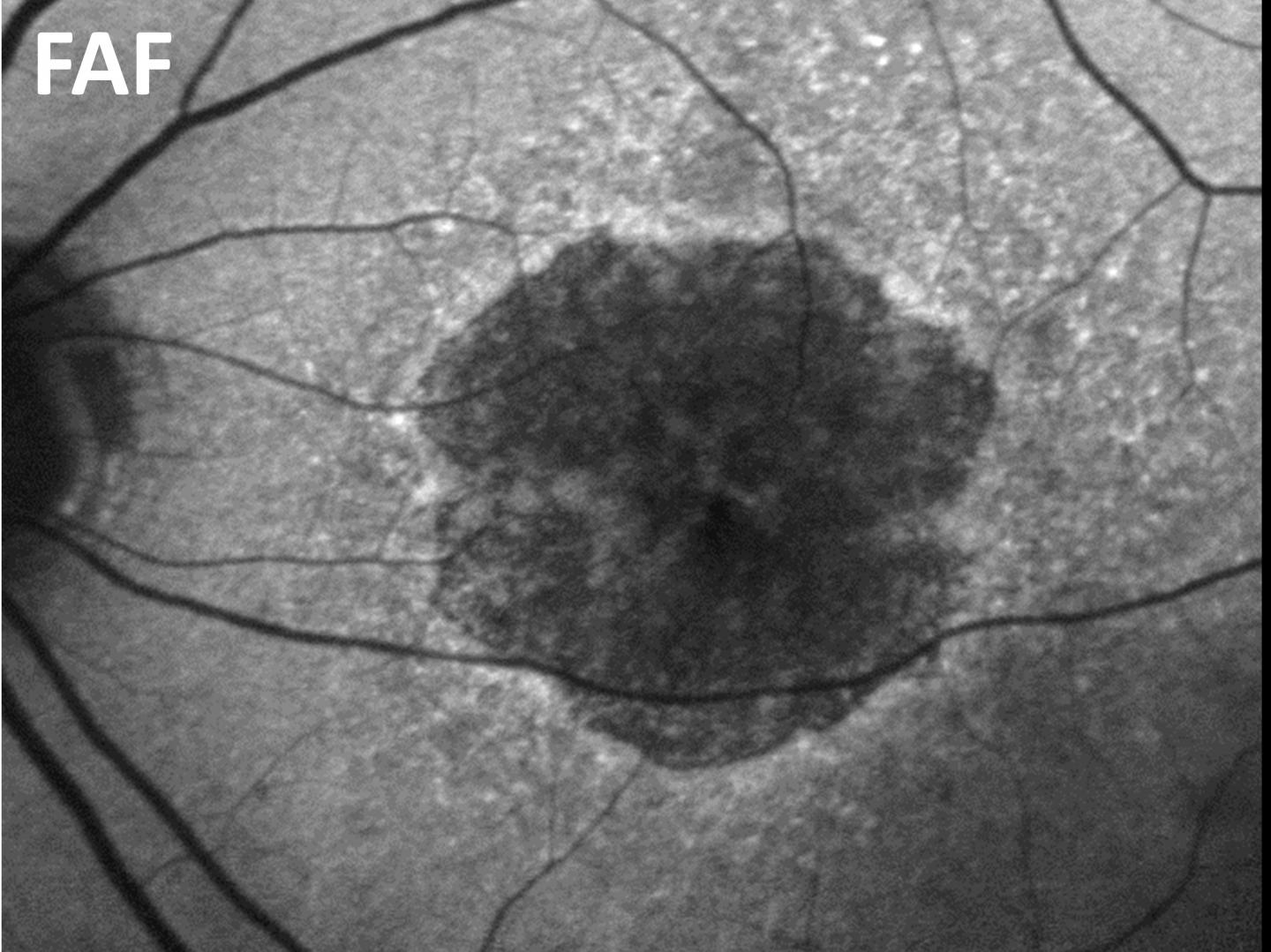
Credit: © Universitäts-Augenklinik Bonn
A software based on artificial intelligence (AI), which was developed by researchers at the Eye Clinic of the University Hospital Bonn, Stanford University and University of Utah, enables the precise assessment of the progression of geographic atrophy (GA), a disease of the light sensitive retina caused by age-related macular degeneration (AMD). This innovative approach permits the fully automated measurement of the main atrophic lesions using data from optical coherence tomography, which provides three-dimensional visualization of the structure of the retina. In addition, the research team can precisely determine the integrity of light sensitive cells of the entire central retina and also detect progressive degenerative changes of the so-called photoreceptors beyond the main lesions. The findings will be used to assess the effectiveness of new innovative therapeutic approaches. The study has now been published in the journal “JAMA Ophthalmology“.
There is no effective treatment for geographic atrophy, one of the most common causes of blindness in industrialized nations. The disease damages cells of the retina and causes them to die. The main lesions, areas of degenerated retina, also known as “geographic atrophy”, expand as the disease progresses and result in blind spots in the affected person’s visual field. A major challenge for evaluating therapies is that these lesions progress slowly, which means that intervention studies require a long follow-up period. “When evaluating therapeutic approaches, we have so far concentrated primarily on the main lesions of the disease. However, in addition to central visual field loss, patients also suffer from symptoms such as a reduced light sensitivity in the surrounding retina,” explains Prof. Dr. Frank G. Holz, Director of the Eye Clinic at the University Hospital Bonn. “Preserving the microstructure of the retina outside the main lesions would therefore already be an important achievement, which could be used to verify the effectiveness of future therapeutic approaches.”
Integrity of light sensitive cells predicts disease progression
The researchers were furthermore able to show that the integrity of light sensitive cells outside areas of geographic atrophy is a predictor of the future progression of the disease. “It may therefore be possible to slow down the progression of the main atrophic lesions by using therapeutic approaches that protect the surrounding light sensitive cells,” says Prof. Monika Fleckenstein of the Moran Eye Center at the University of Utah in the USA, initiator of the Bonn-based natural history study on geographic atrophy, on which the current publication is based.
“Research in ophthalmology is increasingly data-driven. The fully automated, precise analysis of the finest, microstructural changes in optical coherence tomography data using AI represents an important step towards personalized medicine for patients with age-related macular degeneration,” explains lead author Dr. Maximilian Pfau from the Eye Clinic at the University Hospital Bonn, who is currently working as a fellow of the German Research Foundation (DFG) and postdoctoral fellow at Stanford University in the Department of Biomedical Data Science. “It would also be useful to re-evaluate older treatment studies with the new methods in order to assess possible effects on photoreceptor integrity.”
###
Publication: Maximilian Pfau, Leon von der Emde, Luis de Sisternes, Joelle A. Hallak, Theodore Leng, Steffen Schmitz-Valckenberg, Frank G. Holz, Monika Fleckenstein, Daniel L. Rubin, MD: Progression of Photoreceptor Degeneration in Geographic Atrophy Secondary to Age-Related Macular Degeneration, JAMA Ophthalmology, DOI: 10.1001/jamaophthalmol.2020.2914
Media contact:
Dr. med. Maximilian Pfau
Augenklinik des Universitätsklinikums Bonn
Tel. +49-(0)228-28715505
E-mail: [email protected]
Media Contact
Dr. med. Maximilian Pfau
[email protected]
Related Journal Article
http://dx.