
• HOME
  • NEWS
  • EXPLORE
    • CAREER
      • Companies
      • Jobs
    • EVENTS
    • iGEM
      • News
      • Team
    • PHOTOS
    • VIDEO
    • WIKI
  • BLOG
  • COMMUNITY
    • FACEBOOK
    • INSTAGRAM
    • TWITTER
Thursday, September 10, 2026
BIOENGINEER.ORG
No Result
View All Result
  • Login
  • HOME
  • NEWS
  • EXPLORE
    • CAREER
      • Companies
      • Jobs
        • Lecturer
        • PhD Studentship
        • Postdoc
        • Research Assistant
    • EVENTS
    • iGEM
      • News
      • Team
    • PHOTOS
    • VIDEO
    • WIKI
  • BLOG
  • COMMUNITY
    • FACEBOOK
    • INSTAGRAM
    • TWITTER
  • HOME
  • NEWS
  • EXPLORE
    • CAREER
      • Companies
      • Jobs
        • Lecturer
        • PhD Studentship
        • Postdoc
        • Research Assistant
    • EVENTS
    • iGEM
      • News
      • Team
    • PHOTOS
    • VIDEO
    • WIKI
  • BLOG
  • COMMUNITY
    • FACEBOOK
    • INSTAGRAM
    • TWITTER
No Result
View All Result
Bioengineer.org
No Result
View All Result
Home NEWS Science News

Are we running out of vanilla? (video)

Bioengineer by Bioengineer
December 13, 2016
in Science News
Reading Time: 1 min read
0
Share on FacebookShare on TwitterShare on LinkedinShare on RedditShare on Telegram
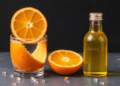
IMAGE

Credit: The American Chemical Society

WASHINGTON, Dec. 13, 2016 — Vanilla is more than a standby ice cream flavor. It's used to flavor approximately 18,000 food products worldwide and in nearly every sweet you can think of. But a shortage of vanilla beans and a rising demand for them means the rich, complex flavor of natural vanilla may become an expensive rarity. Can anything be done to solve this potential vanilla shortage? Check out the video here: https://youtu.be/9Cw6FEaQz4o.

###

Speaking of Chemistry is a production of Chemical & Engineering News, a weekly magazine of the American Chemical Society. It's the series that keeps you up to date with the important and fascinating chemistry shaping the world around you. Subscribe to the series at http://bit.ly/ACSReactions, and follow us on Twitter @CENMag.

The American Chemical Society is a nonprofit organization chartered by the U.S. Congress. With nearly 157,000 members, ACS is the world's largest scientific society and a global leader in providing access to chemistry-related research through its multiple databases, peer-reviewed journals and scientific conferences. Its main offices are in Washington, D.C., and Columbus, Ohio.

To automatically receive news releases from the American Chemical Society, contact [email protected].

Follow us: Twitter Facebook

Media Contact

Michael Bernstein
[email protected]
202-872-6042
@ACSpressroom

http://www.acs.org

############

Story Source: Materials provided by Scienmag

Share12Tweet8Share2ShareShareShare2

Related Posts

New molecular markers developed for saline-alkali tolerance in rapeseed

New molecular markers developed for saline-alkali tolerance in rapeseed

September 10, 2026
Genetic transformation of forage crops: barriers, evidence, and new strategies

Genetic transformation of forage crops: barriers, evidence, and new strategies

September 10, 2026

Dual-emission carbon dot films enable smartphone detection of nitrite and Fe3+ in water

September 10, 2026

Fullerene derivatives ease brain inflammation after cranial radiation therapy

September 10, 2026
Please login to join discussion

POPULAR NEWS

  • New molecular markers developed for saline-alkali tolerance in rapeseed

    29 shares
    Share 12 Tweet 7
  • Genetic transformation of forage crops: barriers, evidence, and new strategies

    29 shares
    Share 12 Tweet 7
  • Dual-emission carbon dot films enable smartphone detection of nitrite and Fe3+ in water

    29 shares
    Share 12 Tweet 7
  • Fullerene derivatives ease brain inflammation after cranial radiation therapy

    29 shares
    Share 12 Tweet 7

About

We bring you the latest biotechnology news from best research centers and universities around the world. Check our website.

Follow us

Recent News

New molecular markers developed for saline-alkali tolerance in rapeseed

Genetic transformation of forage crops: barriers, evidence, and new strategies

Dual-emission carbon dot films enable smartphone detection of nitrite and Fe3+ in water

Subscribe to Blog via Email

Enter your email address to subscribe to this blog and receive notifications of new posts by email.

Join 85 other subscribers
  • Contact Us

Bioengineer.org © Copyright 2023 All Rights Reserved.

Welcome Back!

Login to your account below

Forgotten Password?

Retrieve your password

Please enter your username or email address to reset your password.

Log In
No Result
View All Result
  • Homepages
    • Home Page 1
    • Home Page 2
  • News
  • National
  • Business
  • Health
  • Lifestyle
  • Science

Bioengineer.org © Copyright 2023 All Rights Reserved.