Researchers at Li Ka Shing Faculty of Medicine of The University of Hong Kong (HKU) have successfully demonstrated the use of human induced pluripotent stem cells (hiPSCs) from patients' skin cells for therapeutic drug testing. The success of the research implies that scientists are one step closer to applying stem cells in precision medicine in treating patients suffering from various rare hereditary diseases.
Since its invention by two independent research teams led by Professor Shinya Yamanaka at Kyoto University, Japan and Professor James Thomson at University of Wisconsin-Madison in 2007, patient-specific iPSCs hold promise to transform precision medicine, an emerging approach to disease treatment and prevention that takes into account of individual variability in the environment, lifestyle, and genetic makeup of patients, into real-life clinical practice. Sharing the same genetic composition of the donor patients and with the capacity to transform into all types of cells in our bodies, hiPSCs have been quickly emerging as the most promising candidate cell source for drug testing and drug screening.
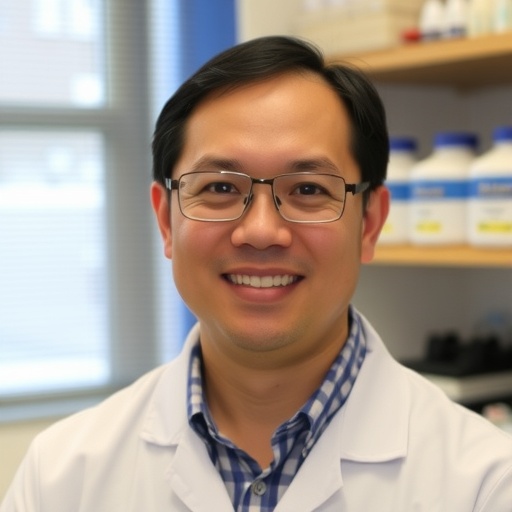
HKU team led by Professor David SIU Chung-wah, Clinical Professor, Department of Medicine, HKU, has been working for years to develop hiPSC-based therapy for various human diseases since 2008. In 2010, the team successfully developed custom-made protocol to generate animal product-free hiPSC. In the current study, hiPSC was generated from patients with a rare form hereditary cardiomyopathy due to mutations in the Lamin A/C (LMNA)-related cardiomyopathy in three families. Affected individuals develop heart failure, stroke, and sudden death in a relatively young age. To date, there is no specific treatment for this condition.
Research method and significance
The team tests a drug, PTC124, which can suppress certain genetic mutations in other hereditary disease in the patient-specific iPSC transformed heart muscle cells. In brief, the procedure could be explained as follows:
First, it was shown that these heart muscle cells reproduced the pathophysiological hallmarks of LMNA-related cardiomyopathy in a disc. Interestingly, PTC124 treatment restored the gene function and reversed pathological process in 1 of the 3 mutant heart muscle cell lines. Using cardiomyocytes derived from human induced pluripotent stem cells carrying different LMNA mutations, it was demonstrated that the effect of PTC124 is codon selective.
A premature stop codon UGA appeared to be most responsive to PTC124 treatment. This reinforces the need for precision medicine. hiPSC technology and in vitro drug testing strategies provide unparalleled opportunities to realize the promise of precision medicine. This strategy may be exploited to select the patients with maximum drug responsiveness for standard clinical trials. Then, the expected drug effects may be much larger, and the required sample size would then be much smaller, making standard randomized clinical trials possible.
While the technological breakthrough has moved the research closer to ultimate clinical uses of stem cells, the team has been contacting the drug company for clinical application. Meanwhile, Professor SIU and his team at the University are now building up a library of disease specific-hiPSC in order to facilitate research in understanding, treating, and preventing human diseases.
###
Media Contact
Ms Melanie Wan
[email protected]
852-285-92600
http://www.hku.hk/
https://www.hku.hk/press/press-releases/detail/17760.html