• HOME
  • NEWS
  • EXPLORE
    • CAREER
      • Companies
      • Jobs
    • EVENTS
    • iGEM
      • News
      • Team
    • PHOTOS
    • VIDEO
    • WIKI
  • BLOG
  • COMMUNITY
    • FACEBOOK
    • INSTAGRAM
    • TWITTER
Tuesday, September 1, 2026
BIOENGINEER.ORG
No Result
View All Result
  • Login
  • HOME
  • NEWS
  • EXPLORE
    • CAREER
      • Companies
      • Jobs
        • Lecturer
        • PhD Studentship
        • Postdoc
        • Research Assistant
    • EVENTS
    • iGEM
      • News
      • Team
    • PHOTOS
    • VIDEO
    • WIKI
  • BLOG
  • COMMUNITY
    • FACEBOOK
    • INSTAGRAM
    • TWITTER
  • HOME
  • NEWS
  • EXPLORE
    • CAREER
      • Companies
      • Jobs
        • Lecturer
        • PhD Studentship
        • Postdoc
        • Research Assistant
    • EVENTS
    • iGEM
      • News
      • Team
    • PHOTOS
    • VIDEO
    • WIKI
  • BLOG
  • COMMUNITY
    • FACEBOOK
    • INSTAGRAM
    • TWITTER
No Result
View All Result
Bioengineer.org
No Result
View All Result
Home NEWS Science News Biology

Antarctic salt-loving microbes provide insights into evolution of viruses

Bioengineer by Bioengineer
August 21, 2017
in Biology
Reading Time: 2 mins read
0
Share on FacebookShare on TwitterShare on LinkedinShare on RedditShare on Telegram
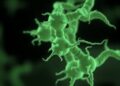
IMAGE

Credit: UNSW Sydney

UNSW Sydney scientists studying microbes from some of the saltiest lakes in Antarctica have discovered a new way that the microbes can share DNA that could help them grow and survive.

The research, based on 18 months of water sampling in remote Antarctic locations, including during the extreme cold of winter, could throw light on the evolutionary history of viruses.

The team unexpectedly discovered one strain of the Antarctic salt-loving microbes contained plasmids – small molecules of DNA which can replicate independently in a host cell, and which often contain genes useful to an organism.

"Unlike viruses, which encase themselves in a protective protein coat, plasmids usually move around by cell to cell contact, or as a piece of naked DNA," says research team leader, UNSW scientist Professor Rick Cavicchioli.

"But the plasmids that we found in the Antarctic microbes were masquerading as viruses. They produced proteins which went into the host's membrane, which then allowed the membrane to bud off containing the plasmid DNA.

"The budded membranes, called membrane vesicles, allowed the plasmids to infect microbes of the same species that did not have any plasmids present, and then replicate themselves in the new host," he says.

Study first author Dr Susanne Erdmann says: "This is the first time this mechanism has been documented. And it could be an evolutionary forerunner to some of the more structured protective coats that viruses have developed to help them spread and become successful invaders.

"This finding suggests some viruses may have evolved from plasmids," she says.

The study, by Dr Erdmann, Dr Bernhard Tschitschko, Dr Ling Zhong, Associate Professor Mark Raftery and Professor Cavicchioli, is published in the journal Nature Microbiology.

The Antarctic microbes studied by the researchers are called haloarchaea and are known to be promiscuous, swapping DNA readily between themselves.

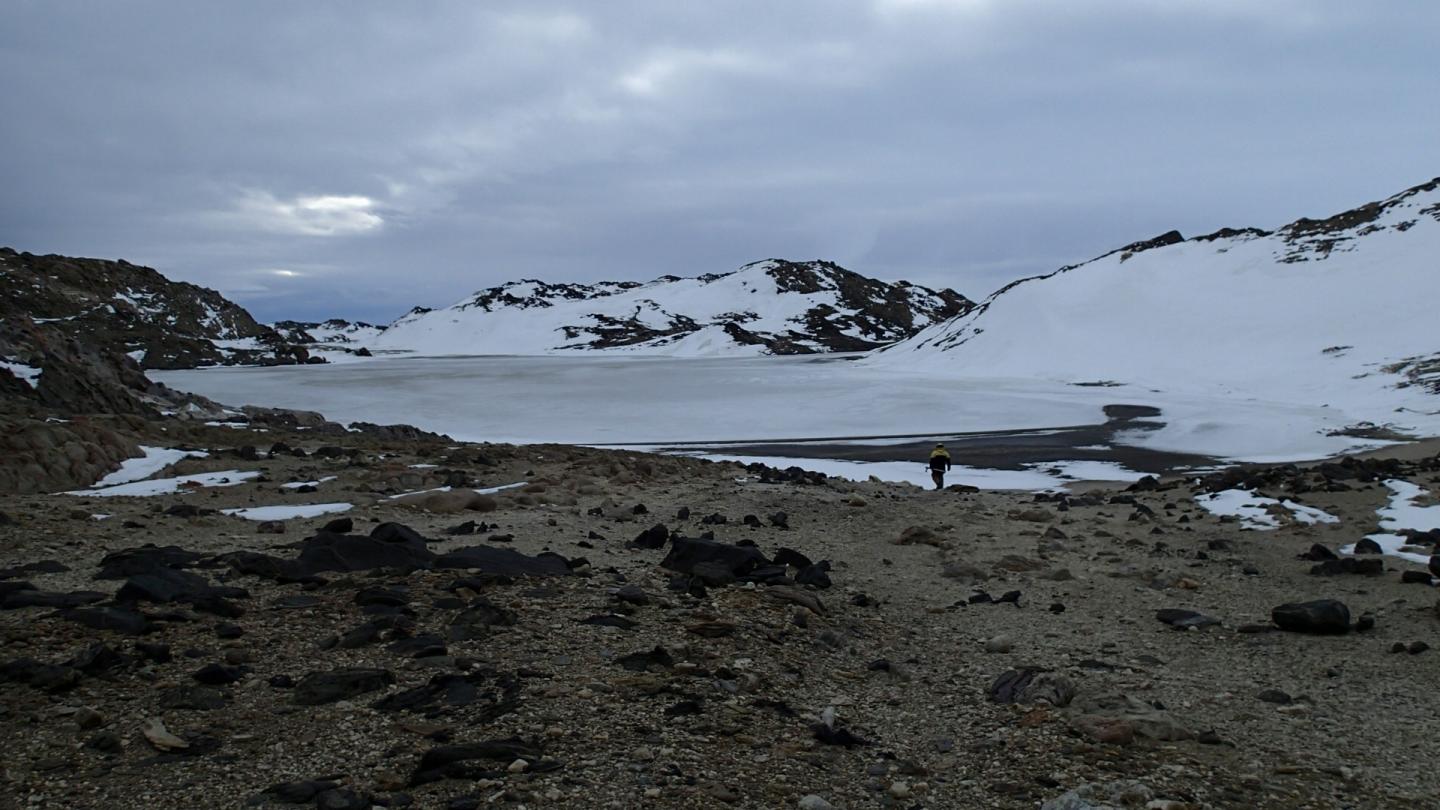
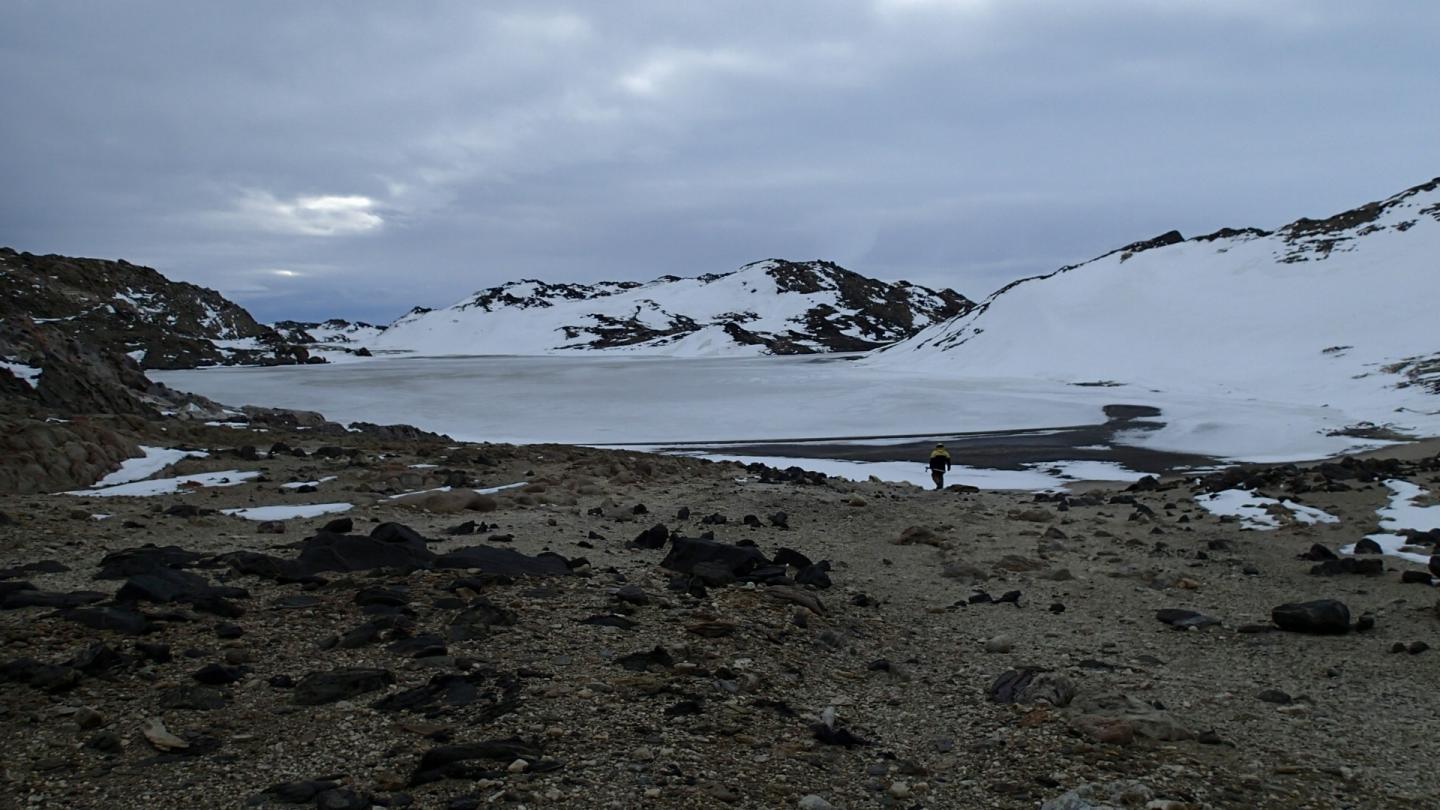
They can survive in Deep Lake, a 36-metre deep lake that is so salty it remains in liquid form down to a temperature of minus 20 degrees. The lake, which is about five kilometres from Australia's Davis Station, was formed about 3500 years ago when the Antarctic continent rose, isolating a section of ocean.

Haloarchaea microbes containing the plasmids were isolated from very rare water samples collected from the Rauer Islands about 35 kilometres further away.

"We also discovered that the plasmids could take some of the DNA from the host microbe, integrate it into their own DNA, produce membrane vesicles around themselves, and then go off and infect other cells," says Professor Cavicchioli.

"The findings are therefore relevant to Antarctic science as well as biology as a whole."

###

Key research on the plasmid proteins was carried out in the Bioanalytical Mass Spectrometry Facility at UNSW's Mark Wainwright Analytical Centre.

Media contacts:

Professor Rick Cavicchioli: +612 9385 3516, [email protected]

UNSW Science media officer: Deborah Smith: +612 9385 7307, +61 478 492 060, [email protected]

Media Contact

Deborah Smith
[email protected]
61-247-849-2060
@UNSWnews

http://www.unsw.edu.au

Share13Tweet8Share2ShareShareShare2

Related Posts

Methylation puts parasites in motion

Methylation puts parasites in motion

August 31, 2026
Desiccation promotes DNA damage and rifampin resistance in Mycobacterium tuberculosis

Desiccation promotes DNA damage and rifampin resistance in Mycobacterium tuberculosis

August 31, 2026

Gastrointestinal Parasitism in Cattle and Water Buffaloes in Pakistan: Prevalence and Associated Risk Factors

August 31, 2026

Development of HPLC–PDA method for steviol glycosides analysis in food matrices

August 31, 2026
Please login to join discussion

POPULAR NEWS

  • β-Sitosterol from Ipomoea carnea Jacq. As a promising anti-inflammatory agent: Evidence from in silico modeling and in vitro validation

    29 shares
    Share 12 Tweet 7
  • Design, fabrication and characterization of a wearable Fiber Bragg grating sensor for cardiorespiratory monitoring using finger plethysmography

    29 shares
    Share 12 Tweet 7
  • KAIST opens the era of industrial-scale microbial foods, proposing growth strategies for the next-generation protein market

    29 shares
    Share 12 Tweet 7
  • Virologist awarded $2 million NIH grant to investigate how virus-infected cells live and die

    29 shares
    Share 12 Tweet 7

About

We bring you the latest biotechnology news from best research centers and universities around the world. Check our website.

Follow us

Recent News

β-Sitosterol from Ipomoea carnea Jacq. As a promising anti-inflammatory agent: Evidence from in silico modeling and in vitro validation

Design, fabrication and characterization of a wearable Fiber Bragg grating sensor for cardiorespiratory monitoring using finger plethysmography

KAIST opens the era of industrial-scale microbial foods, proposing growth strategies for the next-generation protein market

Subscribe to Blog via Email

Enter your email address to subscribe to this blog and receive notifications of new posts by email.

Join 85 other subscribers
  • Contact Us

Bioengineer.org © Copyright 2023 All Rights Reserved.

Welcome Back!

Login to your account below

Forgotten Password?

Retrieve your password

Please enter your username or email address to reset your password.

Log In
No Result
View All Result
  • Homepages
    • Home Page 1
    • Home Page 2
  • News
  • National
  • Business
  • Health
  • Lifestyle
  • Science

Bioengineer.org © Copyright 2023 All Rights Reserved.