• HOME
  • NEWS
  • EXPLORE
    • CAREER
      • Companies
      • Jobs
    • EVENTS
    • iGEM
      • News
      • Team
    • PHOTOS
    • VIDEO
    • WIKI
  • BLOG
  • COMMUNITY
    • FACEBOOK
    • INSTAGRAM
    • TWITTER
Wednesday, May 20, 2026
BIOENGINEER.ORG
No Result
View All Result
  • Login
  • HOME
  • NEWS
  • EXPLORE
    • CAREER
      • Companies
      • Jobs
        • Lecturer
        • PhD Studentship
        • Postdoc
        • Research Assistant
    • EVENTS
    • iGEM
      • News
      • Team
    • PHOTOS
    • VIDEO
    • WIKI
  • BLOG
  • COMMUNITY
    • FACEBOOK
    • INSTAGRAM
    • TWITTER
  • HOME
  • NEWS
  • EXPLORE
    • CAREER
      • Companies
      • Jobs
        • Lecturer
        • PhD Studentship
        • Postdoc
        • Research Assistant
    • EVENTS
    • iGEM
      • News
      • Team
    • PHOTOS
    • VIDEO
    • WIKI
  • BLOG
  • COMMUNITY
    • FACEBOOK
    • INSTAGRAM
    • TWITTER
No Result
View All Result
Bioengineer.org
No Result
View All Result
Home NEWS Science News Biology

Andalusian experts indicate new elements responsible for instability in chromosomes

Bioengineer by Bioengineer
June 30, 2017
in Biology
Reading Time: 2 mins read
0
Share on FacebookShare on TwitterShare on LinkedinShare on RedditShare on Telegram
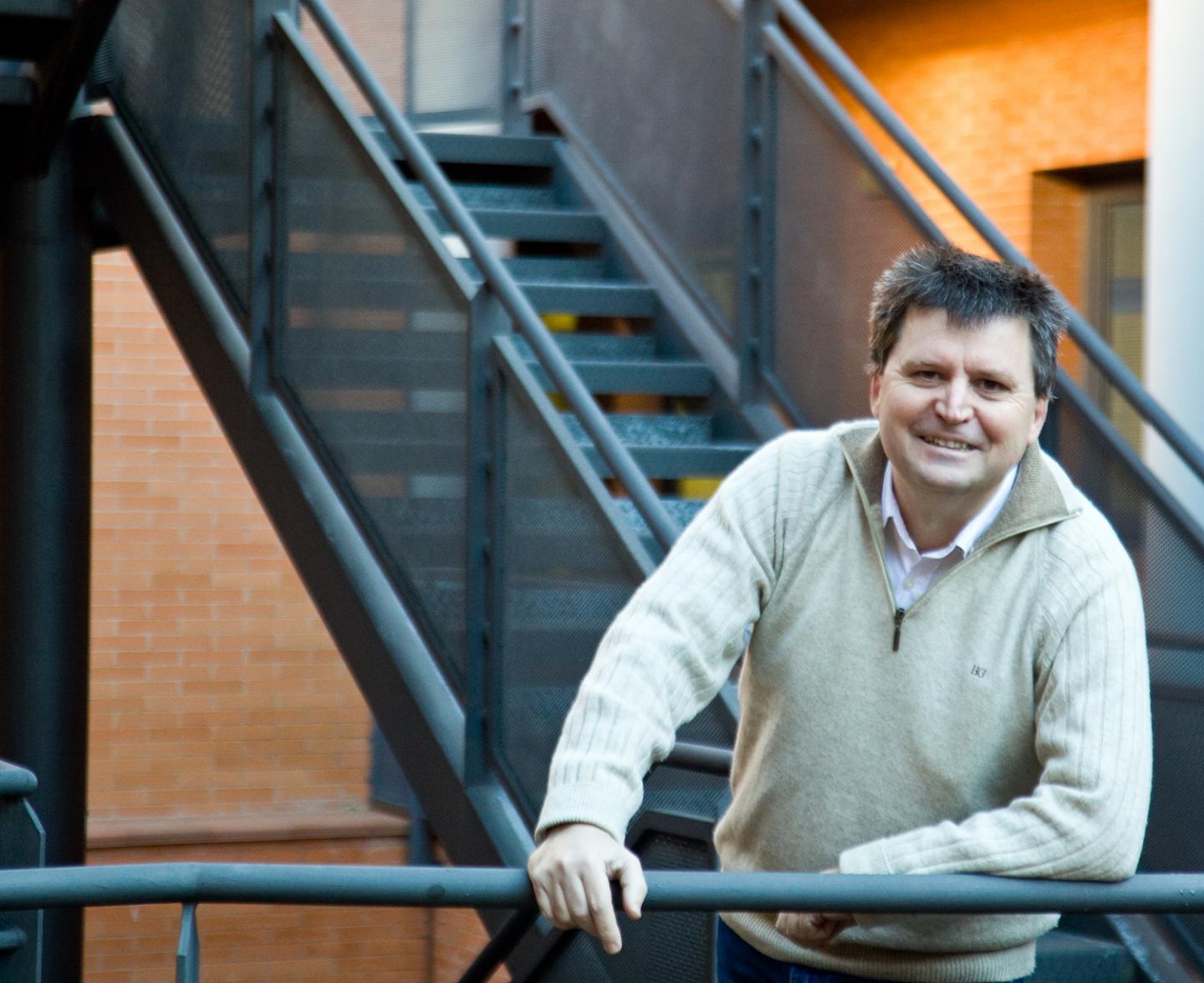
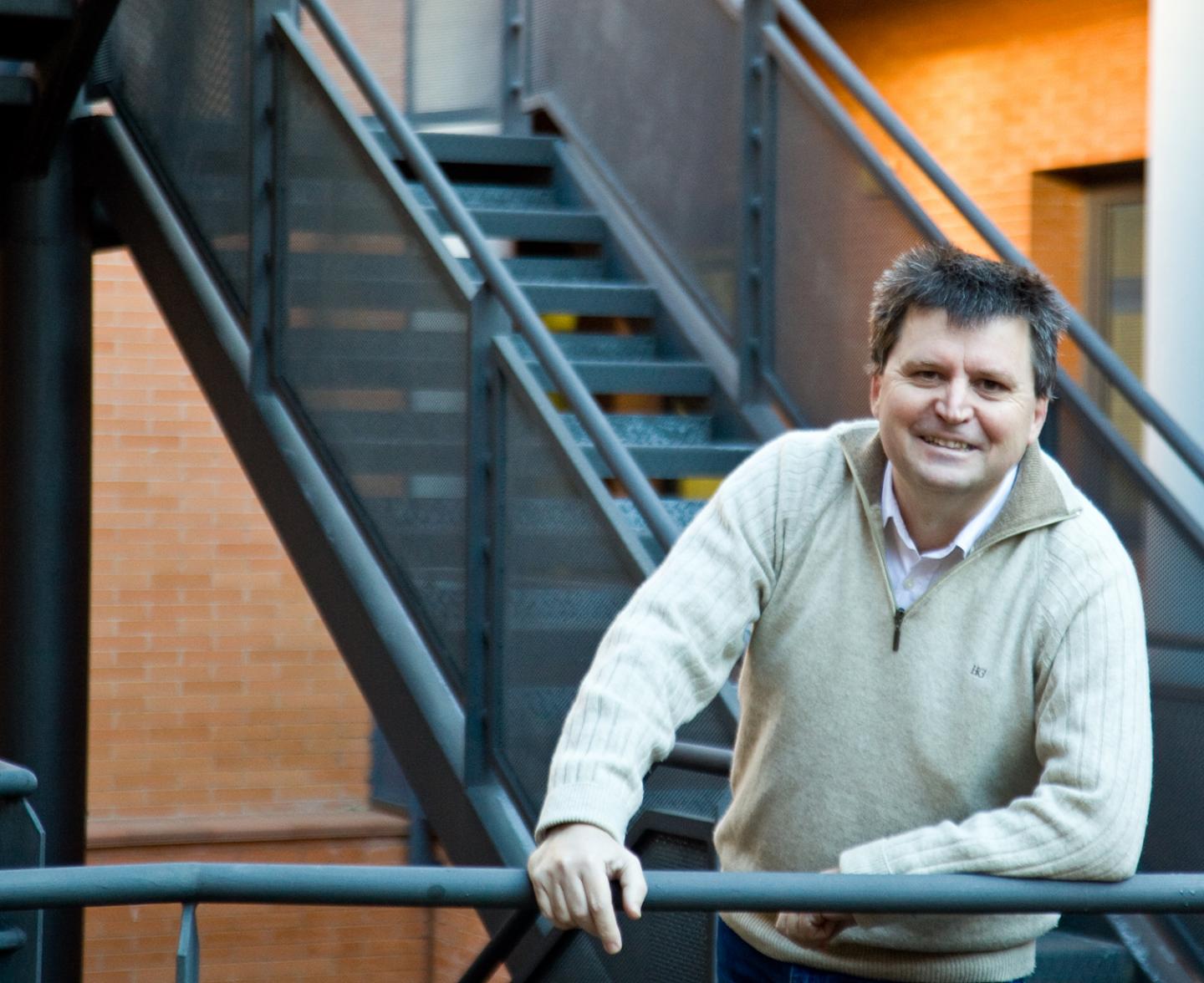
IMAGE

Credit: University of Seville

Genome instability is the main risk factor in the development of tumours in humans. Understanding how, where, when and why these mutations are produced in DNA is one of the great objectives of the global scientific community. Therefore, a group of experts from the University of Seville and the Andalusian Center for Molecular Biology and Regenerative Medicine (Cabimer) has published a study that indicates a new element involved in this process: chromatin.

In the scientific article "Histone mutations separate R loops from genome instability induction" published in Molecular Cell, the researchers state that RNA joins with DNA by chance or because of a disease, the structure of the chromatin, the protein envelope of the chromosomes is altered, causing breaks in the DNA. Gene mutations involved in the transcription and transport of RNA also cause damage in DNA, which they have shown is caused by changes in the chromatin. In these circumstances, the DNA cannot replicate itself naturally, generating replication stress, mutations and chromosome mutations.

"By means of basic research on model organisms, we are trying to understand human genome instability to identify elements, which, in the future, might be able to be explored as targets of new anti-tumour medicines", explains the researcher responsible for the project and director of Cabimer, Andrés Aguilera. Also, he adds that "in this project, we have taken a step forward in showing that chromatin also plays a key role on some DNA mutations, especially those controlled by RNA. If we can show that this anomaly doesn't occur in healthy cells, we will be able to think about exploring these structures as possible therapeutic targets".

The project is part of the doctoral theses of Desiré García-Pichardo and Juan Carlos Martínez Cañas co-directed by Ana García-Rondón and Belén-Gómez-González, among other authors, and is part of the European research project, ERC Advanced, directed by Andrés Aguilera to increase knowledge about genetic instability produced by DNA-RNA hybrids. This project started in 2015, and will finish at the end of 2020 and is financed by more than two million euros from the European Commission.

###

Media Contact

Andrés Aguilera
[email protected]
34-954-468-372
@unisevilla

http://www.us.es

Original Source

http://www.sciencedirect.com/science/article/pii/S1097276517303532 http://dx.doi.org/10.1016/j.molcel.2017.05.014

############

Story Source: Materials provided by Scienmag

Share12Tweet8Share2ShareShareShare2

Related Posts

Unraveling the Multifaceted Role of H2AK119 Mono-Ubiquitination in Biology and Disease — Biology

Unraveling the Multifaceted Role of H2AK119 Mono-Ubiquitination in Biology and Disease

May 20, 2026
Powerful Genetic Mutation Surpasses Female Protective Mechanisms in Autism — Biology

Powerful Genetic Mutation Surpasses Female Protective Mechanisms in Autism

May 20, 2026

Shandong University Researchers Innovate Multi-Scale Feature Fusion and Weighted Ensemble Learning for Precise Promoter Identification Across Cell Lines

May 20, 2026

Ancient Complex Life Thrived Along Oxygen-Rich Seafloors for Hundreds of Millions of Years

May 20, 2026
Please login to join discussion

POPULAR NEWS

  • blank

    New Study Reveals Plants Can Detect the Sound of Rain

    732 shares
    Share 292 Tweet 183
  • Research Indicates Potential Connection Between Prenatal Medication Exposure and Elevated Autism Risk

    846 shares
    Share 338 Tweet 212
  • ESMO 2025: mRNA COVID Vaccines Enhance Efficacy of Cancer Immunotherapy

    294 shares
    Share 118 Tweet 74
  • Breastmilk Balances E. coli and Beneficial Bacteria in Infant Gut Microbiomes

    58 shares
    Share 23 Tweet 15

About

We bring you the latest biotechnology news from best research centers and universities around the world. Check our website.

Follow us

Recent News

Revealing Hidden Objects Using Consumer LiDAR

AI System Revolutionizes Scientific Research by Automating Code Generation

Unraveling the Multifaceted Role of H2AK119 Mono-Ubiquitination in Biology and Disease

Subscribe to Blog via Email

Enter your email address to subscribe to this blog and receive notifications of new posts by email.

Join 82 other subscribers
  • Contact Us

Bioengineer.org © Copyright 2023 All Rights Reserved.

Welcome Back!

Login to your account below

Forgotten Password?

Retrieve your password

Please enter your username or email address to reset your password.

Log In
No Result
View All Result
  • Homepages
    • Home Page 1
    • Home Page 2
  • News
  • National
  • Business
  • Health
  • Lifestyle
  • Science

Bioengineer.org © Copyright 2023 All Rights Reserved.