• HOME
  • NEWS
  • EXPLORE
    • CAREER
      • Companies
      • Jobs
    • EVENTS
    • iGEM
      • News
      • Team
    • PHOTOS
    • VIDEO
    • WIKI
  • BLOG
  • COMMUNITY
    • FACEBOOK
    • INSTAGRAM
    • TWITTER
Monday, May 11, 2026
BIOENGINEER.ORG
No Result
View All Result
  • Login
  • HOME
  • NEWS
  • EXPLORE
    • CAREER
      • Companies
      • Jobs
        • Lecturer
        • PhD Studentship
        • Postdoc
        • Research Assistant
    • EVENTS
    • iGEM
      • News
      • Team
    • PHOTOS
    • VIDEO
    • WIKI
  • BLOG
  • COMMUNITY
    • FACEBOOK
    • INSTAGRAM
    • TWITTER
  • HOME
  • NEWS
  • EXPLORE
    • CAREER
      • Companies
      • Jobs
        • Lecturer
        • PhD Studentship
        • Postdoc
        • Research Assistant
    • EVENTS
    • iGEM
      • News
      • Team
    • PHOTOS
    • VIDEO
    • WIKI
  • BLOG
  • COMMUNITY
    • FACEBOOK
    • INSTAGRAM
    • TWITTER
No Result
View All Result
Bioengineer.org
No Result
View All Result
Home NEWS Science News Biology

Ancient fungi could help Canada’s future northern forests

Bioengineer by Bioengineer
July 5, 2017
in Biology
Reading Time: 2 mins read
0
Share on FacebookShare on TwitterShare on LinkedinShare on RedditShare on Telegram
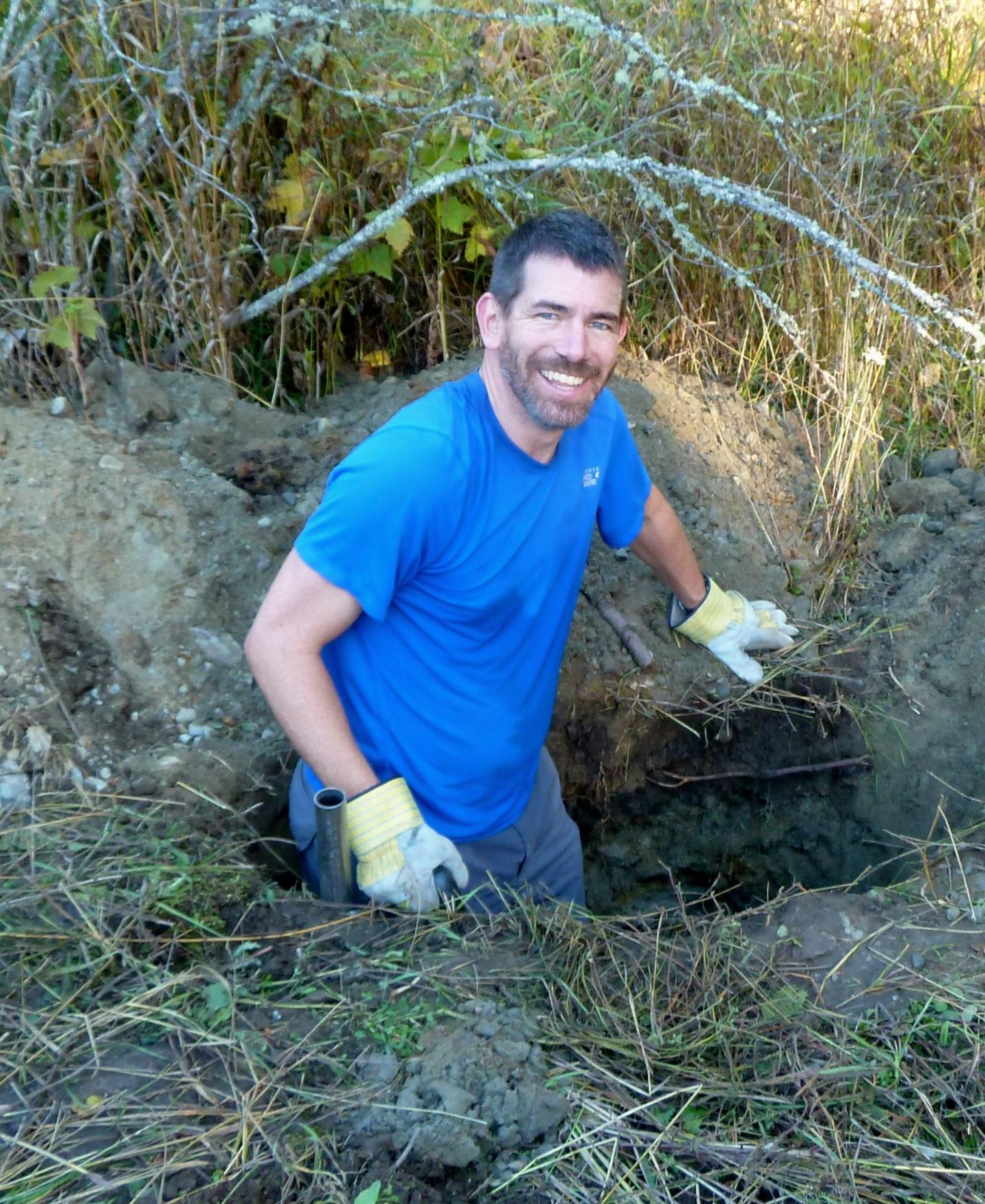
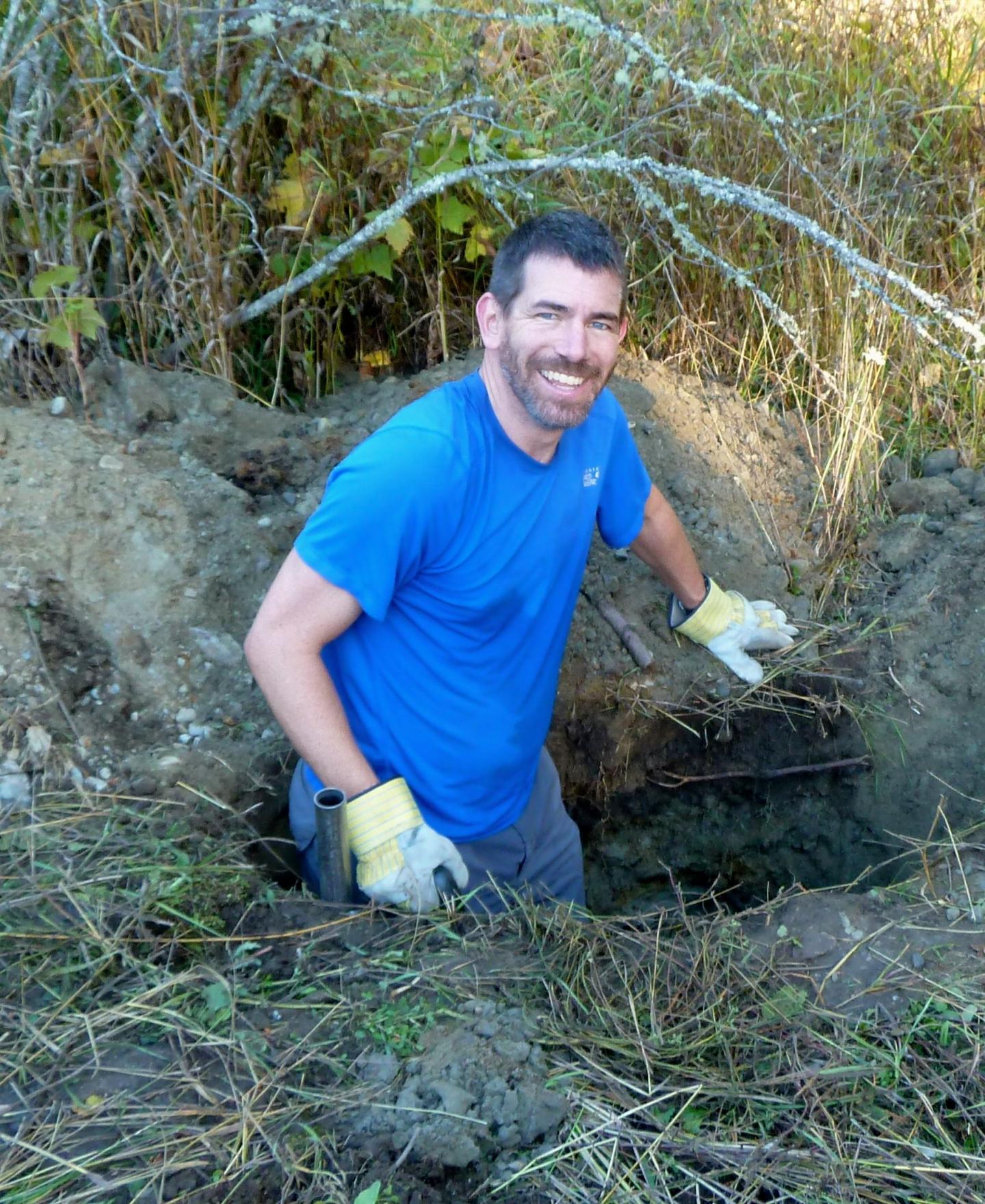
IMAGE

Credit: UBC Okanagan

As Canada's vast boreal and tundra ecosystems experience dramatic warming due to climate change, trees are rapidly spreading north. New research from UBC's Okanagan Campus suggests some of these trees could be getting help from a surprising source: fungi that have lain dormant underground for thousands of years.

"The idea that long-dormant, symbiotic fungi could help trees migrate during periods of rapid climate change has been around for decades, but no one had taken it seriously enough to investigate," says the study's co-author Jason Pither, associate professor of biology at UBC Okanagan. "Could fungi actually remain dormant and viable for thousands of years and be resurrected by plants growing today? Our research suggests it's possible."

In collaboration with Brian Pickles, a former UBC postdoctoral researcher now lecturer at the University of Reading in the UK, Pither sifted through research from around the world and across many different disciplines. They found that all the key ingredients to allow this to happen were there.

For example, some common types of fungi produce spores with characteristics that should allow them to survive over extremely long periods of time, especially in cold environments, such as those found in Canada's vast permafrost regions.

While it may seem farfetched to some, Pither says this "paleosymbiosis hypothesis" deserves serious consideration. If upheld, the implications could be significant.

"Fungi that were active and successful during past climate conditions could help Canada's forests withstand the stresses of modern climate change."

The study appears in the June 2017 issue of FEMS Microbiology Ecology, and was conducted with financial support from the Natural Sciences and Engineering Research Council of Canada (Discovery Grants program).

###

Media Contact

Nathan Skolski
[email protected]
250-807-9926

http://ok.ubc.ca/welcome.html

############

Story Source: Materials provided by Scienmag

Share12Tweet8Share2ShareShareShare2

Related Posts

CRISPRi Screening Identifies Fungal-Specific Drug Targets — Biology

CRISPRi Screening Identifies Fungal-Specific Drug Targets

May 11, 2026
Transforming Jellyfish Bycatch into a Valuable Collagen Source for Cosmetics and Biotechnology — Biology

Transforming Jellyfish Bycatch into a Valuable Collagen Source for Cosmetics and Biotechnology

May 11, 2026

Ancient Plant Populations Reveal Fresh Insights into Climate Resilience

May 8, 2026

Rare Brain Disorders in Children Linked to Mutations in Lesser-Known Protein Complex

May 8, 2026
Please login to join discussion

POPULAR NEWS

  • Research Indicates Potential Connection Between Prenatal Medication Exposure and Elevated Autism Risk

    841 shares
    Share 336 Tweet 210
  • New Study Reveals Plants Can Detect the Sound of Rain

    728 shares
    Share 290 Tweet 182
  • Salmonella Haem Blocks Macrophages, Boosts Infection

    62 shares
    Share 25 Tweet 16
  • Breastmilk Balances E. coli and Beneficial Bacteria in Infant Gut Microbiomes

    57 shares
    Share 23 Tweet 14

About

We bring you the latest biotechnology news from best research centers and universities around the world. Check our website.

Follow us

Recent News

ACAD8 Deficiency Drives Cardiac Hypertrophy via Histone Modification

CRISPRi Screening Identifies Fungal-Specific Drug Targets

Helical Flows Induce Rotation in Viscous Microenvironments

Subscribe to Blog via Email

Enter your email address to subscribe to this blog and receive notifications of new posts by email.

Join 82 other subscribers
  • Contact Us

Bioengineer.org © Copyright 2023 All Rights Reserved.

Welcome Back!

Login to your account below

Forgotten Password?

Retrieve your password

Please enter your username or email address to reset your password.

Log In
No Result
View All Result
  • Homepages
    • Home Page 1
    • Home Page 2
  • News
  • National
  • Business
  • Health
  • Lifestyle
  • Science

Bioengineer.org © Copyright 2023 All Rights Reserved.