


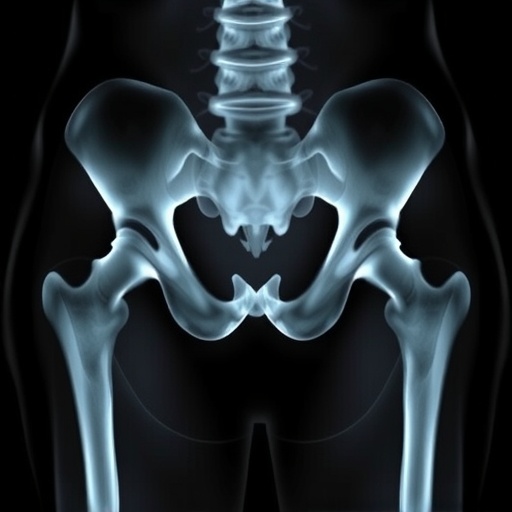
Recent research has illuminated the complex interplay of risk factors associated with developmental dysplasia of the hip (DDH), a condition that can have significant implications for both infants and their families. The study conducted by Demirel, Demir, and Çalış sheds new light on the link between various risk factors and the ultrasonographic hip types observed in children afflicted by this condition. This rigorous examination utilizes multivariate regression analysis to draw meaningful conclusions that could potentially reshape current diagnostic and treatment practices in pediatric care.
Developmental dysplasia of the hip is a condition where the hip joint has not formed properly in babies and young children. When left undiagnosed or untreated, DDH can lead to severe complications that may necessitate surgical intervention in later childhood or adulthood. Untangling the associated risk factors that can lead to DDH is therefore a critical area of inquiry, particularly in light of rising awareness and diagnosis rates over the past few decades.
The authors begin their analysis by focusing on established risk factors such as familial history, breech delivery, and certain maternal factors during pregnancy, which have been posited in earlier studies as potential contributors to the risk of DDH. Their findings reveal a nuanced relationship wherein not all risk factors exert equal influence or interact in predictable ways, thus underscoring the need for individual assessments in clinical settings.
One of the key aspects of this study is the application of multivariate regression analysis, a sophisticated statistical technique that allows the authors to control for multiple variables simultaneously. This method enhances the reliability of their findings by accounting for potential confounders and enabling a clearer view of the direct relationships between the identified risk factors and the ultrasonographic hip types categorized in their cohort of participants.
Through this meticulous approach, the research team identified several new associations that had previously been overlooked. For instance, certain anthropometric measurements of infants available at birth, such as birth weight and gestational age, emerged as significant predictors of ultrasonographic hip types. These insights enrich the existing body of knowledge surrounding the neonate’s physical development and the multifaceted aspects of DDH.
Moreover, the study emphasizes the importance of early detection through regular screening protocols, particularly for those infants identified as high risk due to factors such as a family history of DDH or abnormal positioning in utero. The implications of this research extend beyond clinical diagnostics; they engage with the broader conversation regarding public health and awareness campaigns, which can educate parents and healthcare providers about the signs and symptoms of DDH.
Procedural aspects of the study involved gathering a diverse sample population, ensuring that the findings are generalizable across different demographics. This approach allows the authors to recommend targeted interventions that consider ethnic, geographic, and socio-economic factors, addressing disparities in health outcomes related to DDH.
The study’s rigorous methodology and transparent discussion of findings position it as a valuable resource for both academic and clinical professionals. By revisiting the associations between risk factors and hip types, Demirel and colleagues are not only contributing to the existing literature but also fostering dialogue on how to implement these findings practically within pediatric healthcare frameworks.
As researchers build on this foundational work, it is anticipated that future studies will explore further dimensions of DDH risk, such as genetic predispositions or environmental influences. The ongoing discourse around developmental dysplasia of the hip holds promise for enhancing preventative strategies and therapeutic interventions, which in turn can improve quality of life outcomes for affected individuals.
In summary, the work by Demirel et al. represents a significant contribution to our understanding of developmental dysplasia of the hip. Their multidisciplinary approach and commitment to data-driven conclusions shine a light on previously precarious associations and pave the way for innovative practices in prevention, detection, and treatment. As further investigations unfold, the healthcare community remains hopeful that enhanced research efforts will translate into practical solutions and improved outcomes for at-risk infants.
This compelling study invites healthcare professionals, researchers, and policymakers alike to reconsider existing frameworks surrounding DDH, highlighting the necessity for a proactive rather than reactive stance in addressing this common yet complex condition. By staying attuned to the latest research, the medical community can better equip itself with the knowledge and tools necessary to ensure the best care for infants at risk of developmental dysplasia of the hip.
In conclusion, the meticulous investigation carried out by Demirel, Demir, and Çalış not only contributes substantially to the existing scientific narrative but also emphasizes the importance of early intervention and awareness in the management of developmental dysplasia of the hip. As we stand on the cusp of new insights and advances, it becomes crucial to harness this knowledge in practical applications, ultimately driving forward the mission of safeguarding the health and well-being of future generations.
Subject of Research: Risk factors associated with developmental dysplasia of the hip (DDH)
Article Title: Revisiting selected risk factors and their association with ultrasonographic hip types in developmental dysplasia of the hip: a multivariate regression analysis.
Article References:
Demirel, M., Demir, B., Çalış, Z.E. et al. Revisiting selected risk factors and their association with ultrasonographic hip types in developmental dysplasia of the hip: a multivariate regression analysis.
BMC Pediatr (2026). https://doi.org/10.1186/s12887-025-06426-6
Image Credits: AI Generated
DOI: 10.1186/s12887-025-06426-6
Keywords: Developmental Dysplasia of the Hip, Risk Factors, Multivariate Regression Analysis, Pediatric Healthcare, Early Detection, Public Health, Neonatal Outcomes.
Tags: breech delivery and hip dysplasiacomplications of untreated hip dysplasiadevelopmental dysplasia of the hip analysisdiagnostic techniques for DDHfamilial history of hip dysplasiahip dysplasia risk factorsimplications of hip joint abnormalitiesmaternal factors affecting hip developmentmultivariate regression in healthcarepediatric care and treatment practicesrecent research on hip dysplasiaultrasound in pediatric diagnosis



