• HOME
  • NEWS
  • EXPLORE
    • CAREER
      • Companies
      • Jobs
    • EVENTS
    • iGEM
      • News
      • Team
    • PHOTOS
    • VIDEO
    • WIKI
  • BLOG
  • COMMUNITY
    • FACEBOOK
    • INSTAGRAM
    • TWITTER
Tuesday, May 19, 2026
BIOENGINEER.ORG
No Result
View All Result
  • Login
  • HOME
  • NEWS
  • EXPLORE
    • CAREER
      • Companies
      • Jobs
        • Lecturer
        • PhD Studentship
        • Postdoc
        • Research Assistant
    • EVENTS
    • iGEM
      • News
      • Team
    • PHOTOS
    • VIDEO
    • WIKI
  • BLOG
  • COMMUNITY
    • FACEBOOK
    • INSTAGRAM
    • TWITTER
  • HOME
  • NEWS
  • EXPLORE
    • CAREER
      • Companies
      • Jobs
        • Lecturer
        • PhD Studentship
        • Postdoc
        • Research Assistant
    • EVENTS
    • iGEM
      • News
      • Team
    • PHOTOS
    • VIDEO
    • WIKI
  • BLOG
  • COMMUNITY
    • FACEBOOK
    • INSTAGRAM
    • TWITTER
No Result
View All Result
Bioengineer.org
No Result
View All Result
Home Headlines

Amphibian approach to help bones heal faster and better

Bioengineer.org by Bioengineer.org
January 30, 2018
in Headlines, Health, Science News
Reading Time: 2 mins read
0
Share on FacebookShare on TwitterShare on LinkedinShare on RedditShare on Telegram
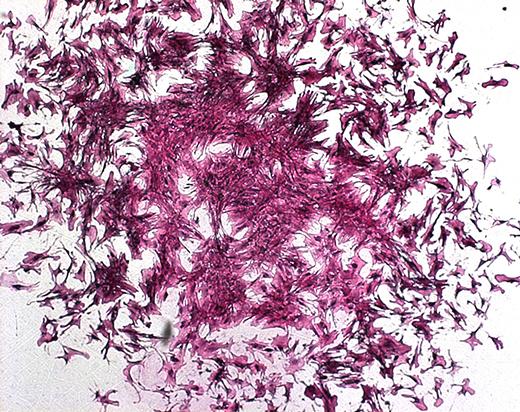
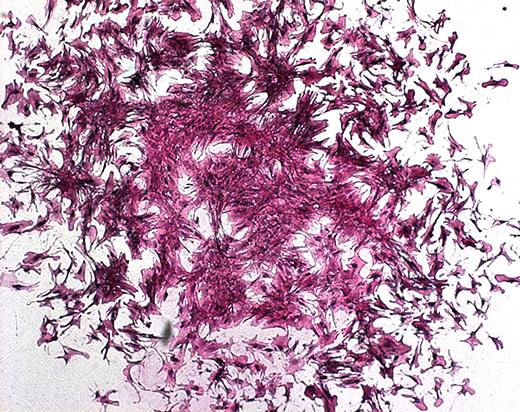
IMAGE

Inspired by amphibians like salamanders, researchers from the University of Southampton are developing a new type of drug that may help bones heal faster and better.

Using bone samples from people undergoing hip replacement surgery, the researchers were able to show that the drug — a protein that activates a molecular pathway called the 'Wnt' pathway — causes stem cells found within bones to divide and to turn into more bone cells.

The Wnt pathway is found throughout the animal kingdom — from sponges to humans – and it plays a fundamental role in animal development and disease. It is involved in controlling the growth of stem cells, which are 'master cells' that help restore tissues after injury. One example of this is in amphibians like salamanders. If these animals lose a leg, they can just regrow a new one.

Dr Nick Evans, Associate Professor in Bioengineering at the University of Southampton and lead author of the study, says: "Bone fractures are a big problem in society, especially in older people. It is getting worse as more people get older and their risk of fracture increases. Most fractures heal completely by themselves, but a surprising number, around 10 per cent, take over six months to heal, or never heal at all. In the worst cases this can lead to several surgical operations, or even amputation.

"Through our research, we are trying to find ways to chemically stimulate Wnt signaling using drugs. To achieve this, we selectively deliver proteins and other molecules that change Wnt signalling specifically to stem cells, particularly in the bone. This may help us find cures for many diseases, including bone disease, and speed up bone healing after fracture."

However the researchers found that if the Wnt pathway was switched on too long, the regenerative effect was lost or, even reversed.

"This is why it is particularly important to develop technologies for timed and targeted delivery, which is what we have done in this research," Nick added.

The research is published in the journal Stem Cells.

###
Share14Tweet8Share2ShareShareShare2

Related Posts

Ice-forming proteins spark innovative ‘cool’ technologies

May 19, 2026
Enhancing Efficiency and Sustainability in Chemical Reaction Control — Chemistry

Enhancing Efficiency and Sustainability in Chemical Reaction Control

May 19, 2026

Floating solar systems surge ahead as land-based solar power falls behind

May 19, 2026

New Benchmarks Inspired by Leading Experts Drive Achievable Excellence in Pediatric Emergency Care

May 19, 2026
Please login to join discussion

POPULAR NEWS

  • Research Indicates Potential Connection Between Prenatal Medication Exposure and Elevated Autism Risk

    845 shares
    Share 338 Tweet 211
  • New Study Reveals Plants Can Detect the Sound of Rain

    731 shares
    Share 292 Tweet 182
  • Salmonella Haem Blocks Macrophages, Boosts Infection

    62 shares
    Share 25 Tweet 16
  • Breastmilk Balances E. coli and Beneficial Bacteria in Infant Gut Microbiomes

    58 shares
    Share 23 Tweet 15

About

We bring you the latest biotechnology news from best research centers and universities around the world. Check our website.

Follow us

Recent News

Ice-forming proteins spark innovative ‘cool’ technologies

Enhancing Efficiency and Sustainability in Chemical Reaction Control

Floating solar systems surge ahead as land-based solar power falls behind

Subscribe to Blog via Email

Enter your email address to subscribe to this blog and receive notifications of new posts by email.

Join 82 other subscribers
  • Contact Us

Bioengineer.org © Copyright 2023 All Rights Reserved.

Welcome Back!

Login to your account below

Forgotten Password?

Retrieve your password

Please enter your username or email address to reset your password.

Log In
No Result
View All Result
  • Homepages
    • Home Page 1
    • Home Page 2
  • News
  • National
  • Business
  • Health
  • Lifestyle
  • Science

Bioengineer.org © Copyright 2023 All Rights Reserved.