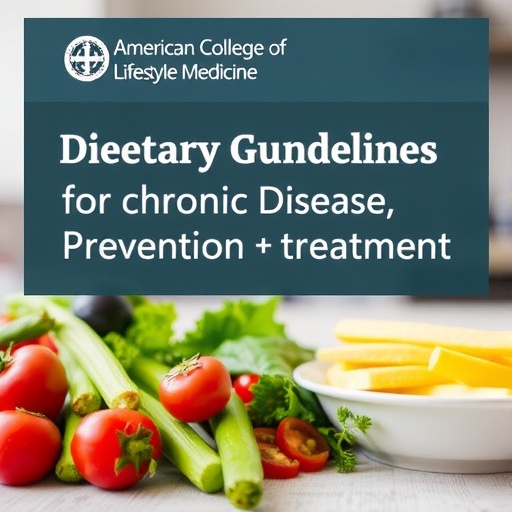
The American College of Lifestyle Medicine (ACLM) has recently unveiled an updated dietary position statement aimed at equipping clinicians with evidence-based guidance for the treatment, reversal, and prevention of chronic diseases through nutrition. This comprehensive update represents the culmination of an extensive year-long effort by a multidisciplinary expert task force. The leadership of this panel included Melissa Bernstein, PhD, RDN, LD, FAND, DipACLM, FACLM and Micaela Karlsen, PhD, MSPH, who brought scientific rigor and clinical insight to the development process. This statement emerges at a critical juncture as nutrition’s role in health care garners increasing scholarly and public attention.
Chronic diseases continue to exert a tremendous toll on global health, with dietary factors identified as the fifth-leading cause of premature mortality according to the 2023 Institute for Health Metrics and Evaluation report. The updated ACLM position delineates “Food as Medicine” (FAM) as a paradigm where food and nutrition interventions, implemented and personalized by trained healthcare professionals, are fundamental therapeutic tools. These therapeutic strategies emphasize person-centered care, cultural sensitivity, and collaborative decision-making, underscoring the importance of meeting individuals where they are on their health journeys.
Scientific consensus increasingly points toward plant-forward dietary patterns as the most effective intervention to combat chronic diseases of lifestyle origins. Extensive observational and clinical trial data link higher intakes of whole, minimally processed plant foods—such as vegetables, fruits, legumes, whole grains, nuts, and mushrooms—to significantly reduced risks of cardiovascular disease, type 2 diabetes, certain cancers, neurodegenerative disorders including dementia, and overall all-cause mortality. Conversely, the consumption of ultra-processed foods—which frequently contain added sugars, unhealthy fats, refined carbohydrates, and excessive sodium—is associated with exacerbated risks for cardiometabolic dysfunction, mental health disorders, and elevated mortality.
The ACLM expert panel, representing diverse disciplines including registered dietitian nutritionists, medical doctors, research scientists, chefs, and health coaches, rigorously evaluated the existing body of evidence to formulate clear, clinically relevant guidance. The panel emphasizes the necessity of structured, evidence-informed dietary prescriptions that vary in intensity and focus depending on whether the goal is health promotion, disease prevention, or active disease reversal. Such graduated interventions represent a continuum of care, tailored to the unique needs of the patient and the specific clinical context.
Central to this updated paradigm is an optimal dietary pattern rooted primarily in the diversity of minimally processed plant foods. The recommended diet emphasizes nutrient density while ensuring energy requirements are met without excess. Importantly, this approach advocates for a marked reduction in red and processed meat consumption, which have been consistently linked to elevated risks for multiple chronic conditions. By limiting foods high in saturated fats and avoiding ultra-processed products, the dietary recommendations aim to mitigate inflammation, oxidative stress, and the metabolic derangements underlying chronic diseases.
Effective clinical integration of Food as Medicine requires an interprofessional approach whereby healthcare teams operate synergistically within their licensed scopes of practice. ACLM identifies registered dietitian nutritionists certified in lifestyle medicine as essential team members, capable of delivering specialized nutritional counseling and behavioral support. This collaborative healthcare delivery model maximizes therapeutic efficacy and supports sustainable lifestyle changes by leveraging the expertise of multiple disciplines, including culinary medicine practitioners and behavioral health providers.
This updated dietary position statement builds upon ACLM’s two decades of pioneering efforts in lifestyle medicine education and resource development. With more than 1.2 million educational hours delivered since 2004, ACLM has empowered healthcare professionals to integrate lifestyle interventions into routine practice effectively. The organization’s growing repository of tools and curricula reflects the dynamic evolution of evidence-based nutrition science and its translation into scalable clinical applications.
In tandem with the statement release, ACLM highlights a landmark 2023 systematic comparison published in Advances in Nutrition demonstrating robust alignment across global clinical practice guidelines for major chronic diseases. This study corroborates the emphasis on plant-based food sources, moderate salt and alcohol intake, and the de-emphasis on animal-derived saturated fats and processed foods. The convergence of dietary guidelines across multiple chronic illnesses validates the universality of plant-predominant diets in chronic disease management.
The broader implications of ACLM’s updated stance extend to the future of healthcare design, advocating for lifestyle medicine as the foundational framework for value-based, equitable, and patient-centered care. Recognizing lifestyle-related chronic diseases as preventable and reversible through diet and behavior, the statement encourages a systemic reorientation toward upstream modifiable risk factors rather than late-stage pharmaceutical interventions. This repositioning responds directly to the urgent need for sustainable healthcare models amid escalating chronic disease burdens worldwide.
Beyond clinical settings, the concept of Food as Medicine aligns with public health efforts aimed at addressing nutrition security and health disparities. The explicit acknowledgment that provision of healthy food and related resources should target underserved populations reflects a commitment to social determinants of health and health equity. Integrating culinary skills, behavioral support, and culturally tailored education further strengthens community engagement and adherence.
ACLM’s vision is to make food the first line of defense against chronic disease, embedding nutritional science firmly within the fabric of medical practice. As Bernstein emphasizes, the organization is propelling Food as Medicine from a niche concept into mainstream healthcare strategy. This transition demands systemic adjustments in practitioner training, healthcare infrastructure, reimbursement structures, and research priorities.
As the dialogue surrounding nutrition’s critical role in health accelerates, the ACLM position statement serves as a rigorous, actionable roadmap for clinicians worldwide. It underscores the irreducible value of whole-food, plant-predominant diets as both preventive and therapeutic modalities. By operationalizing these dietary frameworks within interdisciplinary teams and through culturally informed interventions, healthcare systems can achieve meaningful reductions in chronic disease prevalence and associated human suffering.
For those seeking further insight into ACLM’s updated dietary position and its practical implications, in-depth resources and clinical tools are available through the ACLM’s comprehensive online platform. This repository supports healthcare providers in translating the latest science into patient-centered care, fortifying the role of nutrition as medicine in the quest for optimal health.
Subject of Research: Clinical dietary guidelines focusing on Food as Medicine for chronic disease treatment and prevention
Article Title: American College of Lifestyle Medicine Releases Updated Dietary Position Statement Emphasizing Whole-Food, Plant-Predominant Patterns
News Publication Date: Not specified in the original content
Web References:
https://pmc.ncbi.nlm.nih.gov/articles/PMC9899747/ (Cardiovascular disease)
https://pmc.ncbi.nlm.nih.gov/articles/PMC10157510/ (Dementia)
https://pmc.ncbi.nlm.nih.gov/articles/PMC10548756/ (Type 2 diabetes and cancer)
https://pmc.ncbi.nlm.nih.gov/articles/PMC10652524/ (All-cause mortality)
https://pubmed.ncbi.nlm.nih.gov/38418082/ (Ultra-processed foods risks)
https://pmc.ncbi.nlm.nih.gov/articles/PMC10201822/ (Guidelines comparison study)
Image Credits: ACLM
Keywords: Lifestyle medicine, Food as Medicine, chronic disease, plant-based diet, nutrition interventions, dietary guidelines, whole-food diet, interprofessional health care, nutrition security, medical education
Tags: American College of Lifestyle Medicinechronic disease preventioncultural sensitivity in healthcaredietary guidelines for chronic diseaseevidence-based nutrition strategiesFood as Medicine approachmultidisciplinary dietary task forcenutrition’s role in health careperson-centered nutritional careplant-forward dietary patternsreversing chronic diseases with diettherapeutic nutrition interventions