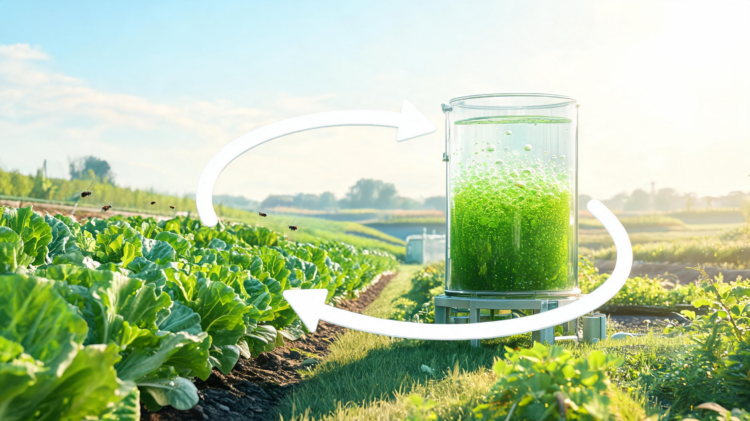
Synthetic pesticides have long been the default weapon against the insects, fungi, weeds, and nematodes that erode global crop yields, but their environmental costs are mounting. A comprehensive review published in the journal Blue Biotechnology argues that an unlikely group of organisms—microalgae and cyanobacteria—could reshape pest management from the ground up. Written by Adeline Juanita and Satya Sundar Mohanty of Karunya Institute of Technology and Sciences together with Kaustubha Mohanty of the Indian Institute of Technology Guwahati, the review synthesizes evidence that these photosynthetic microbes produce a striking arsenal of bioactive metabolites with insecticidal, fungicidal, herbicidal, and nematicidal properties, all while fitting neatly into circular-economy systems that recycle nutrients, treat wastewater, and capture carbon dioxide.
The case for alternatives is urgent. Synthetic pesticides pollute soil, water, and air, disrupt soil nutrient cycles, and harm pollinators, aquatic ecosystems, and the beneficial microbes that underpin crop productivity. Microalgae, which include both unicellular eukaryotes and cyanobacteria, grow rapidly, require few nutrients, and naturally generate compounds such as phenolics, fatty acids, and alkaloids that suppress pests and phytopathogens without damaging non-target organisms. Species like Chlorella and Scenedesmus have demonstrated the ability to control plant pathogens while enhancing soil health and plant growth through nutrient recycling and phytohormone production, positioning them as dual-purpose agents for crop protection and soil restoration.
What makes the approach genuinely circular is the feedstock. Microalgal cultivation can use agricultural runoff, organic residues, and even urban wastewater as growth media, recovering excess nitrogen and phosphorus that would otherwise pollute waterways. The harvested biomass is then converted into biopesticidal products, closing resource loops and minimizing waste. The authors also emphasize carbon: microalgae use specialized carbon-concentrating mechanisms and the enzyme Rubisco to fix CO2 at rates ten to fifty times higher than higher plants, even under low CO2 conditions. A single organism thus links pest control, carbon sequestration, wastewater remediation, and soil enrichment—functions rarely combined in existing biopesticide platforms.
The biochemical machinery behind these effects is now reasonably well mapped. Four major biosynthetic routes dominate secondary metabolite production: the shikimate pathway, which yields aromatic amino acids and alkaloids including the neurotoxin saxitoxin and compounds such as hapalindoles and ambiguines; the malonate or polyketide pathway, which extends carbon chains through successive additions of malonyl-CoA to produce bioactive fatty acids and polyketides; and the mevalonate and methylerythritol phosphate pathways, which supply isoprenoid precursors for terpenoids and carotenoids such as beta-carotene, zeaxanthin, and the antioxidant astaxanthin. In Chlamydomonas reinhardtii, the gene Cre17.g726750_4532 encodes the enzyme DAHPS that initiates the shikimate pathway, predicted to operate in the chloroplast, consistent with the plastidic location of this route in plants.
Fatty acid and triacylglycerol biosynthesis proceeds mainly in plastids and the endoplasmic reticulum, beginning with the conversion of pyruvate to acetyl-CoA and its carboxylation to malonyl-CoA by acetyl-CoA carboxylase. Chain elongation by the fatty-acid synthase complex, release by thioesterase, and assembly of storage lipids through enzymes such as GPAT, LPAAT, PAP, and DGAT generate polyunsaturated fatty acids including linolenic acid, which exhibits pesticidal activity. Carotenoid synthesis starts from geranylgeranyl pyrophosphate and proceeds through phytoene and lycopene to beta-carotene, with several of these enzymes already flagged as targets for metabolic engineering to boost yields. Cyanobacterial metabolites such as microcystins, anatoxin-A, hapalindoles, and cryptophycins generally show stronger direct pesticidal activity through neurotoxic, photosynthesis-inhibiting, or cytoskeletal-disrupting mechanisms, whereas green microalgae like Scenedesmus and Chlorella tend to act through growth inhibition and metabolic disruption of pests.
Turning these metabolites into usable products requires careful formulation. Biopesticides can be produced as water- or oil-based liquids, emulsions, or dry powders made by spray drying, freeze drying, or air drying. Formulators must preserve cell viability, protect photosensitive pigments, prevent ultraviolet degradation, and ensure the product spreads evenly on leaves and soil. Extracellular polymeric substances produced by many microalgal species complicate viscosity and adhesion, demanding customized strategies. Nanotechnology and microencapsulation are improving stability and delivery: nanoparticles of one to one hundred nanometers offer high surface reactivity and targeted delivery, while microencapsulation within one-to-one-thousand micrometer polymeric, lipid, or inorganic matrices shields bioactives from environmental fluctuations and releases them slowly. Biodegradable carriers such as alginate, chitosan, and starch extend shelf life, reduce photodegradation, and improve bioavailability at the target site.
Extraction is equally critical, because most bioactive compounds sit inside the cell. Mechanical methods such as bead milling and high-pressure homogenization are efficient but generate heat that can degrade sensitive metabolites. In one revealing study of fifteen microalgal strains, extracts of Chlorella sorokiniana showed the strongest antimicrobial effects against the strawberry pathogen Phytophthora cactorum, and when researchers compared bead milling with freeze-thaw disruption, bead milling yielded extract concentrations six times lower—attributed to localized heat generation, oxidative degradation, adsorption onto bead surfaces, and incomplete cell disruption. Freeze-thaw cycles preserved metabolite integrity and recovered far more compound. Adjuvants matter too: surfactants improve wetting and soil penetration, inert carriers such as alginate, carrageenan, and molasses enable slow release, and UV protectants like pectin, starch, and chitosan either block harmful radiation or scavenge reactive oxygen species.
The documented modes of action are diverse and often potent. Combining zinc oxide nanoparticles with Chlamydomonas extracts doubled the mortality of mealworm beetle larvae, and titanium dioxide nanoparticles synthesized using aqueous Chlorella vulgaris extract as a green reducing agent proved effective against all life stages of the housefly. Cyanobacterial anatoxin-A mimics acetylcholine and inhibits acetylcholinesterase, poisoning the nervous systems of mosquitoes and cockroaches, while microcystins lesion the midgut cells of Aedes aegypti larvae. Against nematodes, which cut global crop production by an estimated ten to twenty-five percent, cultures of Scenedesmus obliquus, Chlorella vulgaris, and Anabaena oryzae significantly hindered the root-knot nematode Meloidogyne incognita. Fungicidal polyphenols such as quercetin and rutin disrupt fungal cell membranes, causing potassium efflux, membrane depolarization, and ATP depletion, and Tetradesmus obliquus and Chlorella vulgaris grown in piggery wastewater inhibited Fusarium oxysporum mycelial growth by more than forty percent. On the herbicide front, Fischerella compounds called fischerellins block Photosystem II at binding sites distinct from the herbicide diuron, and cryptophycins from Nostoc dismantle microtubules to halt plant cell division.
Safety data are encouraging. Rat feeding trials with extracts of Scenedesmus obliquus and Amphora coffeaeformis, rich in unsaturated fatty acids, produced no mortality, behavioral changes, or alterations in liver and kidney function markers over fourteen days. An ecotoxicological assessment in India found that Spirulina platensis extract caused no mortality or behavioral change in earthworms, a standard soil health indicator, supporting its use in organic farming. Species such as Spirulina, Chlorella vulgaris, Chlamydomonas reinhardtii, and Neochloris oleoabundans also act as biosorbents, removing heavy metals including cadmium, lead, zinc, copper, and mercury with maximum adsorption capacities exceeding fifty milligrams per gram. These traits align well with Integrated Pest Management, the systems-based approach embedded in the European Union’s 2009 Sustainable Use Directive, which favors selective, low-risk interventions over blanket eradication.
Significant obstacles remain before algae-based crop protection moves from laboratory to field. Large-scale cultivation faces contamination from bacteria and fungi, wastewater variability that limits strain compatibility, and the impracticality of sterilization at industrial scale, prompting interest in microbial co-cultures and biofilm systems. Bioactives degrade under light, oxygen, and temperature swings—freeze-dried Chlorella vulgaris biomass lost antimicrobial and biostimulant activity over fifteen months of storage, especially at higher temperatures. High production costs, solvent-intensive extraction, farmer skepticism about slower-acting products, and fragmented regulatory frameworks further slow adoption, although flexible systems in Thailand and the European Union’s waiver of toxicological testing for low-risk products offer templates. The authors argue that future progress demands interdisciplinary convergence: CRISPR-based metabolic engineering, standardized bioactive identification, stable controlled-release formulations, and large multi-site field trials, alongside policy frameworks that reward ecosystem services such as nutrient recycling and carbon capture. If those pieces align, they conclude, microalgae could evolve from a niche innovation into a foundational pillar of sustainable crop protection.
The review’s emphasis on circularity reflects a broader shift in how agricultural inputs are evaluated. Rather than judging a pest-control product solely on its active ingredient, circular frameworks consider where the inputs come from and where the residues end up. Microalgae are unusually well suited to this accounting because the same biomass that yields bioactive metabolites can be grown on nutrient streams that would otherwise require costly treatment, meaning the environmental burden of production is partly offset before the product ever reaches a field.
The distinction between cyanobacterial and green microalgal metabolites also carries practical implications for farmers. Compounds that act neurotoxically or by disrupting photosynthesis tend to produce rapid knockdown effects familiar to users of conventional insecticides and herbicides, while growth-inhibiting and metabolic-disruption mechanisms work more slowly but may be less disruptive to beneficial insects. Matching the right algal source to the right pest and cropping context is therefore a key determinant of field performance, and the authors note that most evidence to date comes from laboratory or controlled experimental conditions rather than replicated farm-scale trials.
The quantitative benchmarks cited in the review offer a sense of current potency. Larvicidal assays against the mosquito Culex pipiens recorded LC50 values of roughly 514 micrograms per milliliter for Amphora coffeaeformis extracts and 856 micrograms per milliliter for Scenedesmus obliquus, concentrations that are biologically meaningful but still leave room for optimization through strain selection, cultivation conditions, and extraction method. Such variability underscores why the authors call for standardized bioactive identification protocols, since two batches of the same species grown under different conditions can differ substantially in metabolite profile.
Regulatory momentum may prove decisive. The European Union’s decision to waive toxicological testing requirements for low-risk biopesticide products lowers a cost barrier that has historically favored synthetic chemistry, and similar flexibility in Thailand suggests that policy innovation is not confined to a single jurisdiction. If coupled with the field validation and stable formulations the review identifies as priorities, microalgal biopesticides could transition from promising laboratory findings to commercially credible tools within integrated pest management programs.
Subject of Research: The use of microalgal and cyanobacterial bioactive metabolites as biopesticides within circular economy agricultural systems.
Article Title: Microalgal biopesticides in the circular economy: harnessing algae for sustainable pest management
Article References: Juanita, A., Mohanty, S. S., & Mohanty, K. (2026). Microalgal biopesticides in the circular economy: harnessing algae for sustainable pest management. Blue Biotechnology, 3(1), Article 9. https://doi.org/10.1186/s44315-026-00061-1
Image Credits: AI Generated
DOI: 10.1186/s44315-026-00061-1
Keywords: microalgae, biopesticides, cyanobacteria, circular economy, sustainable agriculture, integrated pest management, secondary metabolites, wastewater treatment, carbon sequestration, nanotechnology, soil health, crop protection
Cite Scienmag News
APA
MLA
Chicago
Alan Morgan. (September 3, 2026). Algae Join the Fight Against Crop Pests in a Circular Farming Future. Scienmag. https://scienmag.com/algae-join-the-fight-against-crop-pests-in-a-circular-farming-future/
Alan Morgan. “Algae Join the Fight Against Crop Pests in a Circular Farming Future.” Scienmag, 3 September 2026, https://scienmag.com/algae-join-the-fight-against-crop-pests-in-a-circular-farming-future/. Accessed 3 September 2026.
Alan Morgan. “Algae Join the Fight Against Crop Pests in a Circular Farming Future.” Scienmag. September 3, 2026. https://scienmag.com/algae-join-the-fight-against-crop-pests-in-a-circular-farming-future/
Copy citation
Download RIS
Tags: algae in wastewater treatment and crop healthalgae species like Chlorella and ScenedesmusAlgae-based pest managementalgae-derived insecticidal and fungicidal compoundsbioactive metabolites from cyanobacteriabiopesticidescarbon sequestrationCircular economycircular economy in farmingcrop protectionCyanobacteriaeco-friendly pest control solutionsenvironmental impact of synthetic pesticidesintegrated pest managementMicroalgaemicroalgae as alternative to chemical pesticidesmicroalgae for crop protectionmicroalgae in sustainable agriculturemicroalgae nutrient recyclingnanotechnologysecondary metabolitessoil healthsustainable agriculturewastewater treatment